

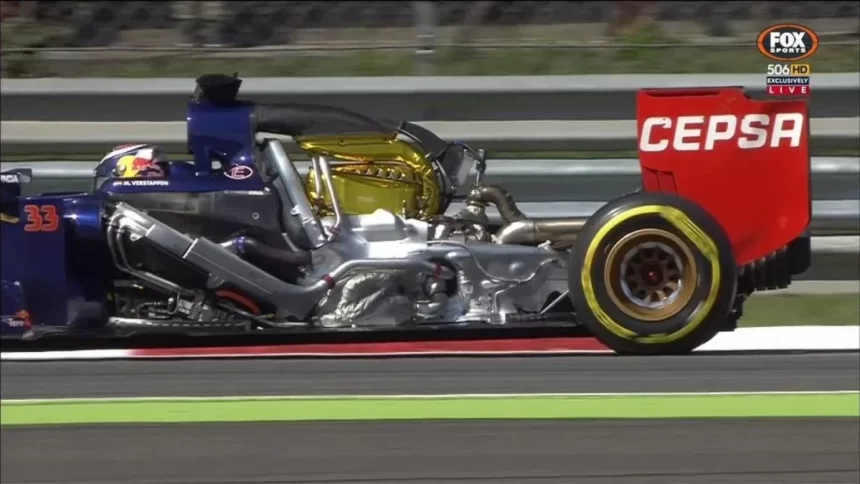
Formula 1 is all set for a revolution in 2026, and the biggest headline comes from the heart of the car, the 2026 F1 power unit. The regulations changing the powertrain promise to shake up the sport like never before, blending cutting-edge tech with a sustainable future. If F1 fans have been wondering what the next generation of Formula 1 engines will look like, this is everything they need to know, served in the same straightforward, exciting style.
2026 F1 Power Units: What’s Changing?
The 2026 F1 power units keep the iconic turbocharged 1.6-litre V6 internal combustion engine but toss out one of the most complex parts that’s been around since 2014: the MGU-H (Motor Generator Unit – Heat). It might sound technical, but basically, the MGU-H captured energy from the exhaust gases. Saying goodbye to it means simpler engines, but it doesn’t mean less power, far from it.
In fact, the MGU-K (Motor Generator Unit – Kinetic), which recovers energy when the car brakes, is getting a massive upgrade. It’s going from generating 120 kW (roughly 160 horsepower) to 350 kW (470 horsepower)! That’s almost three times the electric power, and the amount of energy recovery per lap will double to 8.5 megajoules, putting an even bigger emphasis on hybrid tech.
Power Split Revolution: Half Electric, Half Combustion
One of the most exciting figures to know is the new power split: about 50% of power will now come from the electric motor, balanced by 50% from the combustion engine. Right now, the split is around 80% combustion and 20% electric. So, the 2026 F1 power unit will be twice as electrified in terms of performance.
Don’t get me wrong, the internal combustion side is still there, but it’s dropping from around 850 horsepower to just 540 horsepower to make room for the electric muscle. The fuel powering these engines? It’s going to be fully sustainable, marking a huge step forward in Formula 1’s green ambitions.

What Does This Mean for Racing?
The simplification from removing the MGU-H is expected to reduce costs, a win for all teams, while pushing technical innovation in hybrid technology. More electric power means cars will be different on track, potentially smoother and quicker in ways we haven’t seen before.
Teams are already discussing measures to avoid battery energy running out during races, as pushing 350 kW all race long is a lot to manage. It’s a balancing act between power and endurance, promising some strategic battles we can’t wait to see.
Bigger Picture and Manufacturer Interest
These new 2026 F1 power units have lured in a record number of power unit manufacturers, including newcomers like Audi and Ford, alongside returning players such as Honda. This influx means more competition and innovation under the hood, with manufacturers eager to prove they can master this new tech era.
Read More

Chassis and aero changes are coming too, with lighter, slimmer cars complementing the 2026 F1 power unit. All aimed at making racing more exciting and sustainable.
Why Fans Should Care
If the past is anything to go by, whenever F1 changes its powertrain rules, it leads to a whole shift: new sound, new racing styles, and plenty of fresh storylines. The 2026 F1 power unit changes promise the same, more electric muscle, less complexity, and a green ethos built into the engine. In short, 2026 is shaping up to ignite a thrilling new chapter in F1 history.
Also read: Crazy F1 Stats That Don’t Make Sense