


MMA (Mixed Martial Arts) is an association of many martial arts throughout the world. In the events of these combat sports, there are so many flashy moves that have resulted in getting a match-winning knockdown as well other than the basic roundhouse, jab, cross, hook, and other strikes.
4 flashy moves used in MMA
Superman Punch

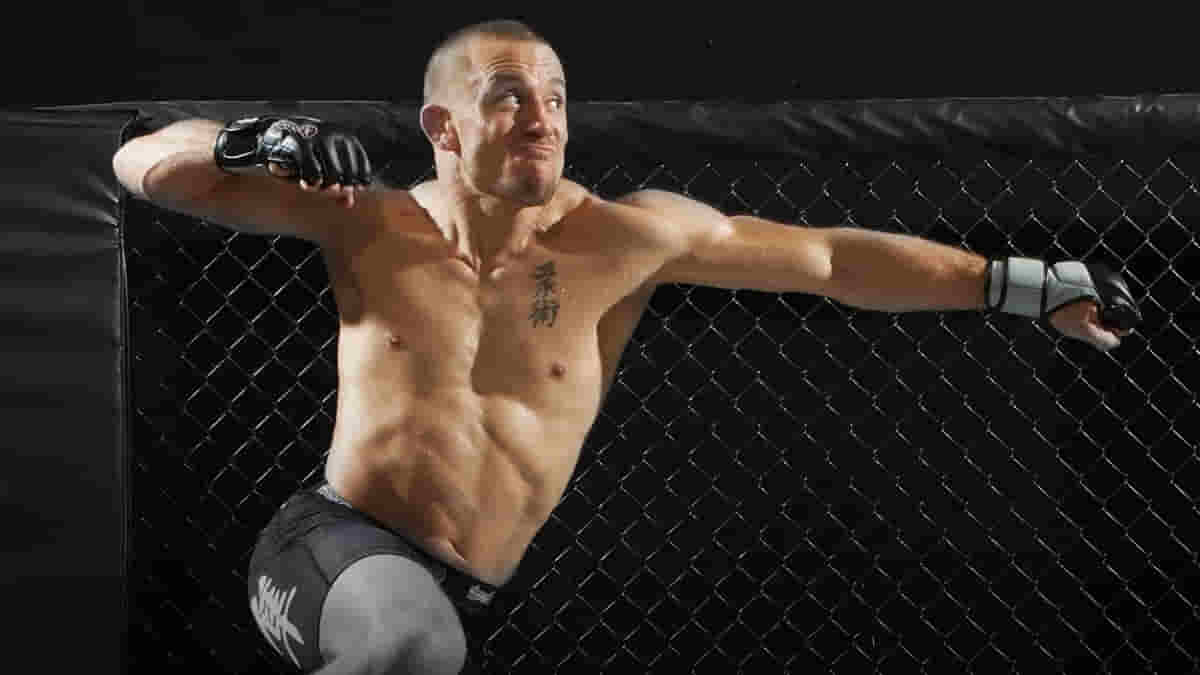
The method is to bring the back leg forward to pretend to kick, then snap the leg back while throwing a cross, and this gives more power to the punch. Superman punches are permitted in boxing provided they are done in a proper manner and aimed above the belt.
When executed well, the Superman punch is still a viable means of catching people off balance and you are still able to finish fights against them. Anthony Pettis, for instance, was one of the few people to ever knock out Stephen Thompson (one of the most technically advanced strikers in MMA history) with a variation of the Superman punch.
540 kick
Read More


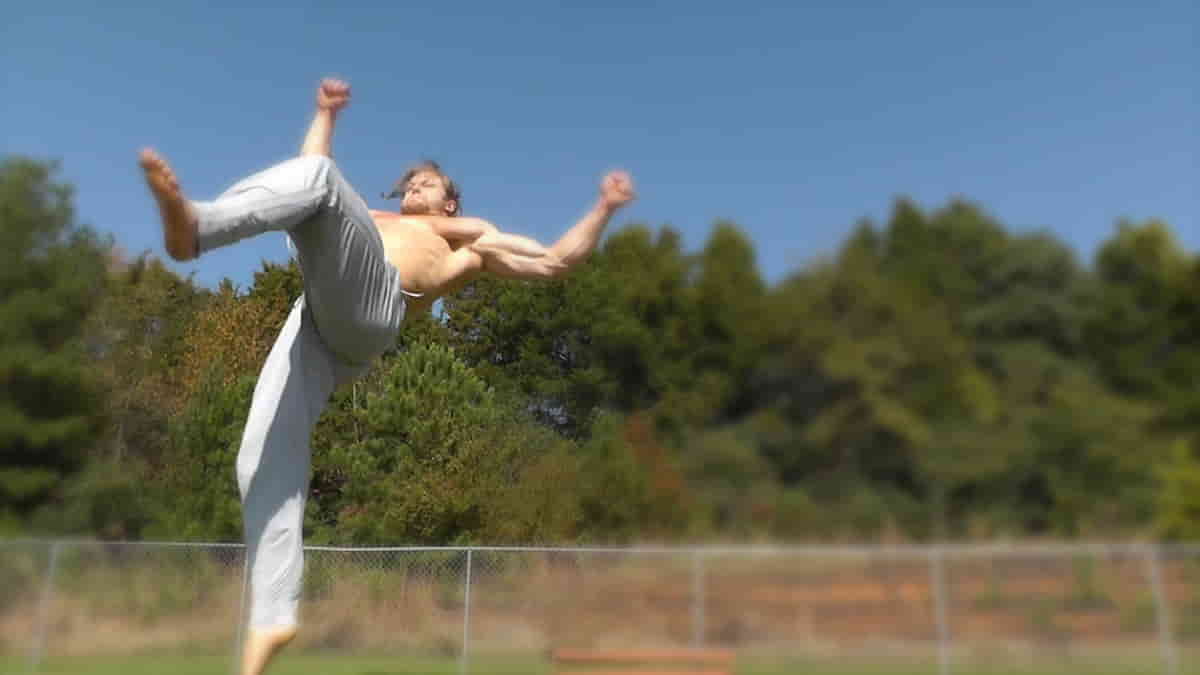
‘whirlwind kick’) (or inside turning kick, jump inside kick, and “hyper” tornado kick) is a jump-kick technique. It is a 540-degree turn (although in proper performance the performer has really only completed a 360-degree spin – not counting whatever takeoff employed).
The term “540 kick” describes an advanced dynamic movement in the sport of martial arts, more popularly recognized under disciplines such as Taekwondo, Capoeira, and Freestyle Kickboxing. It describes a spinning kick motion where 540 degrees of rotation happens in flight and the movement eventually lands impact from the foot or leg with the target.
Description Breakdown for 540 Kick:
1. Setup First:
– The practitioner starts the instance, usually with one leg weighted.
– The individual starts the spin by swinging the opposite leg around and pushing off the ground using the other leg.

2. The Spin:
– The competitor rotates 540 degrees (one and a half turns) airborne, approximately one-and-a-half times the rotation required for a complete 360-degree turn.
3. The Kick:
– As the performer finishes the spin, they bring the kicking leg out to impact with accuracy and power, usually aiming at the head or torso.
4. Landing:
– Having performed the kick, the practitioner returns to his stance, ending the technique.
540 kick is an impressive-looking and strong technique and is usually done during a demonstration or tournament. It is highly demanding on athleticism, timing, and practice.
Flying Knee
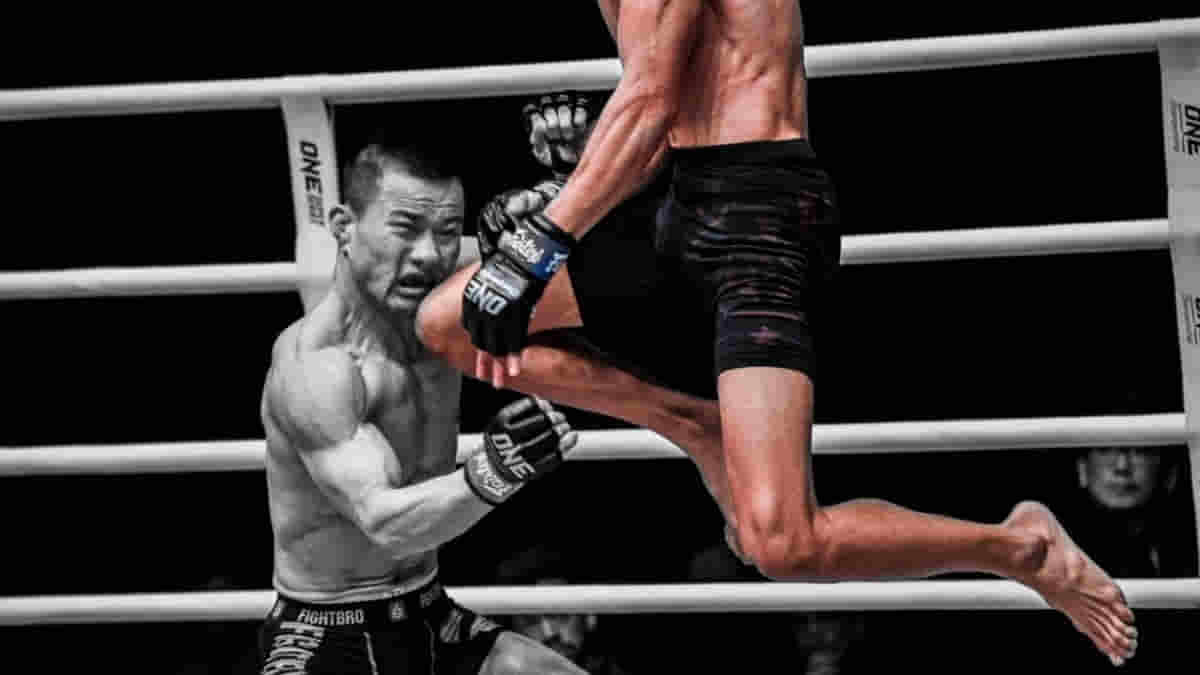
A flying knee is a dynamic and forceful strike employed in some martial arts, such as Muay Thai, Kickboxing, and MMA (Mixed Martial Arts). It is a move where a practitioner jumps or leaps toward an opponent while propelling the knee upward, mostly toward the opponent’s head, chest, or body. It is a technique that moves with speed, power, and accuracy to cause a lethal hit.

How the Flying Knee Works:
1. Approach:
– The practitioner will usually begin by closing the gap between them and their opponent. This could be done by rushing forward quickly or by feigning a move to establish the strike.
2. Jump or Leap:
– The fighter explodes off their back leg and jumps into the air, trying to bring their knee up to the opponent’s head or body.
3. Knee Strike:
– While jumping, the practitioner thrusts his knee into the target, which may be the opponent’s head, face, chest, or torso. The jump adds additional power to the knee strike.
4. Landing:
– Upon landing the flying knee, the fighter normally lands in a stable position, prepared to follow up with another technique or defend himself.
Key Elements for Success:
– Speed and Timing: In order to make the flying knee successful, it’s crucial to catch the opponent off guard and deliver the strike at the appropriate time, particularly when they are not ready or are distracted.
– Explosive Power: The jump must be fast and explosive in order to bridge the distance between the fighter and target while imparting maximum power.
– Targeting: The flying knee most often is directed at the opponent’s chin or head but can be aimed at the body if thrown within a clinch or close-distance fighting scenario.
The flying knee is a high-reward, high-risk technique since, although it may deal fatal blows, the fighter can be exposed if the opponent is capable of countering or evading the kick. When done properly, however, it can lead to knockouts and is usually a highlight in striking events.
Capoeira kick
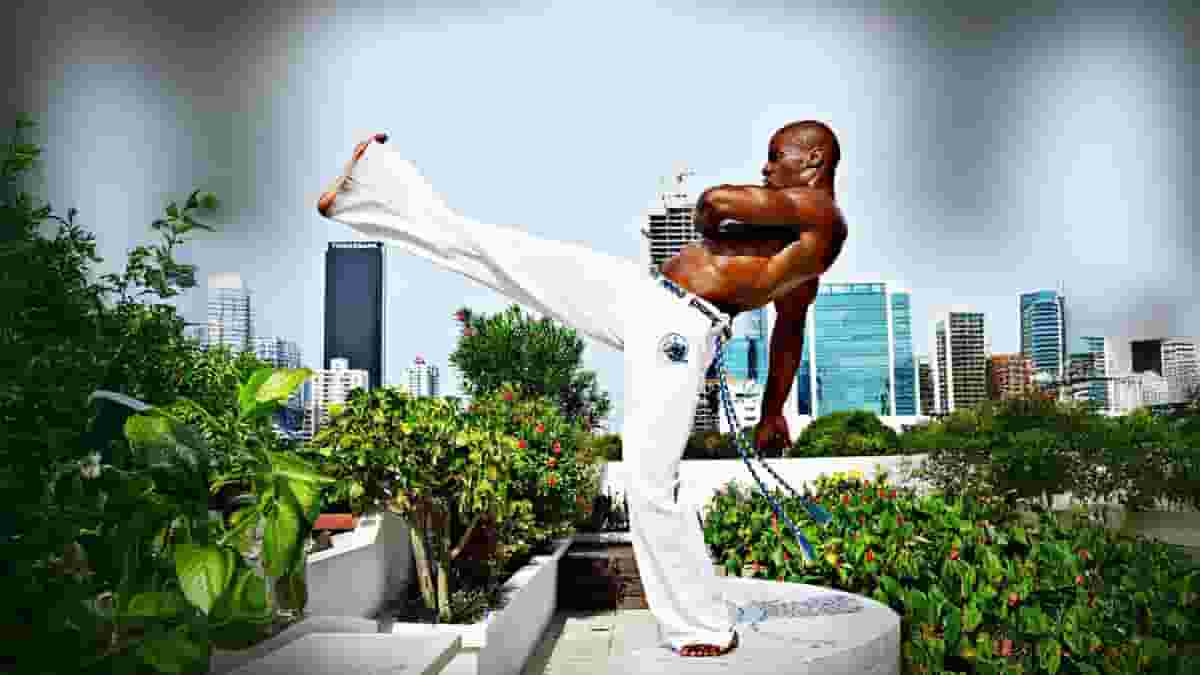
A Capoeira kick is a kicking technique of Capoeira, a Brazilian fighting art that incorporates dance, acrobatics, music, and fighting techniques. Kicks in Capoeira are fluid, innovative, and usually kicked with an emphasis on timing, accuracy, and grace. Kicks in Capoeira are created to be inaccurate and misleading, which makes them challenging to counter opponents.
Capoeira Kicks that are commonly seen:
1. Meia Lua de Frente (Half Moon Kick):
– One of the most legendary Capoeira kicks, the Meia Lua de Frente is executed by swinging the leg in a wide, crescent-shaped movement, usually toward the head or upper torso of the opponent. The kick is issued when the practitioner turns the body, utilizing the turning momentum to propel force.
– How it’s done: Begin in a Ginga (the foundation movement of Capoeira), and as you push back on one foot, swing the other leg in a large, circular motion, trying to strike the opponent.
2. Au (Capoeira Cartwheel Kick):
– The Au is actually a cartwheel, but with the difference that it utilizes the legs in order to hit while airborne. This kick can be utilized in order to distract an opponent by turning out from a defensive position and landing in a random stance.
– How it’s done: From a standing position, kick off the ground and rotate your body sideways into a cartwheel. While flipping, extend your legs to strike.
3. Bênção (Blessing Kick):
– The Bênção is a fast, sidekick-style attack frequently directed to the midsection or legs of an opponent. It is so named because it’s done quickly, almost nonchalantly, yet can catch an opponent off guard with the speed and precision behind it.
– How it’s done: Slide laterally and quickly straighten your leg to kick the side of your opponent, typically with little wind-up in order to keep speed and smoothness.
4. Queixada (Jaw Kick):
– The Queixada is a type of roundhouse kick but with a special twist in Capoeira. The kick is given while the practitioner spins his or her body and whips the leg around in a circular pattern, usually targeted at the opponent’s head or torso. It gets its name from the word “jaw” because it’s aimed at the jaw or face.
– How it’s done: From the Ginga, enter into a spin and swing your leg in a circular motion, striking with the top of the foot or shin.
5. Rabo de Arraia (Tail of the Stingray Kick):
– The Rabo de Arraia is a low sweep kick that can usually be executed at an opponent’s legs or body. It’s named “Tail of the Stingray” because of the movement, low and sweeping, like the stingray tail.
– How it’s done: Begin in a squat or low stance, and sweep your leg in a large, circular arc across the ground to the opponent’s legs or belly.
Key Features of Capoeira Kicks:
– Fluidity and Flow: Kicks in Capoeira are usually incorporated within a fluid, flowing motion, rendering them hard to anticipate and defend against. The movement from one movement to another is smooth, producing a nearly dance-like effect.
– Deception: Capoeira artists utilize feints, rhythmic motion, and quick footwork to mislead the opponent, making the kicks seem as though they are part of a non-aggressive motion, such as a dance step.
– Acrobatics: Capoeira kicks are often made up of acrobatic actions like flips, turns, or cartwheels, which not only disorient the opponent but also bring elegance and sophistication to the technique.
ALSO READ: Last Four Standing: Meet The Semi-Finalists At Qatar Open 2025