
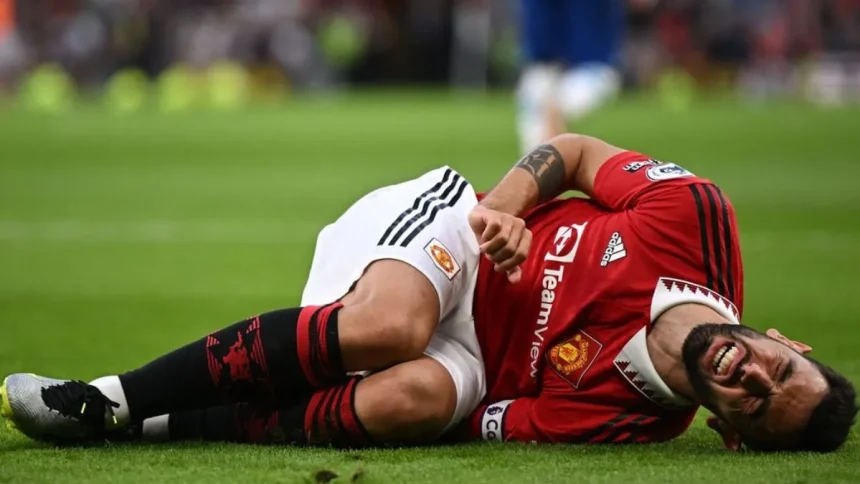
The modern rhythm of European Football has evolved into a relentless cycle where recovery is a luxury and performance is constantly under strain. With domestic leagues, continental competitions, and international breaks packed into an unforgiving calendar, players are no longer just competing against opponents but also against fatigue, time, and physical limits. The growing fixture congestion in European Football is now a defining factor shaping performances across leagues and competitions.
The Expanding Calendar in European Football
Over the last decade, European Football has seen a steady expansion in its competitive structure. Domestic leagues remain intense, while tournaments like the UEFA Champions League and Europa League have added more fixtures through format changes. Add to that domestic cup competitions and international commitments, and elite players often exceed 50 to 60 matches per season.
This overcrowded schedule leaves minimal recovery windows. Clubs competing on multiple fronts face midweek European fixtures followed by high intensity league matches on weekends. The lack of adequate rest is not just a logistical issue but a performance disruptor that affects consistency, tactical sharpness, and overall output.
Player Fatigue and Performance Decline in European Football
Fatigue has become one of the most visible consequences of fixture congestion in European Football. Players covering high distances with repeated sprints begin to show signs of physical and mental exhaustion as the season progresses. Data across top leagues indicates a decline in pressing intensity, reduced sprint frequency, and slower reaction times during congested phases.
In European Football, attacking players often lose sharpness in decision making, while defenders show lapses in concentration leading to costly errors. The cumulative load affects muscle recovery, increasing the likelihood of micro injuries that further degrade performance levels. Managers frequently rotate squads, but even that strategy struggles to maintain optimal intensity across competitions.
Injury Crisis Across European Football Competitions
One of the most alarming outcomes of fixture congestion in European Football is the rise in injuries. Soft tissue injuries such as hamstring strains, groin issues, and ligament stress have become increasingly common. Medical teams across clubs are reporting higher injury rates, particularly during periods of tight scheduling.
The issue is compounded by international tournaments and qualifiers that interrupt club seasons. Players travel long distances, switch tactical systems, and return with minimal recovery time. In European Football, this cycle creates a scenario where players are constantly at risk, impacting both club ambitions and national team performances.
Tactical Adjustments in European Football Under Pressure
Managers in European Football are being forced to rethink tactical approaches due to fixture congestion. High pressing systems, which demand intense physical output, are often modified to conserve energy. Teams are increasingly adopting controlled possession styles to reduce physical strain.
Read More

Squad rotation has become a key tactical tool in European Football, with depth playing a crucial role in sustaining performance. Younger players are integrated more frequently, while experienced players are strategically rested. However, constant changes in lineups can disrupt team chemistry and consistency, creating another layer of complexity for coaches.
The Psychological Toll in European Football
Beyond the physical strain, fixture congestion in European Football also brings a significant mental burden. Players operate under continuous pressure with little downtime, leading to burnout and reduced focus. The demand to perform at the highest level every few days leaves minimal room for mental recovery.
In European Football, the psychological aspect often goes unnoticed, yet it directly influences performance. Decision making under fatigue becomes erratic, and emotional resilience is tested in high stakes matches. Clubs are increasingly investing in sports psychology, but the structural issue of scheduling remains unresolved.
Broadcast Demands and Commercial Pressure in European Football
The commercial growth of European Football has played a major role in fixture congestion. Broadcasting rights, global audiences, and sponsorship obligations demand more matches and expanded tournaments. While this boosts revenue, it places additional strain on players and clubs.
Competitions are designed to maximize viewership, often at the expense of player welfare. In European Football, the balance between commercial success and sporting integrity is becoming harder to maintain. The calendar continues to expand, but the human limits of players remain constant.
Squad Depth and Inequality in European Football
Fixture congestion in European Football has also widened the gap between elite clubs and smaller teams. Wealthier clubs with deeper squads can rotate effectively, maintaining performance levels across competitions. Smaller clubs, however, struggle to cope with the physical demands, leading to inconsistent results.
This disparity impacts competitive balance within European Football. Teams with limited resources face a higher risk of injuries and fatigue related performance drops, making it difficult to sustain campaigns across multiple tournaments.
Also Read: Premier League Player Of The Season Nominees for 2025/26 Revealed