

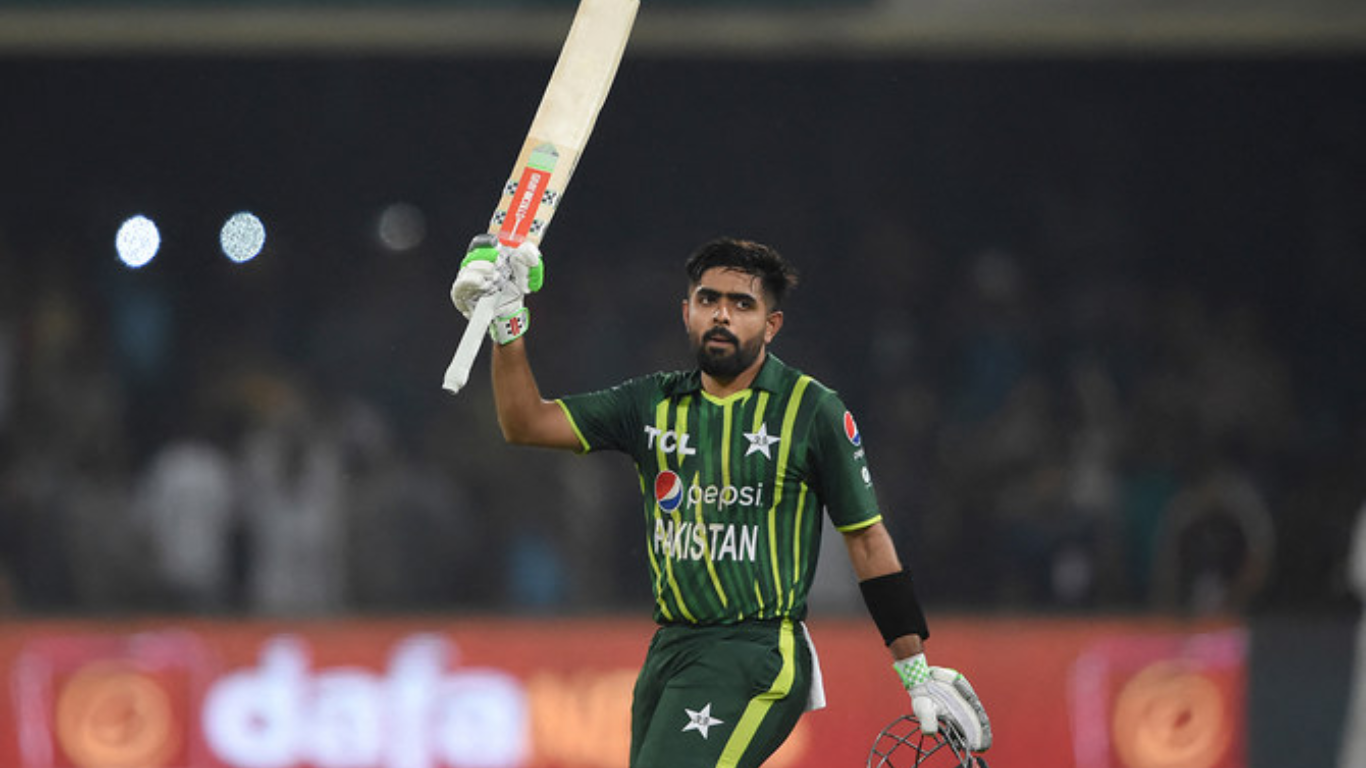
In a move that surprised few but brought a sigh of relief to many fans, the Pakistan Cricket Board (PCB) announced the reappointment of Babar Azam as captain of the national team’s white-ball formats – T20 Internationals and One-Day Internationals – on Sunday, March 31st, 2024. This decision comes just months before the highly anticipated ICC Men’s T20 World Cup 2024, scheduled to be held in United States and West Indies.
Azam, widely regarded as one of the most talented batsmen of his generation, relinquished the captaincy across all formats in December 2023 following Pakistan’s underwhelming performance at the 50-over World Cup in India, where they failed to qualify for the knockout stages.
The reins were then handed to Shaheen Shah Afridi, a young pace sensation, for a brief stint in the T20 format. However, Afridi’s leadership tenure was marred by a 4-1 series defeat to New Zealand and coincided with a poor showing in the Pakistan Super League (PSL), where his franchise finished last.
The PCB’s decision to reinstate Azam reflects their faith in his abilities as a leader, particularly in the shorter formats where his calm demeanor and tactical acumen have been lauded in the past. His exceptional batting record, boasting an average of over 50 in both T20Is and ODIs, further strengthens his case as a skipper who can inspire his teammates by example.
However, Azam’s reappointment isn’t without its critics. Some argue that the decision lacks imagination and represents a step backward. They point to the underwhelming performance under his captaincy at the 50-over World Cup as evidence that a change in leadership was necessary to spark a fresh approach
Read More


Furthermore, questions linger regarding his ability to handle both leadership and batting responsibilities effectively, especially under immense pressure. Critics also highlight the lack of grooming for alternative captaincy options, suggesting a potential over-reliance on Azam.
Despite the debate, Azam’s return undeniably brings a sense of familiarity and experience to the Pakistan team. He has a proven track record of success in the shorter formats, leading Pakistan to the number one ranking in T20Is during his previous captaincy stint. His understanding of the team’s strengths and weaknesses will be crucial in the upcoming World Cup.
Also Read:- Men’s ODI WC: Sarfaraz, Afridi, Rizwan among players to replace Babar Azam as captain: Report
Read More

However, the pressure will be immense. Azam will need to address critical concerns. Firstly, he must foster a winning mentality within the team, ensuring they learn from past mistakes and approach the World Cup with unwavering focus and determination. Secondly, he’ll need to build a strong support system around him, delegating leadership tasks and utilizing the experience of senior players effectively.
Finally, Azam must address batting form concerns. While his talent remains undeniable, a recent dip in form has raised eyebrows. Regaining his batting prowess and leading from the front with the willow will be vital in boosting team morale and inspiring his fellow batsmen.
The T20 World Cup presents a golden opportunity for Babar Azam to silence his critics and solidify his legacy as a leader. His return to the captaincy signifies a fresh start for Pakistan’s white-ball teams. Whether this translates into World Cup glory remains to be seen, but one thing is certain: Azam’s leadership will be under intense scrutiny throughout the tournament. His performance, both on and off the field, will determine whether this decision proves to be a masterstroke by the PCB or a gamble that backfires.
Despite these concerns, the PCB seems confident that Azam can guide the team to success. The upcoming months will be crucial for him to prove his doubters wrong and build a strong team spirit.
Key Challenges for Babar Azam:
- Rebuilding Confidence: Pakistan’s recent white-ball performances have been inconsistent. Azam will need to work on team morale and instill a winning mentality.
- Formulating a Cohesive Strategy: Finding the right balance between experience and youth in the squad, along with developing a winning game plan, will be critical.
- Optimizing Batting Order and Bowling Attack: Identifying the best batting combinations and utilizing the bowling resources effectively will be crucial for success.
The Road to the T20 World Cup:

Pakistan has a busy schedule leading up to the World Cup, with series against [List upcoming opponents] planned. These matches will provide valuable opportunities for Azam to experiment with combinations and assess player form.
The T20 World Cup presents a golden opportunity for Pakistan to reclaim its dominance in the shortest format. With a talented squad and a proven leader at the helm, the team has the potential to challenge for the coveted trophy.
However, the journey won’t be easy. Strong teams like India, Australia, and England will be formidable opponents. Ultimately, Babar Azam’s leadership, strategic decisions, and the team’s overall performance in the upcoming months will be the key factors determining Pakistan’s success at the World Cup.