


Selling to Survive: How Bundesliga Clubs Master the Art of Player Trading
In modern football, financial power often decides success. Leagues backed by billionaire owners and massive television deals can afford to spend freely in the transfer market. The Bundesliga operates in a different reality. While it remains one of Europe’s most respected leagues, German clubs rarely match the spending power of their richest rivals.
Instead, Bundesliga teams have built a different survival model. Player trading is not an occasional strategy but a core part of how many clubs operate. Buying smartly, developing talent, and selling at the right moment has become essential to staying competitive and financially stable.
Why Player Trading Is Central to the Bundesliga
The Bundesliga’s financial structure shapes its transfer behaviour. Fan ownership models, including the 50+1 rule, limit the influence of private investors. Clubs are expected to operate responsibly, avoiding excessive debt and unsustainable spending.
As a result, many German teams cannot rely on constant cash injections. Player sales become a key source of revenue. Instead of resisting the market, Bundesliga clubs have learned to work with it.
Selling players is not viewed as failure. It is part of the system that keeps clubs alive and competitive.

The Bundesliga as a Seller’s League
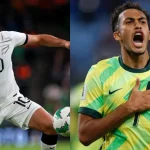
In recent transfer windows, Bundesliga clubs have consistently generated large revenues from outgoing transfers. The league often records a positive transfer balance, meaning it sells more value than it buys.
This has positioned the Bundesliga as one of Europe’s most important supplier leagues. Top talents are developed in Germany before moving to financially stronger competitions, particularly the Premier League.
Rather than weakening the league entirely, this cycle has become predictable and manageable. Clubs plan for sales in advance and structure squads accordingly.

Buy Low, Develop Smart, Sell High
The foundation of successful player trading lies in recruitment. Bundesliga clubs place strong emphasis on scouting undervalued talent, both domestically and internationally.
Young players are identified early, often before they reach peak market value. They are then given real playing time at senior level, accelerating development and visibility.
By the time bigger clubs show interest, Bundesliga teams are negotiating from a position of strength. The player has proven value, and the selling club has already benefited on the pitch.
Development as a Financial Asset
Player development is treated as a financial asset in German football. Academies, coaching staff, and sports science departments are viewed as long-term investments.
Clubs understand that development increases resale value. Minutes on the pitch, tactical education, and exposure in European competitions all contribute to market appeal.
This approach aligns sporting ambition with financial planning. Success on the field and success in the transfer market are closely linked.

Clubs That Have Mastered the Model
Several Bundesliga clubs are widely recognised for their trading efficiency. They consistently identify talent, improve it, and sell at the right time.
RB Leipzig have generated significant profits through this model, using data-driven scouting and clear development pathways. Borussia Dortmund have long been associated with nurturing young stars and selling them for major fees.
Eintracht Frankfurt and Bayer Leverkusen have also benefited from smart recruitment and timely sales, reinvesting profits into squad renewal.
These clubs accept that player turnover is part of their identity.
Small and Mid-Table Clubs Play the Same Game
Player trading is not limited to elite Bundesliga teams. Smaller clubs also rely heavily on this approach.
Teams like Mainz, Freiburg, and Union Berlin operate with limited budgets but strong scouting networks. For them, a single successful sale can fund multiple seasons of stability.
This creates a culture where every signing is evaluated not only for performance but also for future value.
Timing Is Everything
One of the most important aspects of player trading is timing. Bundesliga clubs often sell at peak value rather than holding on too long.
This discipline prevents situations where players leave for reduced fees or on free transfers. While fans may be disappointed to see key players depart, clubs prioritise long-term health.
Selling at the right moment allows teams to reinvest efficiently and avoid financial risk.
Reinvestment Over Replacement
Unlike wealthier leagues, Bundesliga clubs rarely replace departing stars with equally expensive signings. Instead, they reinvest across multiple positions.
Funds from one major sale might be used to sign several younger players, strengthening depth and spreading risk. This keeps wage bills under control and ensures flexibility.
The goal is sustainability rather than short-term glory.
The Premier League Effect
The rise of the Premier League’s financial power has intensified this model. English clubs can often outbid German teams for wages and transfer fees.
Rather than compete directly, Bundesliga clubs have adapted. They position themselves as development platforms, knowing that successful players will eventually attract interest.
This relationship has turned the Bundesliga into a critical part of the global transfer ecosystem.
Sporting Consequences of Selling Stars
Selling key players inevitably affects performance. Bundesliga clubs frequently have to rebuild squads, sometimes losing momentum in the process.
However, regular squad renewal also brings benefits. New players arrive hungry and motivated. Coaches adapt systems, and competition for places increases.
While consistency can be challenging, the league remains dynamic and unpredictable beyond the very top.
Fan Perspective and Acceptance
For supporters, constant selling can be frustrating. Emotional attachment to players often clashes with economic reality.
Over time, however, many fans have accepted the model. Transparency from clubs and clear long-term planning help build trust.
Supporters understand that selling well can secure the club’s future rather than endanger it.
Competitive Balance Within the League
Player trading contributes to competitive balance within the Bundesliga. No club outside the very top can dominate the market indefinitely.
As players move on, opportunities open for others. This circulation of talent prevents stagnation and allows new stories to emerge each season.
While financial gaps still exist, smart trading reduces extreme disparities.
European Ambitions and Limitations
In European competitions, the Bundesliga’s model presents challenges. Frequent player turnover can make sustained continental success difficult.
At the same time, clubs that sell well often reach Europe in the first place. Without trading profits, competing at that level would be harder.
The balance between ambition and sustainability remains delicate.
A Model Shaped by Necessity
The Bundesliga did not choose this model out of preference alone. It evolved out of necessity.
Ownership structures, financial regulation, and market realities pushed clubs toward self-reliance. Over time, they refined the approach into a strength.
Today, German clubs are among the most respected talent developers in world football.
Is the Model Sustainable Long-Term?
As transfer fees continue to rise, the Bundesliga’s seller model remains viable. Demand for young, developed talent is stronger than ever.
However, competition for prospects is increasing. Bundesliga clubs must continue to innovate in scouting and development to stay ahead.
Adaptation will be key to maintaining this advantage.
Selling players is not a weakness in the Bundesliga. It is a survival strategy that has been mastered through experience, discipline, and planning.
By buying smart, developing well, and selling at the right time, German clubs have created a sustainable pathway in an unequal football economy. The model may limit spending power, but it protects stability.
In a sport increasingly driven by money, the Bundesliga’s player trading system shows that smart strategy can still compete with wealth.
Also Read- Max Verstappen Signs Multi Year Mercedes Deal? Find Out