


Chelsea vs Arsenal Match Report
Chelsea and Arsenal produced another dramatic London derby, ending in a 1-1 draw in a match filled with intensity, controversy, and high emotion. Arsenal would have taken a point before kick-off, especially after finding out that William Saliba was ruled out through an injury in training. Yet once Chelsea were reduced to 10 men, the expectations changed, and Arsenal pushed for all three points. In the end, both teams walked away with a result that reflected the battle on the pitch.
The match was full of physical duels, tough tackles, big refereeing decisions, and moments that shifted momentum rapidly. Chelsea showed tremendous spirit despite the red card, while Arsenal reacted strongly in the second half. It was a match that highlighted the competitiveness of the Premier League and the fierce rivalry between the two clubs.
Early Physical Battles Set the Tone
The opening stages of the match made it clear that this derby would be intense from start to finish. Players on both sides showed aggression and determination in almost every duel. Marc Cucurella’s challenge on Bukayo Saka, along with Moisés Caicedo knocking over Jurriën Timber, immediately added edge to the game.
Arsenal also felt the heat early. Martín Zubimendi received the first yellow card for a foul on Reece James. With Gabriel Magalhães unavailable, Arsenal started with Cristhian Mosquera and Piero Hincapié in central defence. Both defenders were booked before halftime, and left-back Riccardo Calafiori also entered the referee’s book. The pressure from Chelsea’s attack forced Arsenal’s back line into risky challenges.
The game was not short of flashpoints. Just before halftime, Enzo Fernández appeared to swing an arm at Mosquera, adding to the tension between the teams as they headed into the break.
Read More


Chelsea Reduced to Ten Men Before Halftime
The biggest moment of the first half came in the 38th minute. Moisés Caicedo flew into a dangerous tackle on Arsenal’s Mikel Merino. The challenge looked bad in real-time and even worse in replays. The referee, Anthony Taylor, initially showed a yellow card. However, after being advised by VAR to review the tackle, Taylor upgraded the yellow to a straight red card.
The tackle was high, reckless, and carried excessive force. Chelsea had no complaints when the decision was confirmed. It was their sixth red card of the season in all competitions. The sending-off shifted the momentum and placed the pressure firmly on Arsenal to take advantage.
Despite being a man down, Chelsea remained organised. Their early intensity may have played a part in Caicedo’s rash decision, but the team’s collective spirit did not fade after the dismissal.

Chelsea Take the Lead Through Trevoh Chalobah
Chelsea started the second half with surprising energy and purpose. Reece James, who delivered a standout performance, led from the front as he pushed his team forward.
Just moments into the restart, João Pedro forced David Raya into a save from a James free-kick, leading to a corner. From that corner, Chelsea found the breakthrough. James curled in the delivery, and Trevoh Chalobah rose above Declan Rice to guide a looping header into the far corner.
The goal sparked huge celebrations inside the stadium. Despite being down to 10 men, Chelsea showed determination and bravery. Their intensity, which had been visible from the opening whistle, returned with even more force after the red card.
James played a key role throughout. His passing, work rate, and leadership made him one of the best players on the pitch. Even with the numerical disadvantage, Chelsea refused to sit back. Manager Enzo Maresca kept two wingers and a striker on the pitch, signalling clear intent to continue attacking.
Arsenal Fight Back and Find the Equaliser
Arsenal had found it difficult to take control even with the extra man, but they eventually responded. Mikel Arteta made several changes to shift the momentum. He introduced Martin Ødegaard and former Chelsea winger Noni Madueke to bring more creativity and energy into the attack. Viktor Gyökeres also came on to strengthen the forward line.
Declan Rice dropped deeper to help build play, and Arsenal finally began to dominate possession and territory. Bukayo Saka provided the moment Arsenal needed. Running at Cucurella, Saka checked inside and delivered a perfect cross to the far post. Mikel Merino rose above his marker and powered in the equaliser.
Read More
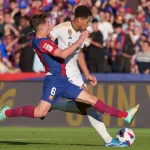
The goal was a result of Merino’s persistence throughout the match. He had taken several hits, fought through challenges, and continued to push forward. His determination paid off with a crucial goal that brought Arsenal level.
After scoring, Arsenal increased the pressure. Merino almost won it late when he took a shot inside the box, forcing Robert Sánchez into an excellent save. The Chelsea goalkeeper reacted quickly to block Gyökeres’ rebound effort, preventing a dramatic late winner.
Late Drama and A Missed Arsenal Opportunity
Arsenal nearly snatched victory in stoppage time when Jurriën Timber looked ready to guide a high ball towards Gyökeres. However, Timber unintentionally took it away from his teammate, preventing a clear chance. It was a missed opportunity that might have given Arsenal all three points.
Despite their strong second-half push, Arsenal were not at their best for long stretches of the match. They struggled to make the extra man count until later stages. The game remained evenly balanced because Chelsea fought with tremendous spirit, even after the red card.
A Fair Result After a Fierce Battle
The match finished 1-1, and both sides could claim reasons to be satisfied. Arsenal maintained their lead at the top of the Premier League, though they fell short of restoring a seven-point advantage. Chelsea, dealing with the setback of a red card once again this season, showed resilience and organisation.
Manager Enzo Maresca believed that Hincapié should have been sent off for catching Chalobah with an elbow in the first half. Arteta, on the other hand, felt Chelsea deliberately targeted players who were already on yellow cards. The controversial decisions added to the drama around the match.
For the referee Anthony Taylor, it was another challenging day. Both sets of supporters expressed frustration with him at various moments, and the intensity of the match made his job even more difficult.
Chelsea’s Performance Shows Character
Chelsea started the match with confidence and showed strong attacking energy. Estêvão Willian had a big chance early on after a mistake from Mosquera, but he fired high from close range. João Pedro also hesitated on a shooting opportunity later in the half.
Even after Caicedo’s red card, the team kept their structure and continued to threaten. James was a driving force in midfield, providing energy, leadership, and high-quality passing. The defensive unit stood firm against Arsenal’s late pressure, and Sánchez made crucial saves.
The draw felt like a deserved reward for their spirit and teamwork. Chelsea showed they can compete even under difficult circumstances.
Arsenal Leave With a Point But Miss Chance to Pull Away
Arsenal entered the match knowing they were missing key defenders. With Saliba and Gabriel unavailable, the back line looked unsettled. Early yellow cards limited their defensive aggression and allowed Chelsea to apply more pressure.
Arsenal improved after the break, especially with the introduction of Ødegaard and Madueke. Merino’s goal gave them belief, and they created enough late chances to possibly win the match. But they lacked the final touch needed to complete the comeback.
Despite not being at their best, Arsenal leave with a point that keeps them strong in the title race.
FAQs
Q1. What was the final score of Chelsea vs Arsenal?
A. The match ended in a 1-1 draw.
Q2. Who scored for Chelsea?
A. Trevoh Chalobah scored with a looping header early in the second half.
Q3. Who scored for Arsenal?
A. Mikel Merino scored the equaliser in the second half.
Q4. Why was Moisés Caicedo sent off?
A. He received a red card for a dangerous tackle on Mikel Merino after VAR advised the referee to review the incident.
Q5. What were the key turning points in the match?
A. Caicedo’s red card, Chalobah’s goal, and Merino’s equaliser were the major moments that shaped the game.
Also Read- Real Madrid Vs Girona Match Report: Mbappé Scores As Los Blancos Drop More Points