


In an age where Chess in the Spotlight is no longer just a catchy phrase but a lived reality, the ancient game is reinventing itself before our eyes. The evolution from quiet tournament halls to electrifying livestreams, social media buzz, and global celebrity status has transformed chess into one of the most fascinating strategic spectacles in modern sport. From veteran grandmasters adjusting their career paths to young streamers shaping audience expectations, this piece explores how chess players adapt their strategy not just on the board, but off it too, extending competitive longevity while capturing the imagination of millions across generations.
- From Silent Boards to Digital Showdowns: The Chess in the Spotlight Revolution
- Streaming Stars and Strategic Shifts: Reinventing Player Careers
- Longevity through Diversification: Beyond Classical Competition
- Interactive Audiences and Real-Time Strategy: Chess without Borders
- Fan Culture and Social Media: Making the Players Part of the Story
- Tournament Formats and Strategic Entertainment
- AI, Analysis, and Adaptive Play: Strategy Evolving with Technology
From Silent Boards to Digital Showdowns: The Chess in the Spotlight Revolution
The landscape of competitive chess has shifted dramatically over the past decade. Chess was once viewed primarily as an intellectual pursuit, dominated by World Championships, Elo calculations, and deep theoretical battles. Today, Chess in the Spotlight means blending peak performance with digital charisma.
Platforms like Twitch and YouTube have turned grandmasters and international masters into household names, exposing their personalities alongside their strategic brilliance. This transformation has helped chess break out of its niche circle and into mainstream culture, becoming a fixture of interactive entertainment and global conversation.
Streaming Stars and Strategic Shifts: Reinventing Player Careers
One of the most visible outcomes of Chess in the Spotlight is how players are reshaping their professional careers. Icons of the game like Hikaru Nakamura have embraced streaming with extraordinary results. Nakamura’s Twitch presence, often engaging, humorous, and unorthodox, has amassed millions of followers, drawing viewers both for high-level play and for the personality behind the pieces.
Similarly, content creators like Levy “GothamChess” Rozman turned full-time streaming into a viable career, teaching openings, providing commentary, and building communities that extend far beyond traditional chess audiences. These hybrid careers, part professional player, part entertainer, illustrate how Chess in the Spotlight now operates at the intersection of sport, media, and education.
Read More
Longevity through Diversification: Beyond Classical Competition
Chess careers are often longer than those in physically demanding sports because the game relies on mental acuity rather than physical endurance. But longevity today isn’t solely about competitive achievements: it’s about diversifying presence and relevance. Many top players now explore commentary roles, academy development, and collaborative content creation.
Rather than retiring quietly after peak competitive years, players extend their influence through digital platforms, coaching, and brand partnerships. This approach ensures that Chess in the Spotlight remains a compelling lifestyle and profession well beyond the traditional tournament timeline.
Interactive Audiences and Real-Time Strategy: Chess without Borders
The audience itself is reshaping the very nature of seeing chess “live.” Once the domain of niche broadcast feeds, chess is now interactive and communal. Viewers participate through real-time chat, lively polls, and predictive features that enhance engagement on streaming platforms. This level of interactivity lets players and content creators tailor their shows to what spectators want, blending analysis, humor, and education into each broadcast. In this world of Chess in the Spotlight, spectators become part of the narrative, making every move a shared experience rather than a solitary observation.
Read More
Fan Culture and Social Media: Making the Players Part of the Story
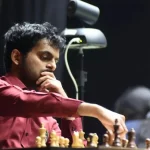
A critical aspect of the Chess in the Spotlight era is the relationship between players and fans. Today’s chess professionals understand that visibility, from fan meetups and interactive Q&As to social media storytelling, plays a central role in their public appeal. Events like the Global Chess League have amplified this shift, requiring players to engage not just through moves on a board, but through interviews, fan interaction, and live commentary that brings narratives to life. Social media platforms like TikTok and Twitter are also harnessed to share rapid insights, highlight clips, and strategic breakdowns that resonate with both novice and seasoned fans.
Tournament Formats and Strategic Entertainment
The broader cultural spotlight has also ignited discussions around how chess is presented to audiences. As Chess in the Spotlight continues to evolve, discussions around shorter time controls, accessible commentary, and spectator-friendly broadcasts have gained momentum.
While classical chess remains the benchmark for elite competition, rapid and blitz formats, often more suited to dynamic commentary and viewer engagement, are increasingly embraced as part of a modern chess ecosystem. The aim is not to dilute the game’s depth, but to make its rich strategic tapestry accessible to a broader, entertainment-driven audience.
AI, Analysis, and Adaptive Play: Strategy Evolving with Technology
Technology has also become an intrinsic part of adapting strategy in the Chess in the Spotlight era. From advanced engines that influence opening theory to interactive analysis tools that help players refine performance, the integration of AI has changed how career strategy evolves over time. Young players now routinely incorporate cutting-edge preparation tools, propelling deeper understanding and innovation. This has led to a new kind of strategic longevity, one where adaptability and technological fluency are as important as raw tactical skill.
Also Read: Prague Chess Festival 2026: World Champion Gukesh vs Hans Niemann, Who Won ?