

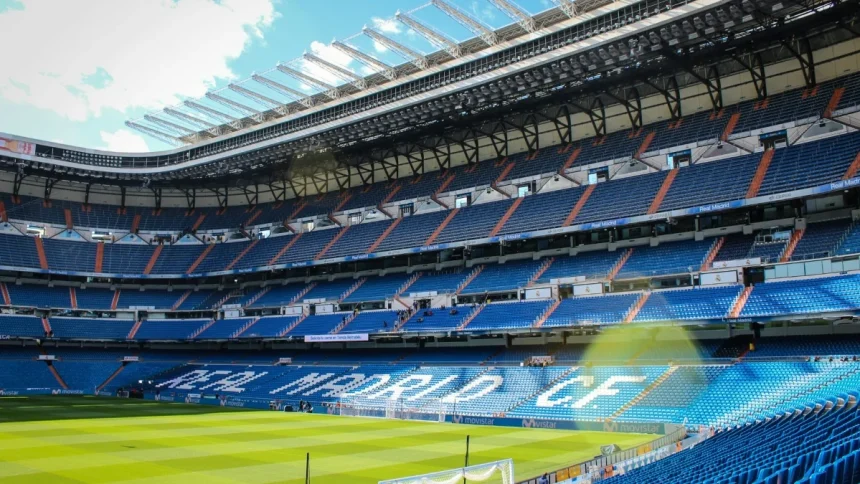
Football Stadiums That Turned Into Tourist Hotspots have become more than just venues for matches; they are landmarks celebrating history, culture, and the passion of fans. Iconic grounds like Old Trafford in Manchester, Anfield in Liverpool, and Santiago Bernabéu in Madrid attract thousands of visitors every year who want to experience the atmosphere, see legendary stands, and learn about the clubs’ rich legacies.
These stadiums host not only domestic and international matches but also museum tours, fan experiences, and special events, making them must-visit destinations for football lovers and tourists alike, blending sport, heritage, and entertainment.
Wembley Stadium:
Wembley Stadium in London, England, is one of the most famous football stadiums in the world. It was officially opened in 2007, replacing the old Wembley Stadium. The stadium has a seating capacity of about 90,000 people, making it the largest stadium in the UK.

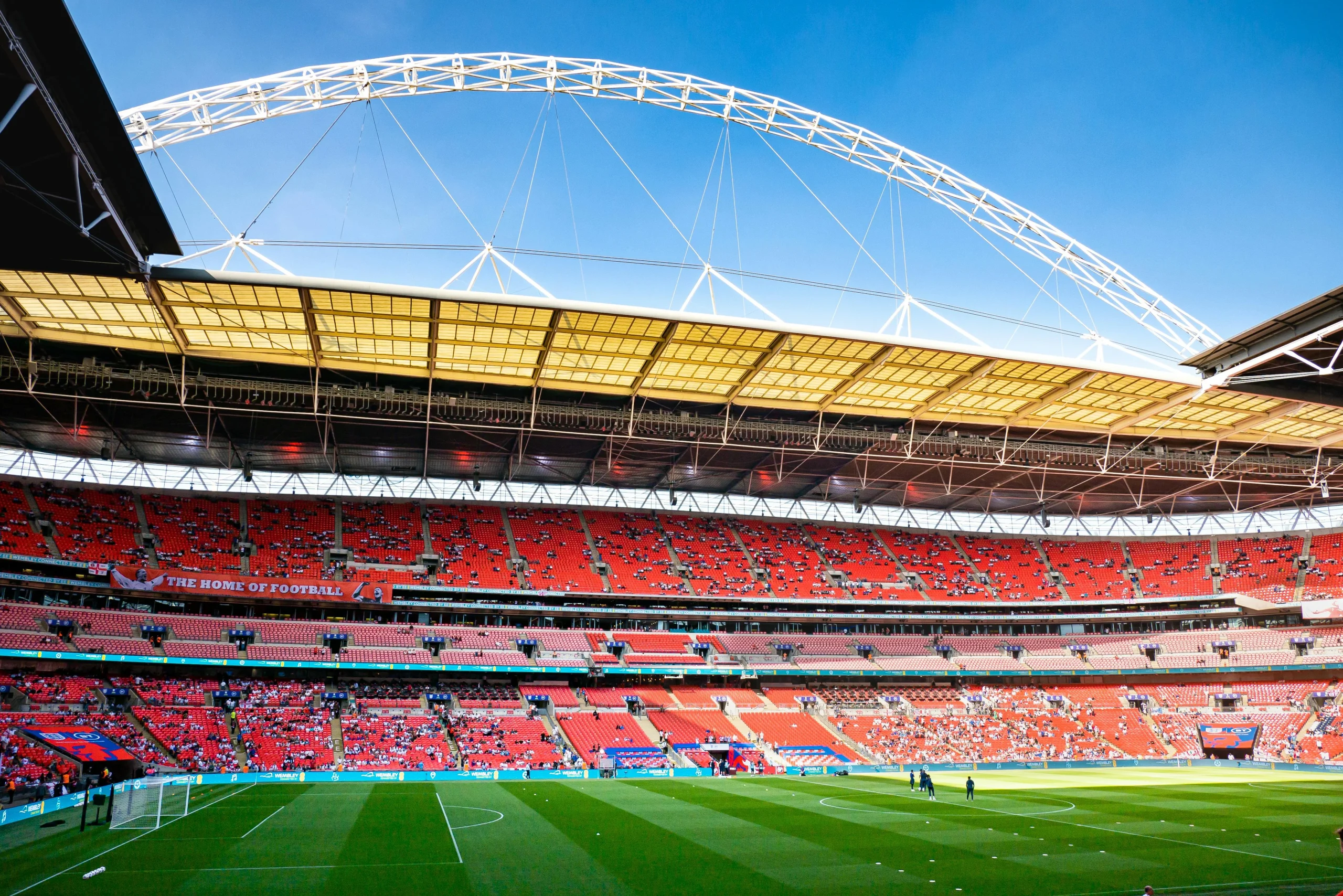
Wembley has hosted major events like the FA Cup finals, England national team matches, UEFA Champions League finals, Euro 2020 final, and football matches during the 2012 Olympics.
Camp Nou:
Camp Nou in Barcelona, Spain, is one of the most famous football stadiums and a top tourist attraction. It opened on 24 September 1957 and is home to FC Barcelona. The stadium can hold about 99,354 people, making it the largest in Europe.
Read More



Many fans visit to see where legends like Lionel Messi, Xavi, Andres Iniesta, Ronaldinho, and Carles Puyol have played. Camp Nou also hosts big matches, including local derbies and European finals, and has a museum that draws visitors from around the world.
Santiago Bernabéu Stadium:
Santiago Bernabéu Stadium in Madrid, Spain, is one of the most famous football stadiums in the world. It was built between 1944 and 1947 and opened on 14 December 1947, originally called Nuevo Chamartín. In 1955, it was renamed in honour of Real Madrid’s legendary president, Santiago Bernabéu, who helped build and grow the club.


The stadium currently holds about 83,186 spectators and has hosted major finals, including several European Cup/Champions League finals and matches in the 1982 World Cup. It is home to Real Madrid and one of the top tourist attractions in football.

Anfield Stadium:
Anfield Stadium in Liverpool, England, is one of the most iconic football stadiums in the world. Built in 1884, it was first home to Everton before Liverpool Football Club took residence in 1892.


The stadium holds about 61,276 spectators and has undergone several renovations. With four main stands, including the Spion Kop and the Sir Kenny Dalglish Stand, and statues of legendary managers Bill Shankly and Bob Paisley, it is a major tourist attraction known for its history, passionate fans, and unforgettable matchday atmosphere.
Old Trafford Stadium:
Old Trafford Stadium in Manchester, England, is one of the most famous football stadiums in the world. It was built starting in 1909 and opened on 19 February 1910, designed by architect Archibald Leitch, and became the home of Manchester United, which has played there ever since.


The stadium currently holds about 74,197 spectators and has undergone many renovations, including after wartime damage and major expansions in the 1990s and 2000s. Nicknamed “The Theatre of Dreams,” it has hosted FA Cup finals, England internationals, matches at the 1966 World Cup, Euro 1996, the 2012 Olympics, and the 2003 Champions League final, making it a top tourist attraction for football fans worldwide.
ALSO READ: Top 5 Olympic Combat Sports Powerhouses