

Often hailed as one of the most popular and prominent single-seater motorsport racing in the world, F1, also popularly referred to as ‘Formula One’, is religiously followed by millions of racing aficionados from all over the world. The global car-racing championship sanctioned by the FIA (Fédération Internationale de l’Automobile) started in 1950 with Italy’s Giuseppe “Nino” Farina being the maiden champion.
Although Formula One has often been referred to as one of the most elite racing championships by the fans, its history has been plagued by a couple of tragic incidents that have tarnished the image of the championship and has made the authorities of the championship prioritize the protection of their drivers under all circumstances.
In this article we will take a look at the shocking details about the top four incidents that made F1 protect its drivers.
Safety Written in Blood: How F1 Learned to Protect Its Drivers
-
Ayrton Senna’s Fatal Crash – San Marino GP, 1994
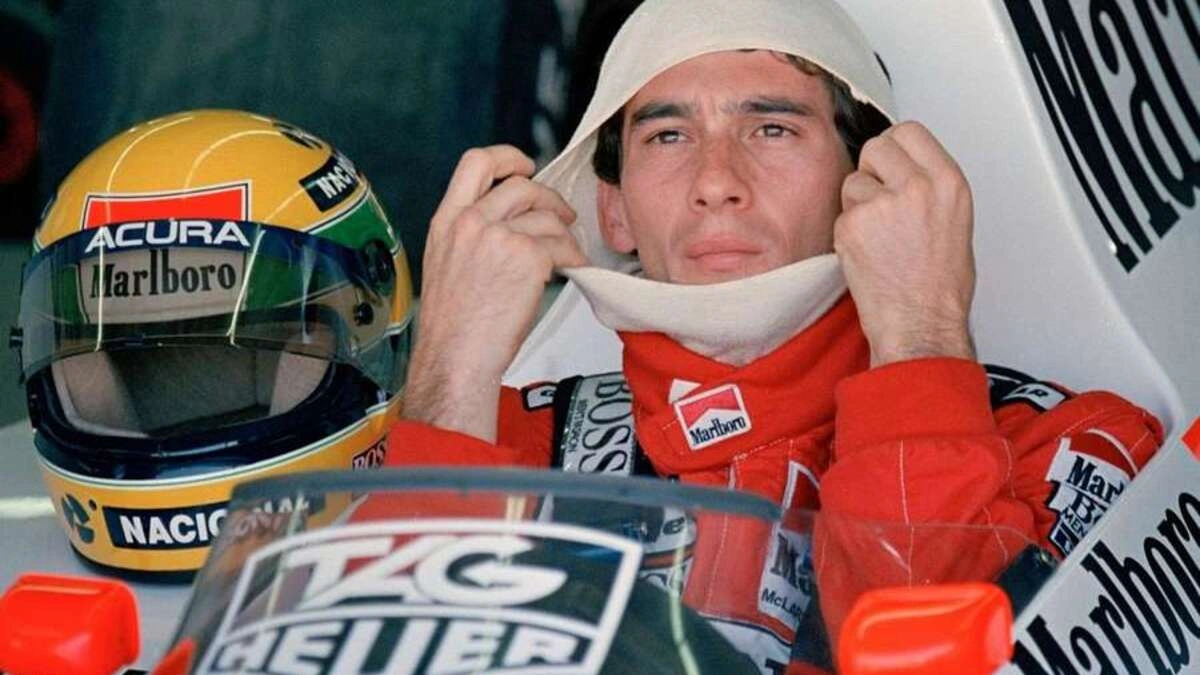

The legendary Brazilian racing driver Ayrton Senna da Silva’s fatal crash on 1 May 1994 at the San Marino Grand Prix is at the first spot in our list of the top four incidents that made F1 go the extra mile to protect their drivers. The three-time Formula One World Champion Ayrton Senna started from pole position driving for Williams-Renault. Everything seemed to be on track until Ayrton Senna approached the Tamburello corner on lap 7 and his car suddenly ran straight off the track at approximately 310 km/h, slamming into a concrete wall.


The crash was considered catastrophic by the fans who witnessed it and Ayrton suffered multiple fatal head injuries including severe skull fractures and brain trauma. Although multiple attempts were made to save the Brazilian racing sensation after being airlifted to Maggiore Hospital in Bologna, he passed away at the age of thirty-four. Formula One made numerous changes after the tragic incident to ensure the safety of players, including stronger crash structures, improved helmets and introduction of the HANS (Head and Neck Support) device.
-
Niki Lauda’s Fireball Crash – German GP, 1976

At the second spot in our list of the top four incidents that made F1 protect its drivers, we have the tragic accident of the legendary Australian racing driver Niki Lauda at the 1976 German Grand Prix, which was held at the Nürburgring Nordschleife. The reigning 1975 World Champion Niki Lauda started the race driving for Ferrari and on lap 2, at the fast Bergwerk corner, Lauda’s Ferrari 312T2 suddenly snapped out of control at approximately 240 km/h, which made the car derail off the track and hit an embankment.

Moreover, Niki Laura’s Ferrari was also shockingly hit by Brett Lunger’s Surtees, causing the fuel tank to rupture which made the car erupt into a fireball. Niki Lauda suffered major burns all over his face and lung damage before he was reduced by his fellow teammates. F1 took its lesson from the tragic accident and introduced fire-resistant racing suits and gloves for the drivers.
-
Jules Bianchi’s Fatal Accident – Japanese GP, 2014

Next, at the third spot in our list of the top four incidents that made F1 go the extra mile to protect their drivers, we have one of the most unfortunate events in the history of the Formula One Championship — the fatal accident of the French racing driver Jules Bianchi at the 2014 Japanese Grand Prix. The race took place during the rain caused by Typhoon Phanfone, which caused extremely poor visibility. On lap 42, the Sauber driver Adrian Sutil aquaplaned off at Turn 7 and his car stopped near the barriers.
As protocol, double yellow flags were shown, requiring the fellow drivers to slow down once they reached the accident spot. When Jules Bianchi reached the corner, he failed to control the speed of his car and lost control of the wheels, causing his car to crash at approximately 213 km/h. The crash was extremely brutal. The car went under the recovery tractor and Jules Bianchi suffered a major axonal brain injury. The French racing sensation succumbed to his injuries on 17 July 2015. After the horrific accident, F1 introduced Virtual Safety Car (VSC) and stricter rules for speed limits under double yellow flags.
-
Romain Grosjean’s Fiery Crash – Bahrain GP, 2020

Finally, at the fourth spot in our list of the top four incidents that made F1 protect its drivers, we have the tragic crash of French-Swiss former racing sensation Romain Grosjean at the 2020 Bahrain Grand Prix. Grosjean started 19th on the grid at the Bahrain International Circuit. On lap 1, turn 3, Romains’ Haas VF-20 slammed into the Armco barrier at a shallow angle which caused major damage to the car, splitting it into two halves.

Shockingly, the impact of the crash was so massive that it ruptured the fuel tank of the car, which turned the car into a massive fireball. Romain was trapped inside the burning car for 28 seconds. Although the protective gear and prompt action from the rescue teams saved Romain’s life, the whole fraught accident turned into a lesson for F1, and it improved the fuel system and upgraded the fire-resistant gear.