



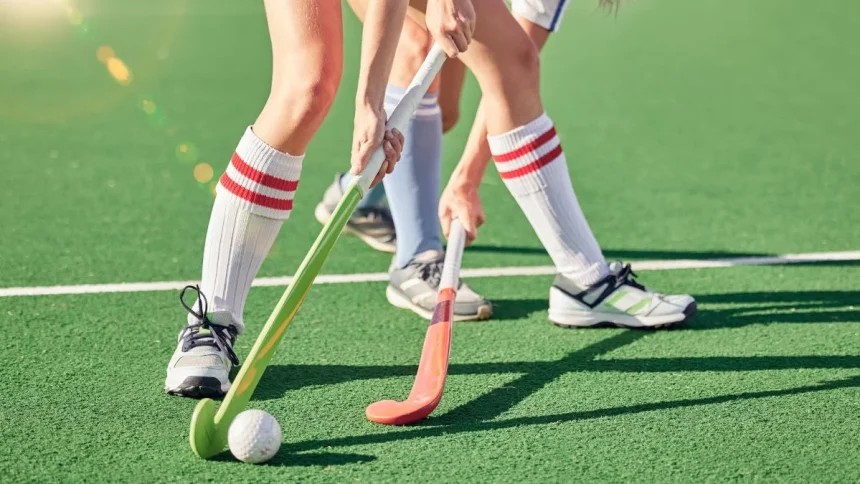
Professional hockey is one of the fastest and most physically demanding sports in the world. It is not only about scoring goals or showing skills on the field
- What Does a Professional Hockey Player Do?
- Eligibility Criteria
- Learn the Basics of Hockey
- Join a Hockey Academy or Club
- Play Competitive Tournaments
- Focus on Fitness and Conditioning
- Develop Mental Toughness
- Learn Game Tactics and Strategy
- Gain Exposure Through National Camps
- Build a Professional Portfolio
- Tips for Long-Term Success
A professional hockey player must maintain fitness, understand tactics, work as part of a team, and perform consistently under pressure.
From local tournaments to international competitions, the journey to becoming a professional hockey player requires years of discipline, training, and dedication.
For young athletes dreaming of playing at the highest level, here is a simple guide to understanding the process.
What Does a Professional Hockey Player Do?
A professional hockey player represents a club, state, or country in competitive matches and tournaments.

Players have to commit themselves to regular training, stay in shape, enhance their skill sets and learn team strategies; this will assist them in developing solid working relationships with coaches, trainers, and teammates to help all improve.
In addition to playing games, professional players usually participate in practice sessions, fitness drills, recovery programs, or team meetings, and may even be required to attend media or promotional engagements.
Players also have to be mentally ready to meet the game challenges presented by quick decision-making and staying focused throughout the match.

Eligibility Criteria
Anyone interested in becoming a professional hockey player should first meet some basic requirements.
- Strong physical fitness and stamina
- Good speed, agility, and coordination
- Basic understanding of hockey rules and positions
- Ability to work in a team environment
- Mental toughness and discipline
Although there is no fixed educational qualification required, most players begin training seriously during school years or early teenage years.
Learn the Basics of Hockey
Before entering competitive hockey, players must first develop strong fundamentals.
Basic skills include:
- Dribbling and ball control
- Passing accuracy
- Shooting techniques
- Defensive positioning
- Tackling
- Match awareness
Young players can improve by regularly practising with coaches, joining school teams, and playing local matches.
Join a Hockey Academy or Club
Joining a local club or professional hockey academy is probably the most vital step in becoming a successful hockey player.

This will allow you access to structured training programs, where you will learn technical skills, tactical skills for games, fitness routines and discipline when playing hockey.
Most hockey academies also participate in both district- and national-level tournaments, giving young players an excellent opportunity for exposure.
Training in a competitive environment will help you develop more quickly, as you will be competing against stronger opponents on a regular basis.
Play Competitive Tournaments
Professional hockey players gain recognition through performances in tournaments and leagues.
Players usually progress through:
- School tournaments
- District competitions
- State championships
- National-level tournaments
- Junior hockey leagues
Strong performances at these levels can attract selectors, coaches, and scouts.
Focus on Fitness and Conditioning
Modern hockey is extremely fast-paced, making fitness one of the most important aspects of the sport.
Professional players regularly work on:
- Strength training
- Speed drills
- Endurance workouts
- Flexibility exercises
- Recovery sessions
Maintaining a proper diet and recovery routines is also important because players need to avoid injuries and maintain consistent performance throughout the season.
Develop Mental Toughness
Mental strength is equally important in professional hockey.
Players often face pressure during big matches, selections, injuries, and difficult phases in their careers. The ability to stay calm, confident, and focused helps athletes perform better under pressure.
Professional players also need discipline because training schedules can be physically and mentally exhausting.
Learn Game Tactics and Strategy
Modern hockey is not just about physical ability. Tactical understanding plays a huge role in professional matches.
Players must understand:
- Team formations
- Passing patterns
- Pressing systems
- Counter-attacking strategies
- Penalty corner routines
Watching professional matches and studying experienced players can help improve hockey IQ and decision-making.
Gain Exposure Through National Camps
Talented players often get opportunities to attend state camps, national camps, or junior development programs.
These camps allow athletes to train with top coaches and compete against high-level players. Good performances can lead to selection in professional teams or national squads.
Build a Professional Portfolio
As players gain experience, it becomes helpful to maintain a record of achievements.
A professional sports portfolio may include:
- Tournament certificates
- Match statistics
- Training records
- Video highlights
- Awards and achievements
This can help during selections, academy applications, or professional trials.
Tips for Long-Term Success
- Stay consistent with training
- Maintain fitness year-round
- Keep improving technical skills
- Learn from experienced players and coaches
- Stay disciplined on and off the field
- Focus on teamwork and communication
Developing these habits can help players build a successful and long-lasting hockey career.