

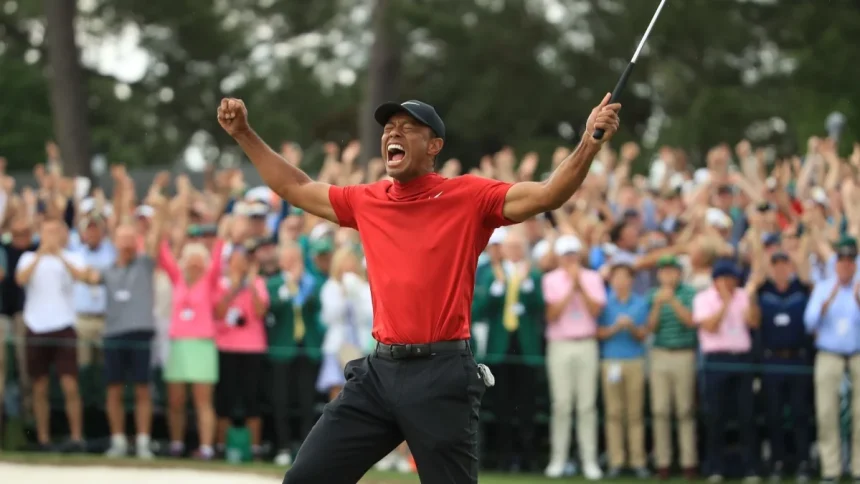
Iconic Moments That Changed Golf go far beyond trophies and scorecards, shaping how the game is played, watched, and understood around the world. These historic victories introduced new styles, broke social barriers, and redefined what success in golf could look like. From unlikely champions to dominant legends, each moment shifted traditions, inspired future players, and expanded golf’s reach beyond elite circles, proving that one unforgettable performance can transform an entire sport’s identity.

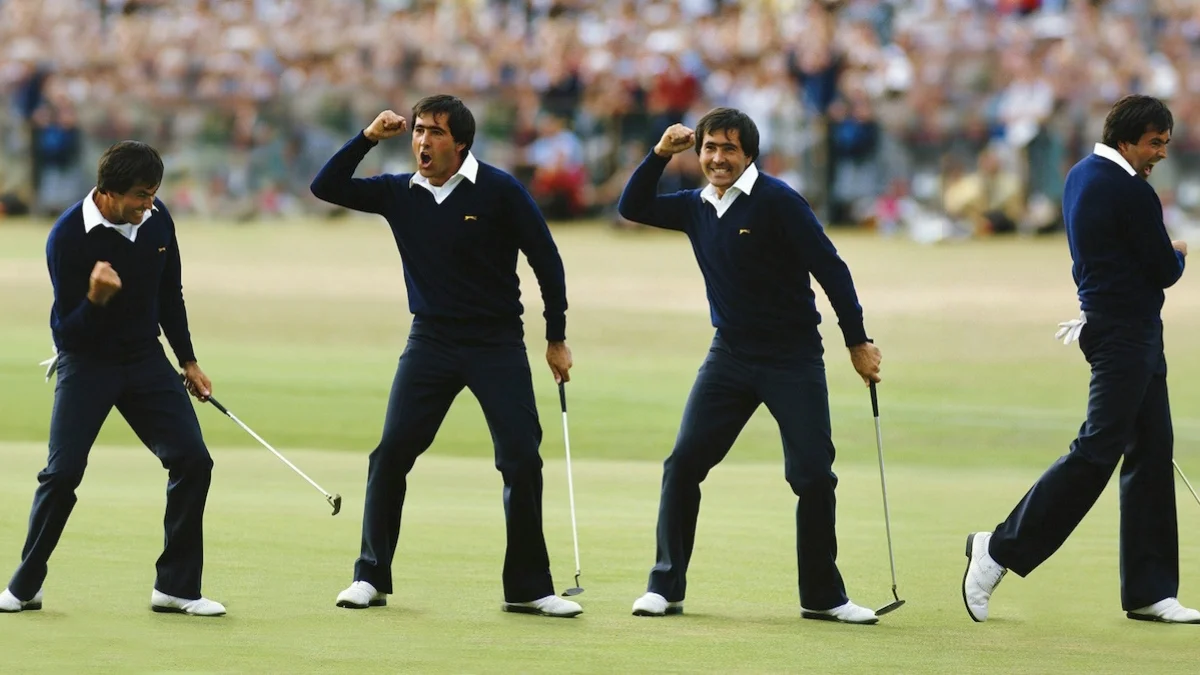
One of the Six Major Championships That Redefined Golf was Seve’s victory at the Old Course, which combined drama with change. His approach seemed spontaneous but natural, bold recoveries, inventive short game tactics, while never backing down. Hitting a birdie on the 18th to secure the Claret Jug marked more than success; it showed creativity had its place among tradition.
Instead of following norms, he challenged them. European golf, previously under American influence, gained an inspiring leader through him. Young athletes realized flair didn’t weaken skill; instead, it lifted it higher; viewers learned big wins could honor creativity just like precision. That moment Ballesteros raised his fist at St Andrews still captures how deep golf’s feelings can run.
Francis Ouimet 1913 U.S. Open
Read More

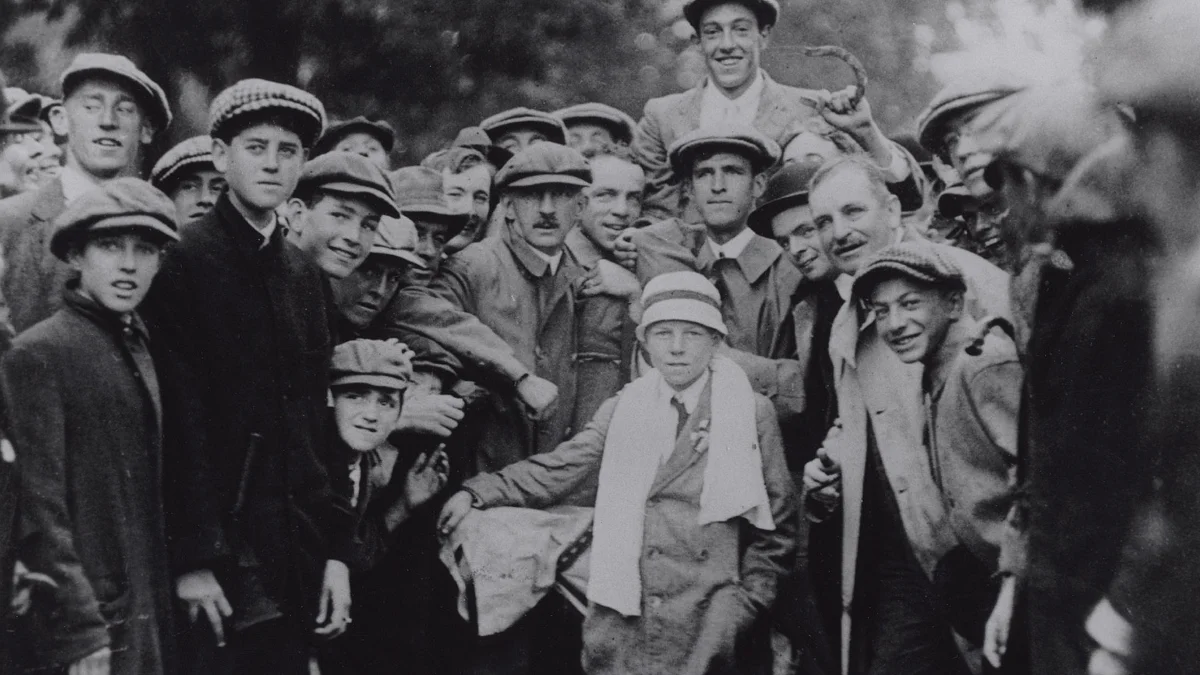
Francis Ouimet’s surprise win became a key moment in U.S. sports lore for a young amateur from Brookline, just 20, defeating elite pros like the famed Harry Vardon. Instead of status or background, skill and determination took center stage. While golf had been limited to privileged circles before this, his success signaled a change.
A working-class kid, once carrying bags on the course, now stood champion, drawing widespread attention. This shift sparked growth: more clubs opened, public greens spread across towns, while average citizens started viewing golf as accessible, not distant. His impact wasn’t immediate, and it made it one of the Iconic Moments That Changed Golf.

Tiger Woods 1997 Masters
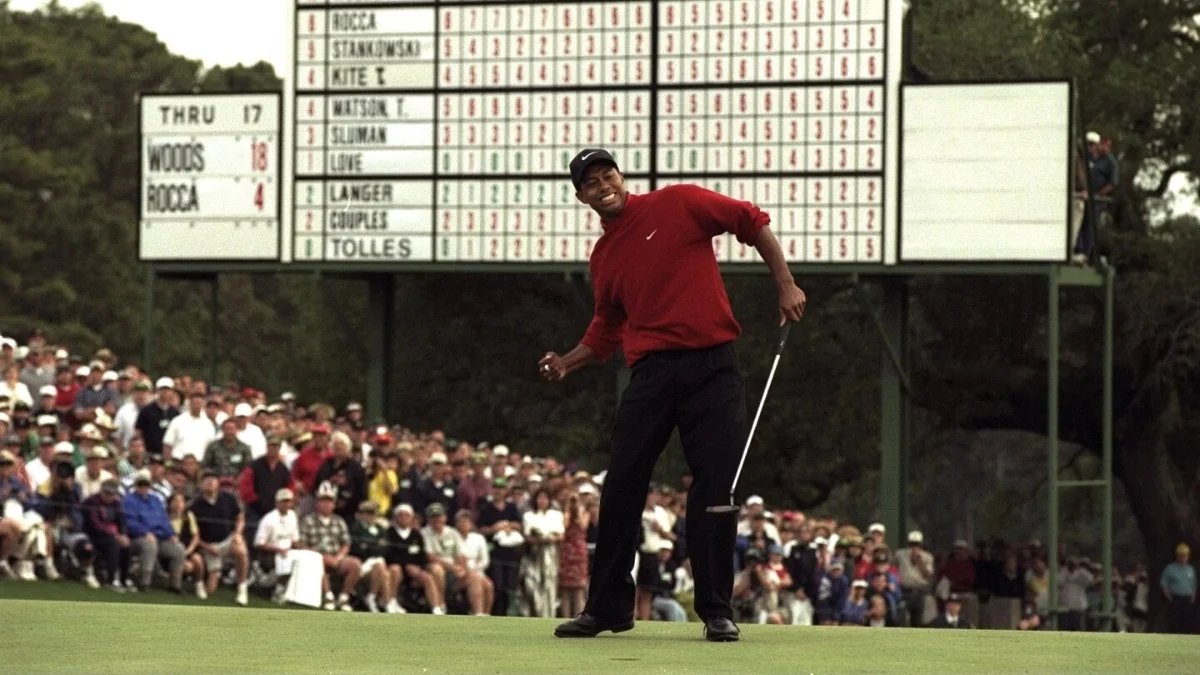
Tiger’s 12-shot victory at Augusta sent shockwaves through the sport. By 21, his strength, focus, and charisma reached well beyond competition. Not just breaking records, his success challenged golf’s classic image while pulling in global audiences.
With brands seeking attention, broadcasters expanding airtime, and youth programs adjusting fast, new players emerged from varied backgrounds. Beyond taking home a green jacket, he reshaped how golf ties into modern culture and business, proving a single star can broaden a game’s reach meaningfully.
Bobby Jones 1930 Grand Slam
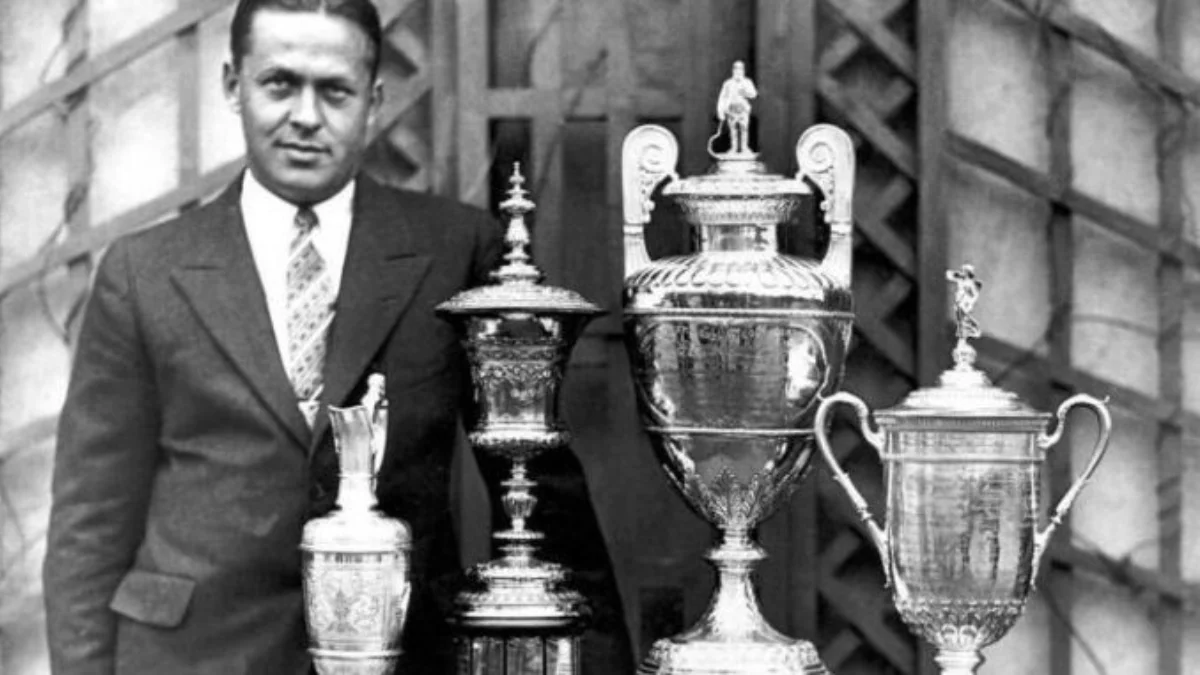
Bobby Jones winning all four top tournaments in 1930 established a legendary mark, the Grand Slam. Though an amateur, his behavior and intelligence raised the game’s values; this success combined sharp skill with quiet integrity.
Instead of just prizes, his reach shaped golf courses and lasting institutions; by helping create Augusta National and the Masters, he built frameworks that endure today. That year’s triumph defined the majors as golf’s highest challenges, offering future players a clear goal to pursue.
Jack Nicklaus 1986 Masters


Jack Nicklaus winning the 1986 Masters at 46 shows what timing, skill, and focus can do. Although up against younger rivals and high pressure, he delivered a strong final round, earning his 18th major title.
This win changed views on success: lasting through years while peaking when it counts holds equal value to young triumphs. To many spectators and athletes alike, his return proved persistence pays off; not only can excellence resurface, but also legacy shift near the end of one’s path.
ALSO READ: NBA Players With the Most Career 3-Pointers