



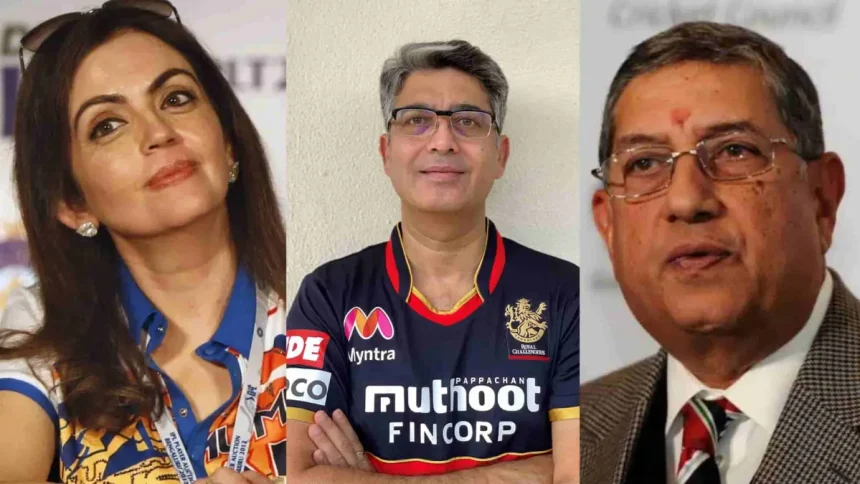
The Indian Premier League has grown far beyond a domestic cricket tournament. Today, IPL franchises represent powerful business groups, global investors, and even Bollywood celebrities who have turned the competition into one of the richest sports leagues in the world. Behind every IPL team is an ownership structure that combines financial muscle, brand strategy, and sporting ambition.
Understanding the IPL team owners in 2026 provides insight into how the league operates as both a cricket spectacle and a billion-dollar sports industry. From corporate giants to entertainment icons, the ownership landscape of IPL franchises is as fascinating as the matches themselves.
IPL and the Business Power Behind the Teams
The IPL operates with ten franchises, each owned by powerful business conglomerates or investor groups. These owners are responsible for franchise management, marketing, sponsorship deals, and team building strategies.
Over the years, IPL franchise ownership has evolved into a global investment opportunity, with companies seeing the league as a gateway to massive audiences and commercial growth. The league’s enormous television deals, sponsorship revenue, and fan engagement make owning an IPL team a highly lucrative venture.
IPL Franchise Owners List in 2026
The IPL currently features ten franchises, each backed by influential ownership groups. Here is a look at the IPL team owners for the 2026 season:
- Mumbai Indians – Owned by Reliance Industries, led by Mukesh Ambani.
- Chennai Super Kings – Owned by Chennai Super Kings Cricket Limited, a subsidiary of India Cements under N. Srinivasan.
- Kolkata Knight Riders – Owned by Shah Rukh Khan, Juhi Chawla, and Jay Mehta through Knight Riders Sports Pvt. Ltd.
- Royal Challengers Bengaluru – Owned by United Spirits, part of the global Diageo Group.
- Sunrisers Hyderabad – Owned by the Sun Group led by media magnate Kalanithi Maran.
- Delhi Capitals – Jointly owned by JSW Group and GMR Group.
- Punjab Kings – Owned by Mohit Burman, Ness Wadia, Preity Zinta, and Karan Paul.
- Rajasthan Royals – Owned by Emerging Media IPL Ltd, led by Manoj Badale.
- Lucknow Super Giants – Owned by RPSG Group chairman Sanjiv Goenka.
- Gujarat Titans – Owned by the Torrent Group investment structure.
These ownership groups highlight the diversity within the IPL, ranging from multinational corporations to celebrity investors.
How IPL Owners Shape Franchise Identity
In modern IPL cricket, team owners play a significant role in defining a franchise’s philosophy. Ownership decisions influence recruitment strategies, coaching appointments, and long term development.
For instance, franchises like Mumbai Indians and Chennai Super Kings are known for stability and long term planning. Their owners focus on maintaining a consistent core squad and investing in talent pipelines. This approach has helped these IPL teams build sustained success across multiple seasons.
Read More
Other franchises adopt different models. Rajasthan Royals have built a reputation for identifying emerging talent, often described as the “Moneyball” approach within the IPL ecosystem. Meanwhile, teams like Delhi Capitals and Gujarat Titans emphasize analytics driven recruitment strategies to stay competitive.
Celebrity Influence in IPL Ownership
One of the unique elements of the IPL is the presence of celebrities in franchise ownership. Bollywood stars and media personalities have helped elevate the league’s entertainment appeal.
The most famous example remains Kolkata Knight Riders, where actor Shah Rukh Khan is a principal owner. His presence has turned the franchise into one of the most recognizable brands in the IPL. Similarly, actress Preity Zinta remains a visible co-owner of Punjab Kings and actively participates in auctions and promotional activities.
This blend of cinema and cricket has played a significant role in expanding the IPL brand beyond traditional sports audiences. It has also contributed to the league’s glamorous reputation worldwide.
Corporate Giants Driving the IPL Economy
Many IPL franchises are owned by massive corporate houses that view the league as a strategic branding platform. Reliance Industries, Sun Group, JSW Group, and Diageo are among the corporations that have invested heavily in IPL teams.
These companies use their franchises to strengthen brand visibility, develop global sports networks, and explore new revenue streams. For example, several IPL ownership groups now operate teams in international leagues such as SA20, Major League Cricket, and other T20 competitions.
This multi league expansion reflects how the IPL has evolved into the centerpiece of a global franchise cricket ecosystem.
Why IPL Franchise Ownership Continues to Attract Investors?
The growing financial power of the IPL makes franchise ownership increasingly attractive. Media rights deals worth billions, strong sponsorship partnerships, and massive digital viewership ensure that IPL teams remain valuable sports assets.
Franchise valuations have surged dramatically since the league began in 2008. New teams like Lucknow Super Giants and Gujarat Titans were sold for record fees, demonstrating the rising commercial appeal of the IPL model.
As cricket continues to globalize, ownership of an IPL team is now seen as both a sporting investment and a long term business opportunity.
Also Read: IPL 2026: Schedule to be Out on This Date