

The Role Of Chairmen In Premier League
Chairmen shape football clubs in quiet boardrooms, not only under bright stadium lights. The people in these seats make the big calls that echo for years. Stadium moves, recruitment structures, and even survival plans often start at the chairman’s desk.
This article ranks and explains the longest-serving chairmen connected to Premier League clubs. It uses clear dates, plain language, and trusted sources. Where titles vary, such as executive chairman or co-chairman, I explain that too, so you get a fair picture of who led, for how long, and why it matters.
How I chose and ranked the chairmen
I looked at the total time an individual held the role of chairman at a club that has competed in the Premier League era. That includes current Premier League clubs and clubs that were in the league at some point. If someone served as co-chairman or executive chairman, I counted that service since it is a chairman role at board level. When a leader continued as a non-executive adviser after stepping down, I only counted their time as chairman.
Dates come from official club statements and reputable outlets. I kept the language simple, noted any changes in title, and added short context on what each person did while in the chair.
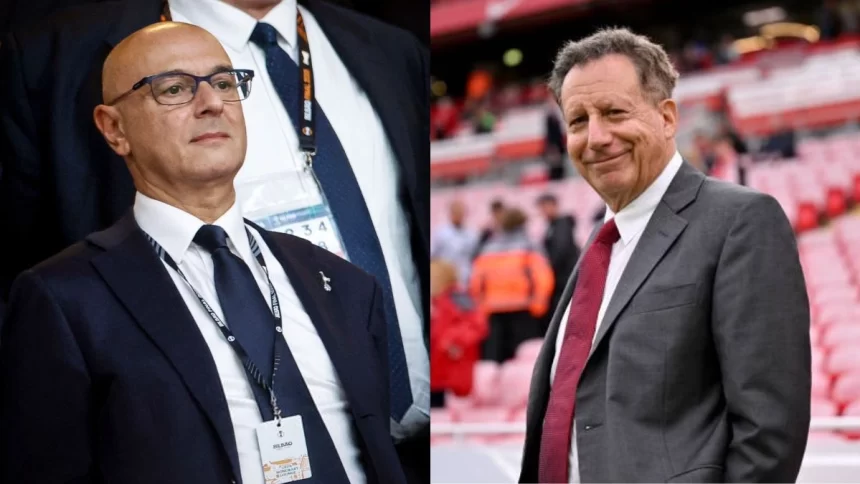
1. Daniel Levy, Tottenham Hotspur – 2001 to 2025

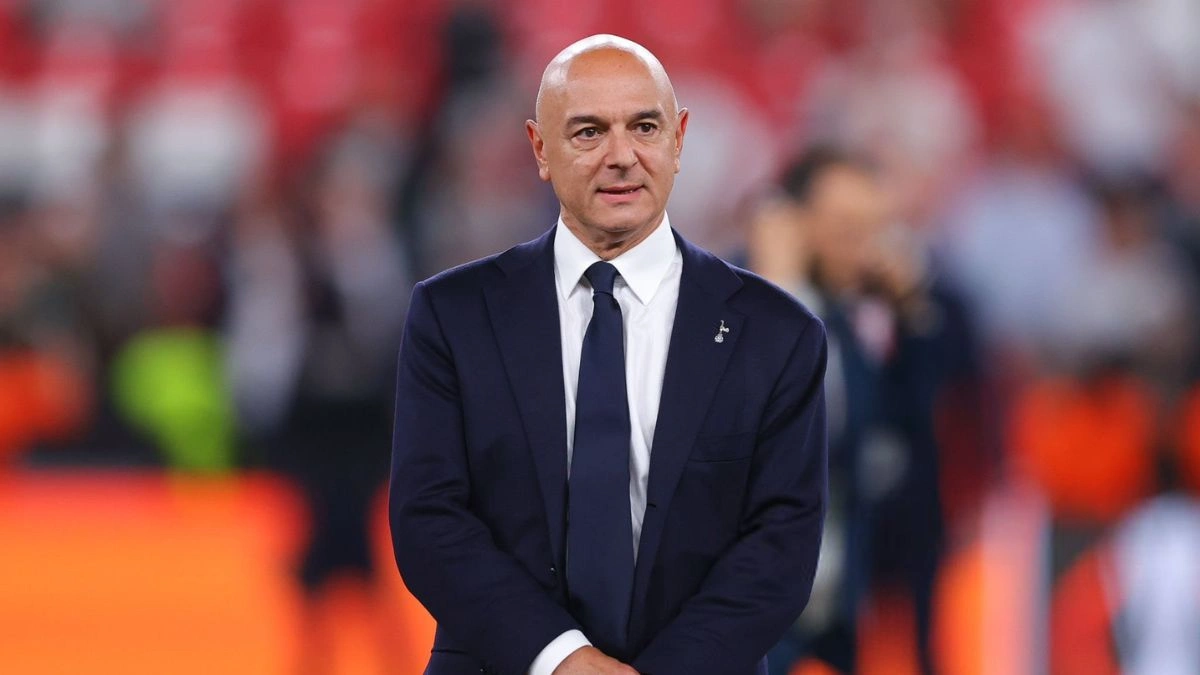
Daniel Levy served almost 25 years and became the Premier League’s longest-serving chairman of the modern era. He stepped down on 4 September 2025, with the club confirming his exit and trusted outlets reporting the change.
Read More

Levy’s time brought huge off-pitch growth. Tottenham built a world-class stadium and a leading training centre, moved into regular European competition, and increased income, although fans often debated the balance between financial discipline and trophies.
2. Peter Hill-Wood, Arsenal – 1982 to 2013 (Premier League era portion: 1992 to 2013)
Peter Hill-Wood led Arsenal through the birth of the Premier League and into the Emirates move planning years. He stepped down in June 2013 for health reasons after three decades as chairman. Counting only the Premier League era, his chairmanship spans 21 years.
Under Hill-Wood, Arsenal modernised at board level and supported two eras of success, first under George Graham and then under Arsène Wenger. His long service made him a central figure in the club’s modern history.

3. Bruce Buck, Chelsea – 2003 to 2022

Bruce Buck chaired Chelsea for 19 years and stepped down in June 2022 following the club’s change of ownership. Chelsea and leading newswires confirmed the timing and length of service.
Buck’s spell covered the Abramovich era and the start of the Boehly-Clearlake period. He moved to a senior adviser role after leaving the chair. His period in office aligned with Chelsea’s most decorated years.
4. Bill Kenwright, Everton – 2004 to 2023
Bill Kenwright became Everton chairman in 2004 and held the post until his death in October 2023. Everton’s official statement confirms his chairmanship and the end date.
Through good and hard times, Kenwright was a constant at Everton. He was known for close ties to managers and for navigating change while seeking new investment. His 19-year run places him among the longest-serving Premier League-era chairmen.
5. Khaldoon Al Mubarak, Manchester City – 2008 to present
Khaldoon Al Mubarak became Manchester City chairman in 2008 and continues in the role today. The club’s official profile lists him as chairman and outlines his leadership across the modern City Football Group era. That is 17 years and counting as of September 2025.
His chairmanship oversaw heavy investment in infrastructure, recruitment structures, and global development. City rose to sustained domestic and European contention during this time.
Read More

6. Tony Bloom, Brighton and Hove Albion – 2009 to present
Tony Bloom took over as Brighton chairman in 2009. The club credits him with funding the Amex Stadium and setting a data-driven model that took Brighton from the lower leagues to European football. That tenure is now 16 years.
Bloom’s leadership shows how patient planning, academy work, and smart scouting can build a stable Premier League club without losing financial control.
7. Steve Parish, Crystal Palace – 2010 to present
Steve Parish led the 2010 consortium that saved Palace and has served as chairman since. The club recently marked 15 years under his leadership, confirming the timeline.
Parish steered Palace through promotion, consolidation in the top flight, and continued stadium and academy plans. He is widely linked with steady, realistic progress.
8. David Sullivan, West Ham United – 2010 to present (co-chairman 2010 to 2023, joint-chair since 2023)
David Sullivan arrived in January 2010 as co-chairman. Following David Gold’s passing in 2023, the club lists Sullivan and Vanessa Gold as joint-chairs. This is a continuous 15-year stretch in a chairman role.
His period covers West Ham’s move to London Stadium, ups and downs in the league, and European nights. Title wording changed from co-chairman to joint-chair, but the seat at the top stayed with Sullivan throughout.
9. Tom Werner, Liverpool – 2010 to present
Tom Werner became Liverpool chairman in December 2010 and continues in the role. The club’s leadership page and official materials confirm his position and long service.
Under Werner and FSG, Liverpool built a modern football structure, redeveloped Anfield in stages, and returned to regular contention for major honours. That is nearly 15 years in the chair.
10. Two long-tenure chairmen from former Premier League clubs
Dave Whelan, Wigan Athletic – 1995 to 2015- Whelan chaired Wigan for 20 years, including the club’s full Premier League spell from 2005 to 2013. His leadership oversaw the rise to the top flight and the 2013 FA Cup win.
Peter Coates, Stoke City – 1989 to 2019- Coates served in two spells and led Stoke through a sustained Premier League run between 2008 and 2018 before stepping down in 2019.
Why you sometimes only hear about two clubs
A few reasons create that impression. First, some clubs move from chairman-led models to ownership groups with executive boards. Titles can read as executive chairman, non-executive chair, or co-chair, which confuses comparisons. Second, many clubs changed owners more often in the 2000s and 2010s.
That churn means fewer very long single-person tenures. Third, the most high-profile stadium or spending stories often came from a small group of London clubs, so media coverage centred on them. The result is a spotlight on Tottenham and Chelsea while other long-serving chairmen receive less attention in the news cycle.
The list above shows a wider picture. Arsenal’s long Hill-Wood era bridged into the Premier League years. Brighton, Palace, and City have had stable chairs for well over a decade. Liverpool’s Tom Werner has been in place since 2010. West Ham’s top seat has had the same senior figure since early 2010, even as title wording changed. In short, there is depth beyond the two biggest headlines, and the dates back it up.
FAQs
1) Who is the longest-serving Premier League-era chairman?
Daniel Levy holds that position with almost 25 years at Tottenham before stepping down in September 2025.
2) Why include co-chairmen or executive chairmen?
Clubs choose those titles for their top board seat. The responsibility sits at the same level, so including them gives a fair picture across different club structures.
3) Did any ex-Premier League club have a very long-serving chairman?
Yes. Dave Whelan at Wigan served 20 years, and Peter Coates at Stoke served around 30 years across two spells.
4) Where can I verify the dates?
Each entry above cites an official club page or a trusted outlet. These links confirm appointment and exit dates and, when relevant, title changes.
5) Why do some clubs change chairman more often?
Ownership changes, financial pressure, and different governance models all play a role. Some clubs favour a rotating board or a non-executive chair, which lowers individual tenure length over time.
Also Read- Ronaldo Vs Messi: Who Is The Real GOAT Of Football?