

From the dramatic slopes of the Dolomites to the razor-fast corners of icy ovals, Olympic Winter Sports at Milano Cortina 2026 delivered unforgettable moments that resonated across continents. In a showcase where tradition met technology and elite athleticism met human drama, this edition of the Winter Games reignited global passion for snow and ice competition. Spectators tuned in in record numbers, digital audiences soared, and a new generation of stars emerged, all under the banner of winter’s most compelling Olympic Winter Sports.
Alpine Skiing: Raw Speed, Precision, and Prestige
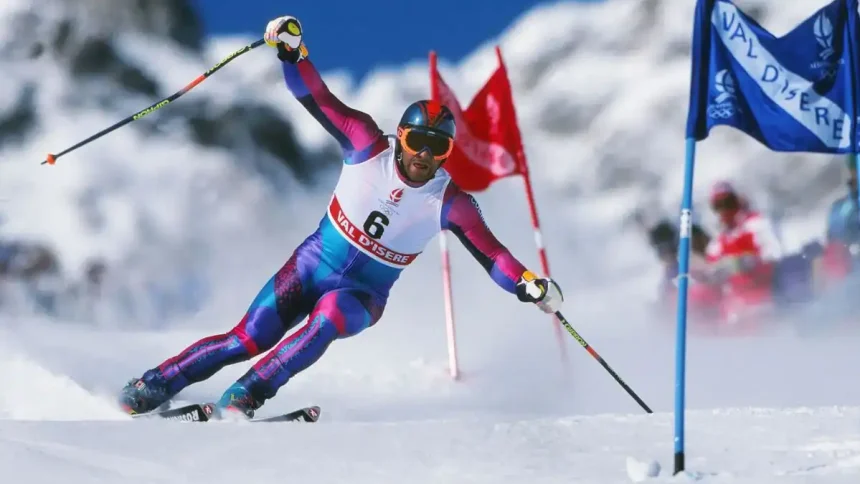
Alpine skiing has always been one of the marquee Olympic Winter Sports, and at Milano Cortina 2026, it lived up to every bit of its storied reputation. On the demanding Stelvio and Olimpia delle Tofane courses, seasoned veterans and rising stars battled for fractions of a second. Italy’s own Federica Brignone claimed gold in the women’s super-G, a perfect narrative of home-turf glory, while breathtaking downhill runs provided breathless television moments.
The drama wasn’t just about speed but also resilience. One of the greatest names returned in a poignant comeback attempt that underscored the sport’s unforgiving nature. The Alps weren’t just a backdrop, they were a theatre of courage, precision, and the purest form of ski competition.
Speed Skating: The Art of the Fastest Lap
When it comes to Olympic Winter Sports, few events are as hypnotic as speed skating. Athletes push human limits around the oval with grace and explosive power. At Milano Cortina, skaters shattered expectations and Olympic records alike. Norway’s Sander Eitrem clinched gold in the men’s 5000m with a blistering time, while Italy’s own Francesca Lollobrigida turned local support into gold-medal momentum in the women’s long-distance races.
This sport’s appeal is in its blend of precision and endurance, a pure battle against the clock and one’s own limits. Each turn, each stride reverberated around packed arenas and living rooms worldwide, proving again why speed skating remains a global crowd-favorite Olympic Winter Sport.


Snowboarding: Style Meets Global Buzz
Modern audiences have elevated snowboarding into one of the most watched Olympic Winter Sports, blending athletic daring with cultural cool. Milano Cortina continued that trend with electric half-pipe, slopestyle, and big-air finals where aerial artistry defied physics. Japan’s Kira Kimura soared to big-air gold while 17-year-old upstarts brought fresh excitement to packed venues and online forums alike.
This discipline’s appeal lies not just in medals but in its youth-driven energy and social media presence, forging a bridge between sport and lifestyle that few other events can match.
Ice Hockey: Fast, Fierce, and Famously Unpredictable
No conversation about Olympic Winter Sports is complete without ice hockey. Fast-paced, aggressive, and steeped in tradition, hockey at Milano Cortina drew global television audiences and intense national pride. Headlines buzzed with semifinal showdowns featuring powerhouses like Canada, the United States, and Sweden, each game teeming with momentum swings and strategic physical play.

Hockey’s global pull, bridging North America, Europe, and now increasingly Asia — was evident not just in attendance but in conversation, as fans and pundits dissected each shift, goal, and penalty.
Nordic Combined & Ski Mountaineering: Tradition Meets New Frontiers
Among the most fascinating evolutions in the roster of Olympic Winter Sports was the continued ascent of Nordic combined and the introduction of ski mountaineering. Nordic combined, an elegant blend of ski jumping and cross-country endurance, offered some of the Games’ most strategic competition. Norway’s sweep underscored the discipline’s elite pedigree and dramatic shifts between flight and relentless terrain.
Meanwhile, ski mountaineering made its Olympic debut, capturing imaginations with steeps, transitions, and heart-racing ascents where athletes climbed then skied down challenging routes. Its arrival signaled a bold new chapter for winter competition, one that merged adventure with elite athletic precision.
Also Read: Non-Olympic Sports That Should Be in the Olympic Games