

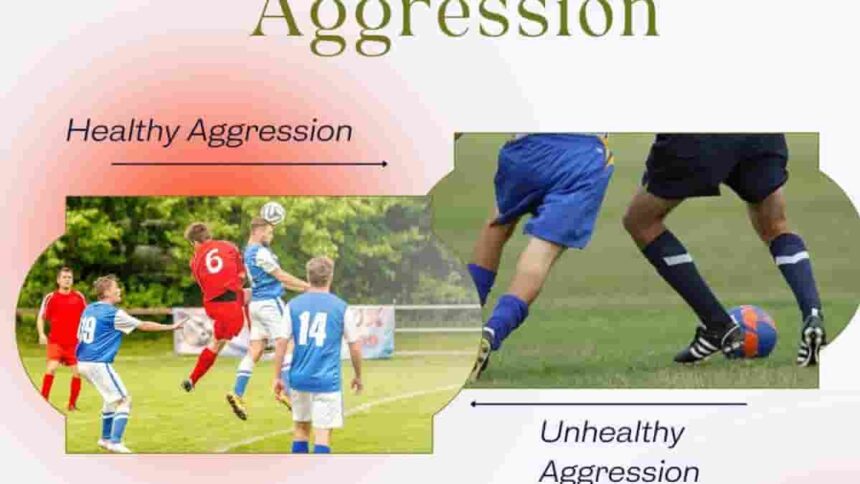
We seem to hear reports of violent conduct, altercations, and even assaults on sports fields and in dugouts every day. We debunked a few fallacies regarding aggressive sports conduct last week. The main takeaway from that article is that aggressive behaviour is not something that just happens. You can exert a significant influence over your players’ behaviour as a high school coach.
You can prepare for and possibly stop the violence that can damage your team by being aware of situations that might cause hostility. This week, we’ll discuss certain reasons that could lead to more violent conduct and provide practical advice on how to avoid it before, during, and after games.
Factors Associated with an Increased Risk for Aggressive Behaviour
Here are several things that sports psychologists have discovered can make aggressive conduct more likely, though you should always be on guard. Make sure you, your coaches, and your team leaders are keeping an eye out for anything that could spiral out of control in these conditions.
- Extreme heat—This is not a joke. On warmer days, aggressive behavior is more likely to flare up.
- A previous incident in which it appeared that someone was intentionally trying to harm another player—since most high school players watch games on TV (even before they enter high school), they frequently hear references to “retaliation” during professional and even amateur games. Aggression among players can come to be seen as “part of the game.”
- Aggressiveness is more likely to occur on the losing team when the score of the game is significantly different. No justification is required.
- Extra-innings and extended games The greater the emotions and “worth” of the victory, the longer the games last. As games progress and exhaustion sets in, keep in mind that you want to be concentrated, intense, assertive behavior rather than gut-driven hostility.
- Community “rivalry” matches This is yet another blatant example of aggression taking over. Remember that unruly fan conduct may harm the activities of your athletes.
- Players with a history of violent behavior are more inclined to aggravate stressful situations or continue them when they know they can get away with it.
- Coaches or coaching staff who are known to encourage and support violent behavior Watch and listen for any indications of trouble in (or outside of) the opposing dugout. Although you have no control over the coaching philosophy of your opponents, you don’t want to be surprised by aggressive teams. You naturally do not want to be that man!
Reducing Aggression and Violence in Sports


What are the recommendations of sports psychologists for stopping or curtailing aggressive behaviour in sports? Here are some crucial pointers.
- Serve as a role model. One cannot emphasize this enough. The person who sets the tone for conduct on the field is you, and your players should look to you as the ultimate team leader. It’s time to learn if you don’t already know how to control your behavior in tight circumstances. Show your teammates that you are willing to accept responsibility for your blunders.
- Take notes on others’ behaviour. It is possible to gain a lot of knowledge from both happy and unpleasant experiences. Avoid making the same errors that others have.
- Don’t fail to report aggressive behaviour on other teams. While it’s generally a good idea to stay out of other teams’ disputes, the likelihood that aggressive behaviour will continue—or worsen—every time you ignore it increases.
- Promote interaction with rival teams. Players are less prone to overreact in-game scenarios when they get to know one another in low-key social situations.
Youth sports authorities should attempt to establish an environment where harmful taunts, songs, and chants are discouraged and good sportsmanship is encouraged, even when some elements related to aggression (such as personality or hormone levels) are beyond one’s control. This could reduce the number of game-related provocations and, as a result, the number of athlete clashes. In a similar spirit, violent displays by enraged spectators—which have been demonstrated to have a mimicry effect on teenagers—should be met with appropriate repercussions.
“Get more sports news, cricket news, and football updates, log on to sportsdigest.in. Follow us on Facebook or Twitter and Subscribe to our YouTube Channel.”