



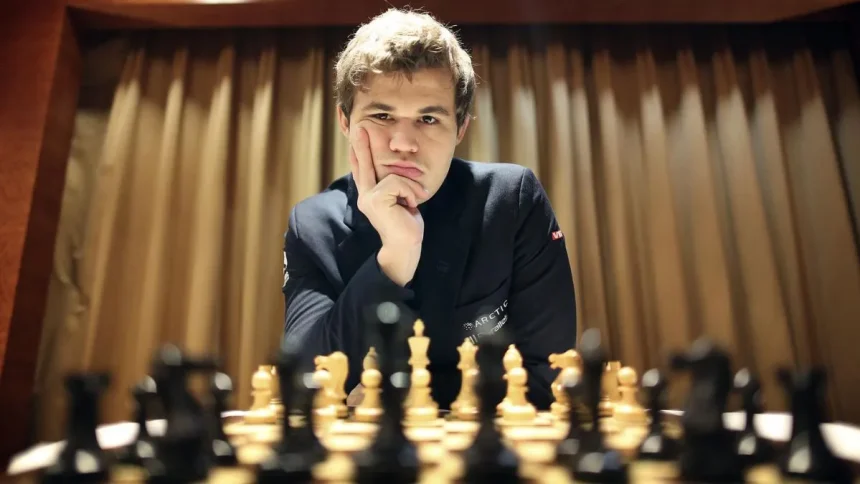
Psychology in Chess isn’t a mere buzzword in the world of competitive play, it’s the invisible hand that often decides who triumphs and who falters on the 64 squares. As elite grandmasters prepare for over-the-board battles, they understand that victories are not just built on deep opening preparation and precise calculation, they are etched in the mind. Across elite championships, from classical games raging for six hours to nerve-shredding rapid formats, it is mental endurance, emotional control, and psychological warfare that often tilt the balance between success and heartbreak.
- Mind Games at the Top: Why Psychology in Chess Matters
- Mental Endurance: The Invisible Muscle of Elite Chess
- Handling Pressure: The Psychological Battle Within
- Reading Opponents and Psychological Warfare
- Mindset Matters: Growth, Confidence, and Resilience
- Cognitive Load and Decision-Making Under Stress
- Cultivating a Champion’s Mind
Mind Games at the Top: Why Psychology in Chess Matters
At elite levels, every player understands openings, middlegame plans, and endgame theory inside out. But what separates a slightly stronger player from a true champion isn’t just knowledge, it’s the psychological edge. Top players train their minds to endure pressure, focus for extended spans, and resist the emotional roller-coaster that a long match brings. Psychological resilience isn’t optional; it’s fundamental. Players must maintain high concentration during long hours of deep thought and intense decision-making, especially when a small slip can cost the whole game.
Mental Endurance: The Invisible Muscle of Elite Chess
In chess, mental endurance plays a role as critical as tactical brilliance. Research in human performance and sports psychology indicates that players with higher mental stamina exhibit better psychological health and superior performance under prolonged stress conditions. There’s a strong positive link between mental endurance and psychological well-being among competitive chess players, showcasing that those who sustain high mental energy over long games not only make sharper decisions but also manage stress more effectively.
Chess isn’t a sprint; it’s a marathon of calculation, judgement, and emotional regulation. Long classical games demand that players stay alert for hours, without losing composure. A lapse in focus or a rushed decision in a crucial position can turn a winning position into a draw or worse. Elite players cultivate mental endurance through rigorous training, meditation, and stamina-building routines much like athletes in other mind-intensive sports.
Handling Pressure: The Psychological Battle Within
As much as chess is a strategic battle against an opponent, it’s equally a duel against inner psychological forces, anxiety, overconfidence, self-doubt, and fear of failure. A player might know the best theoretical continuation, yet stress or pressure can cloud judgment at critical moments. Competitive players work hard on controlling such emotional responses and stay present in the moment, resisting the urge to let pressure dictate their moves. Techniques such as deep breathing, focused visualization, and even pre-game rituals are common tools used to prepare the mind for combat.
Read More

Time pressure adds another layer of psychological strain. As the clock ticks down, players need to balance analytical depth with intuitive judgement. Those who manage stress better tend to preserve higher quality decisions and less time trouble blunders, a hallmark of seasoned masters.
Reading Opponents and Psychological Warfare
Elite chess isn’t just about pieces on a board; it’s about reading the opponent. Understanding an opponent’s psychological tendencies, whether they crack under pressure or thrive in chaotic positions, helps players craft strategies that induce discomfort. Body language, tempo, and subtle psychological actions such as taking a pause before a move can influence the mental state of an opponent. These psychological tactics become especially potent during long, high-stakes matches where even small emotional disruptions can lead to inaccuracies.
Mindset Matters: Growth, Confidence, and Resilience
A resilient mindset, one that embraces challenges and views setbacks as learning opportunities, is a crucial element of psychology in chess. What distinguishes top players is their ability to recover from blunders or difficult positions without losing confidence. A positive, growth-oriented psychology allows players to stay motivated despite mistakes and maintain their strategic clarity during intense match play.
Read More

Confidence plays a double role. While it empowers players to trust their instincts and take calculated risks, un-tempered confidence can lead to overconfidence and errors. Elite players strike a balance, cultivating self-belief while remaining grounded, analytical, and adaptable in shifting game situations.
Cognitive Load and Decision-Making Under Stress
Chess involves constant evaluation, planning, and foresight under cognitive load. Decision-making styles influence how players handle complex positions. Research shows that a rational, considered approach correlates positively with mental toughness, whereas avoidant styles can weaken performance under pressure. This interplay between cognitive process and psychological endurance highlights why mental strength is indispensable in elite chess.
Cultivating a Champion’s Mind
Psychology in chess melds logic, intuition, emotional control, and focus into a cohesive performance system. Chess success depends on coordinated functioning of these psychological elements. Players who develop strong psychological strategies, managing stress, harnessing confidence, and enduring pressure, often gain lasting competitive advantages.
Also Read: Freestyle Chess World Championship: Magnus Carlsen Wins 21st Title