



In MMA (UFC), legacies aren’t just built on wins and belts. They’re shaped over time, and sometimes, they take a hit when fighters stay too long, make the wrong calls, or lose momentum at the worst possible moment. The UFC has seen plenty of legends rise, but not all of them managed to protect what they built.
Which UFC fighters damaged their own legacy the most?
Tony Ferguson – 25-11
There was a time when Ferguson felt impossible to beat. His pressure, cardio, and chaos made him a nightmare matchup for anyone at lightweight. But things shifted quickly. Tough fights piled up, the damage became visible, and the results followed. Instead of stepping away or recalibrating, he kept taking fights, and that long skid has definitely changed how his career is viewed today.
Anderson Silva – 34-11
At his peak, Silva looked levels above everyone else. He didn’t just win, he controlled fights in a way that made elite opponents look ordinary. But the final stretch of his career didn’t match that standard. Losses came more frequently, the dominance faded, and the version fans remembered started to blur with what they were seeing in real time.
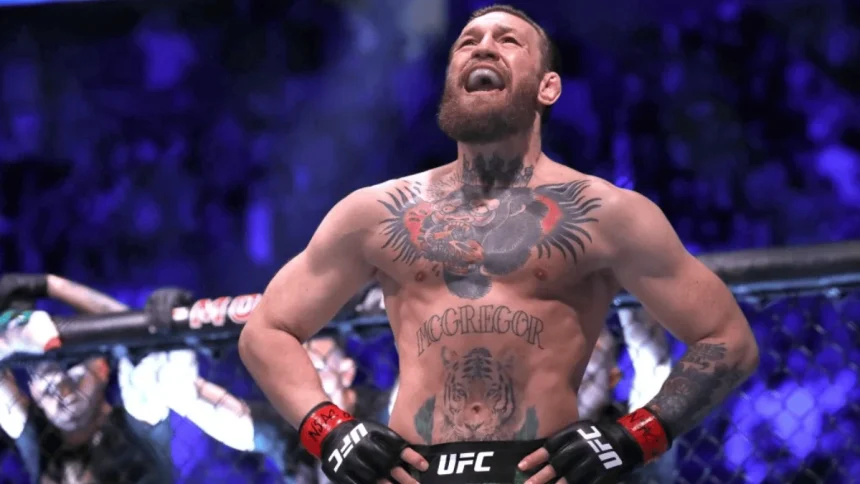
Conor McGregor – 22-6
Conor McGregor’s rise was unlike anything the sport had seen. He was active in the UFC, sharp, and always in control of the narrative. Then things slowed down. Fewer fights, mixed results, and constant distractions outside the cage shifted the focus. The achievements are still there, but the conversation around his legacy feels very different now.
Tyron Woodley – 19-7-1
Woodley had all the tools, power, wrestling, and the ability to end fights in seconds. During his title run, though, criticism around his style started to grow. After losing the UFC belt, the drop-off was hard to ignore. A series of one-sided losses made his decline feel sudden, and it changed how people look back on his time as champion.

BJ Penn – 16-14-2
Penn’s legacy as a pioneer is secure, he was doing things across weight classes before it became common. But the later chapters of his career were tough to watch. Losses kept coming, yet he continued to compete. That decision, along with issues outside the sport, made his overall story more complicated than it needed to be.
In the end, it’s rarely just one moment that shifts a legacy. It’s a series of choices, timing, and how a career is managed in its final stages. These fighters achieved more than most ever will, but their stories also show how quickly the narrative can change.