



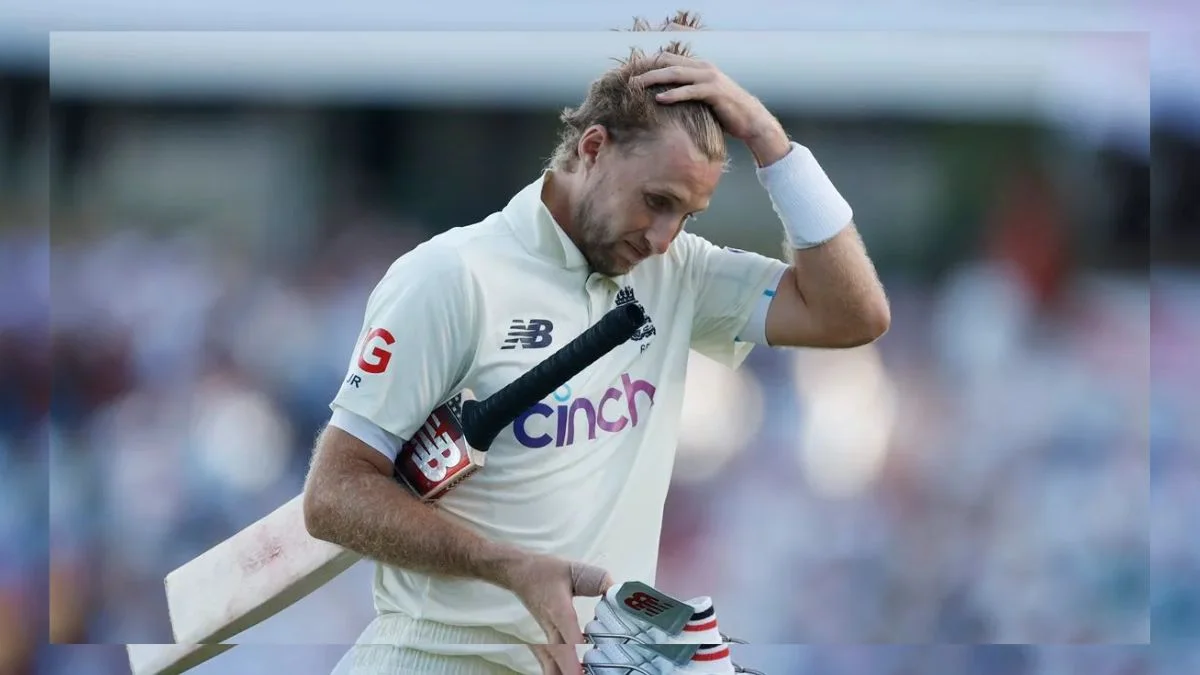
Cricket is packed with unique terms and traditions. One of these? The “bronze duck.” It’s a quirky way to describe a specific field failure. Let’s break it down.
What’s a “Duck” Anyway?
In cricket, getting out without scoring even a single run is called a “duck.” The name comes from the shape of the number zero—it looks like a duck’s egg. Ouch.
But not all ducks are created equal. Cricket fans love to add more flair to their failures:
- Golden Duck: Out on the very first ball you face.
- Silver Duck: Gone on the second ball.
- Bronze Duck: Lasts a bit longer—When the batsman is out on the third ball.
There are 9 types of ducks in cricket:
Golden Duck


When a batter is dismissed without making any runs on the first delivery they defend after entering the batting position, it is known as a “golden duck.”
Read More

Also Read: What Is A Golden Duck In Cricket? A Comprehensive Guide
Silver Duck
The silver duck comes next, after the golden duck. After facing the second ball of their innings, the batter is out for zero.
Bronze Duck
A player is out for zero after the third ball of their innings, known as a Bronze duck.
Read More

Diamond Duck
The diamond duck is one of the worst scenarios in cricket. It usually happens when a batter is run out, meaning they are out without facing any ball.
Royal Duck
A royal duck is particularly tough on opening batters. It happens on the first ball of their team’s innings when a batter is out without scoring.
Laughing Duck
When a batter is out on the final ball of their team’s innings, the laughing duck takes over, as opposed to the royal duck.
Pair
The term “pair” is used in Test cricket when a batter gets out for zero in both innings of a match.
King Pair
Even less common and more unfortunate is a king pair. This happens when a batter in both innings of a Test match is out for zero on the first ball they faced.
The Bronze Duck: Why It Stings

Read More

A bronze duck is more than just a zero on the scoreboard. It’s a reminder that you had time—three or more deliveries—to settle in, but still couldn’t make an impact.
Think about it:
- A golden duck feels like a bolt of bad luck. Blink, and you’re gone.
- A bronze duck? It says you had a chance. You just didn’t use it.
- For batters, it’s a frustrating experience. You’ve seen the ball, gauged the pitch, but then… nothing. It is especially tough in crucial matches, where every run could change the game.
What Causes a Bronze Duck?
A bronze duck can happen for many reasons:
- Tight Bowling: Bowlers stick to their plans, giving you no room to breathe.
- Pressure Situations: The weight of the moment can mess with your focus.
- Tricky Pitches: Seam, spin, or unpredictable bounce? Good luck surviving that.
- Bad Shot Choices: Trying to break free from pressure can backfire—literally.
The Team Effect
When a batter gets a bronze duck, it doesn’t just hurt their pride. It can impact the whole team:
Early Wickets: The team loses momentum right at the start.
Pressure on Others: The middle order now has to dig in and recover.
Frustration in the Dugout: Watching a player fight for a few balls, only to walk back without scoring, can be deflating.