

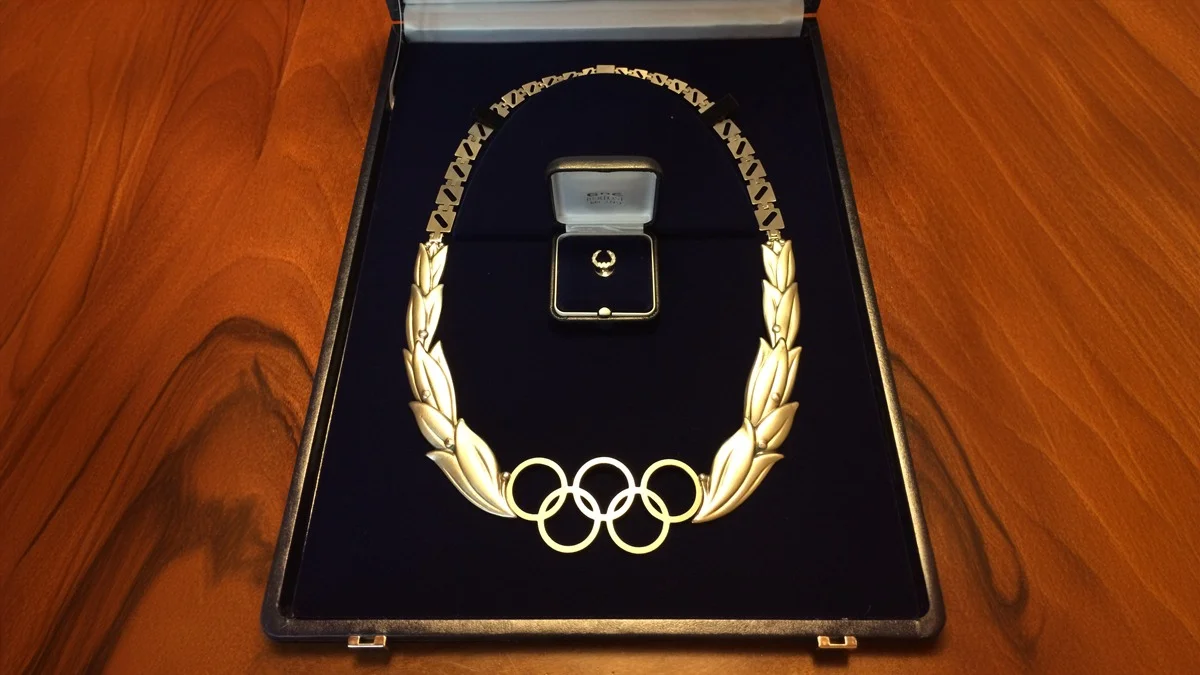
The Olympic Order is the highest award bestowed by the International Olympic Association (IOC) to personalities for their distinguished contribution to the world of sports or Olympism. It is the highest honor of the Olympic Movement.
History of Olympic Order
Established in 1975, the Olympic Order recognizes efforts in sports and is awarded at the closing ceremony of each respective Olympic Games. It came into being as a successor to the Olympic Diploma of Merit.
The Olympic Order originally had three grades: gold, silver and bronze. In 1984, at the 87th session of the IOC in Sarajevo, Yugoslavia, it was decided that in future there would be no distinction between the silver and bronze order. The gold order would continue to be awarded to heads of state and for exceptional circumstances.
Some of the big personalities to have been awarded the Olympic Order are Pope John Paul II, Nelson Mandela, Vladimir, Vladimir Putin, Xi Jinping among various others.
Also Read: Everything To Know About The Paris Olympics 2024 Opening Ceremony

What is the Olympic Movement?
The Olympic Movement is the action carried out by the IOC of all individuals and entities who imbibe the values of Olympism. The Olympic Games is the peak of the Olympic Movement in which athletes from around the world participate.
“The goal of the Olympic Movement is to contribute to building a peaceful and better world by educating youth through sport practised in accordance with Olympism and its values” as defined in the Olympic Charter.
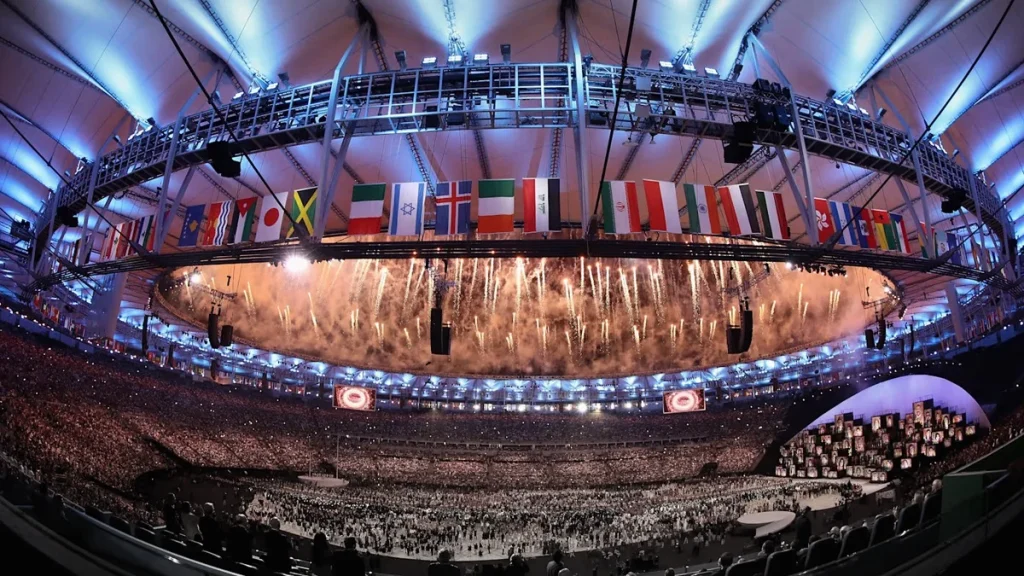


To be a part of the Olympic Movement, adherence to the Olympic Charter and recognition by the IOC is required.
The Olympic Movement comprises three main constituents: the International Olympic Committee (IOC), the International Sports Federations (IFs) and the National Olympic Committees (NOCs).
Also Read: Technology At Olympics 2024: Enhancing Athletes’ Performances
In addition to its three main constituents, the Olympic Movement also consists of the Organising Committees of the Olympic Games (“OCOGs”), the national associations, clubs and persons belonging to the IFs and NOCs.
The interests of the athletes, judges, referees, coaches and the other sports officials and technicians also form the fundamental feature of the Olympic Movement.