

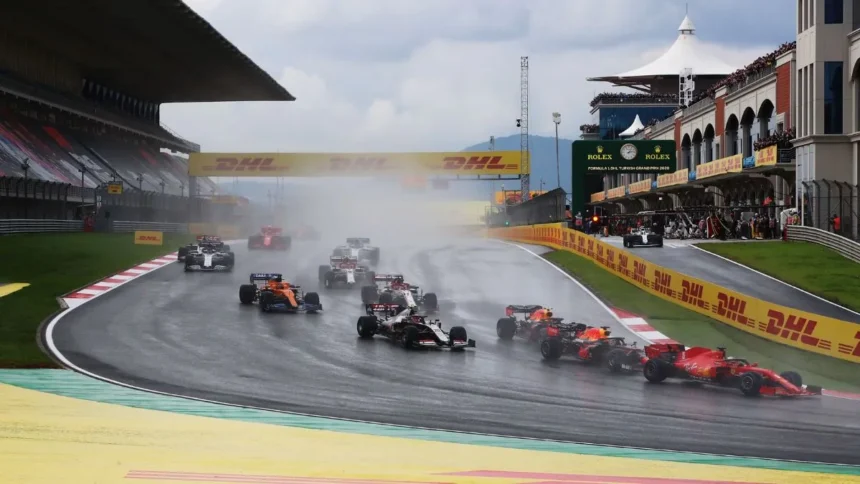
F1 is seriously considering bringing reverse grid races to its sprint events from 2027, but nothing is confirmed just yet. The idea is sparking lots of excitement, debates, and a little uncertainty in the paddock, so let’s break down what’s actually happening in simple words and whether fans will see the reverse grid finally take the green light.
What Is a Reverse Grid?
A reverse grid means the fastest qualifier doesn’t start at the front. Instead, the top ten (or even more) from qualifying would swap places for the sprint race, so the runner who came tenth ends up on pole, ninth starts second, and so on, with the fastest driver starting further back. The aim? Shaking up racing and giving more chances for overtaking, drama, and surprises, especially in shorter, sprint-style events.
Is Reverse Grid Coming from 2027?
Right now, F1 CEO Stefano Domenicali is talking to teams, drivers, and the FIA about adding reverse grids in the future. They’re looking at sprint races, not the main Grand Prix races. There’s more openness in discussions than before, and the idea keeps coming back every year. Junior series like F2 and F3 already use reverse grids, but applying it to F1 means big changes and big opinions.
Recent sources say that for the 2027 season, F1 will discuss things like reverse grid Sprints, maybe even expanding their number from six to twelve, with tracks like Singapore getting in on the fun. However, it’s still just on the table, no decision has been locked in yet, and official confirmation will probably take months, maybe even another season of debates backstage.
Why Do Some Love It and Some Hate It?
People who like reverse F1 grids say it boosts the action: more overtakes, more unpredictable winners, and more entertaining races for fans, especially newcomers. Teams that want F1 to keep growing as a business also see it as a smart way to keep eyes glued to the sport.

But not everyone is convinced. Some drivers, even world champions, have called it unfair or “gimmicky” in the past. There’s a worry that if drivers aim to qualify lower for a better sprint start, racing could lose its edge and become a game of gaming the system instead of pure speed. Others say if reverse grids offer fewer points, the risk of qualifying low isn’t really worth it.
Will Reverse Grid Make It?
All signs point to F1 giving reverse grids a real shot, most likely in sprint races from 2027, if enough teams, drivers, and fans get behind it. There’s no guarantee it’ll become the norm. F1 wants to experiment, listen to fans, and keep the show fresh and fun. So while these grids aren’t confirmed, don’t be surprised if you see them shaking up the action very soon.
Also read: 2026 F1 Sprints: Everything You Need To Know