
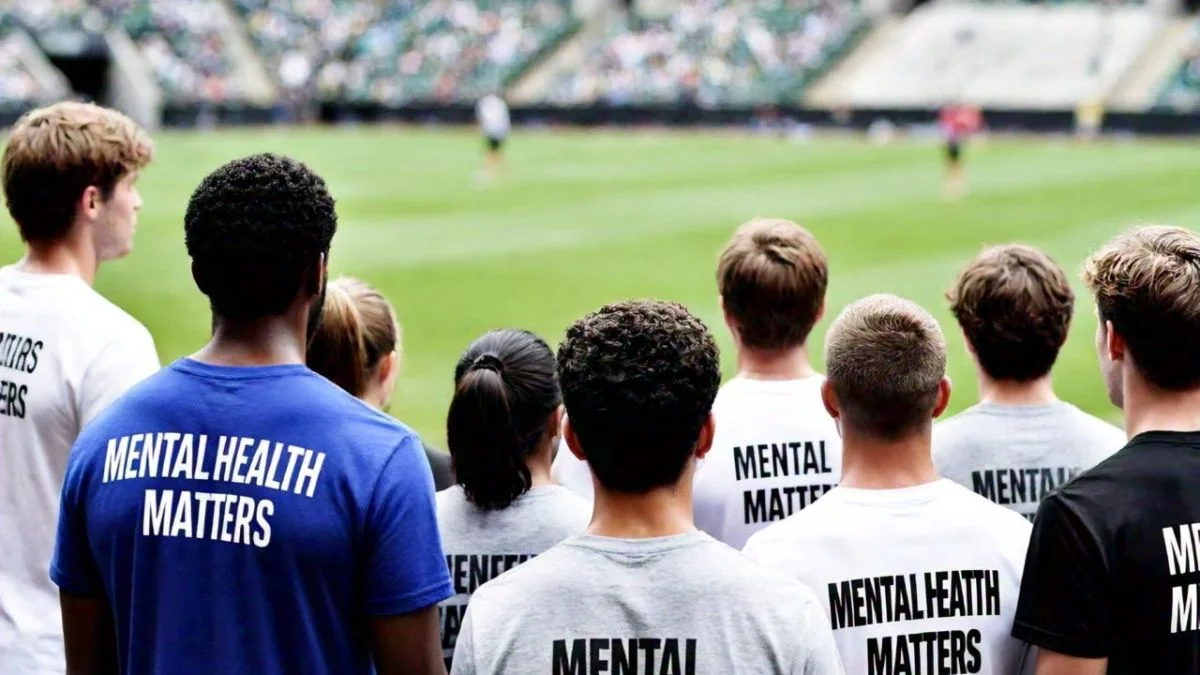
Elite athletes inspire millions. Their talent is remarkable. Their determination? Unwavering. But there’s another side to their story—one that doesn’t always make the headlines: mental health.
While physical fitness gets the spotlight, mental resilience often works behind the scenes. Lately, more athletes are sharing their struggles. The result? A clearer picture of the hidden pressures they face.
Why Mental Health Matters for Athletes
The pressure to win. To perform. To meet public expectations. It’s relentless. Ignore mental health, and the consequences can be severe:
- Slipping performance
- Long-term emotional tolls
The takeaway? Mental health isn’t just important; it’s essential—for the individual and the broader sports community.
Common Challenges Athletes Face

Read More

Mental health struggles don’t discriminate. From footballers to gymnasts, the challenges are real. Here’s what athletes deal with:
Anxiety and Depression
Think about Graham Thorpe, the former England cricketer. Years of battling depression show how this issue doesn’t spare even the best.
Eating Disorders
Under pressure, unhealthy habits can creep in. Andrew Flintoff’s candid revelation about bulimia sheds light on this hidden struggle.

Fear of Injury
Imagine being gymnast Becky Downie, constantly worrying about injuries. The fear? It’s enough to cloud anyone’s focus.
Racism and Online Abuse

Marcus Rashford. Bukayo Saka. Jadon Sancho. These stars faced racial abuse online, spotlighting deeper issues in sports culture.
Body Image Pressures
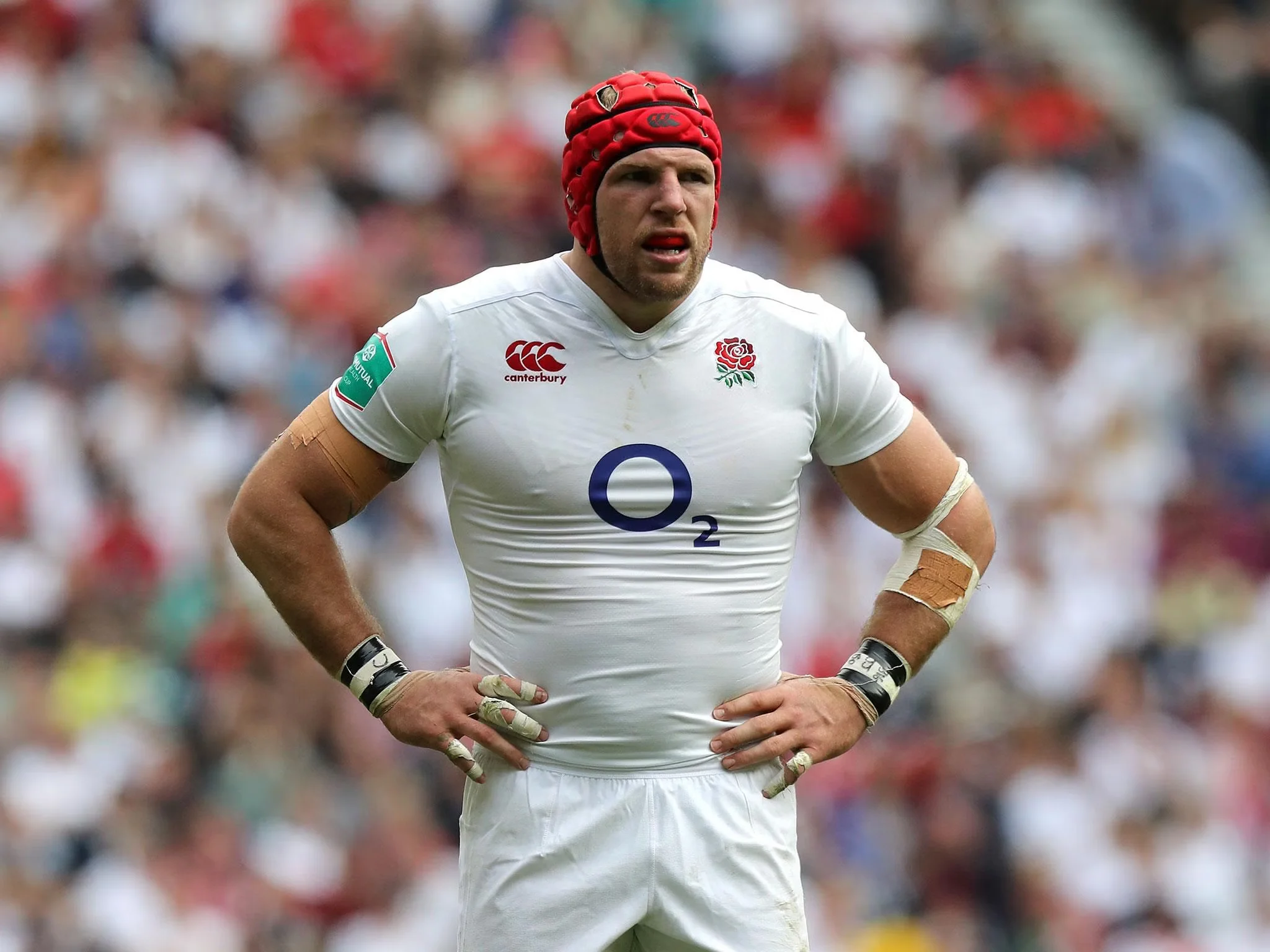
Rugby player James Haskell spoke out about body shaming. His message? It’s time to address these damaging expectations.
Team Conflicts and Public Criticism
Tennis player Emma Raducanu’s experiences show how criticism and teammate disputes add extra layers of stress.

What’s Changing in the UK

The good news? Progress is happening. In the UK, efforts to support athletes’ mental health are gaining momentum:
- Confidential Support: Groups like Sport England and the British Athletes Commission offer counseling.
- On-Site Psychologists: Mental health professionals are now part of elite training centers.
- Awareness Campaigns: Programs like #MentalHealthAwarenessWeek spark essential conversations.
- Player Associations: Organizations like the Professional Footballers’ Association (PFA) provide therapy sessions and support networks.
Also Read: The Art of Playing Water Polo: Rules, Skills, And Strategy
New Ideas to Go Further
What’s next? Here are some game-changing approaches:
- Mandatory Checks: Regular evaluations to catch early warning signs.
- Sports Technology: Wearables that track stress, sleep, and recovery for personalized plans.
- Holistic Training: Mindfulness and emotional resilience as part of standard training programs.
Why This Matters for Everyone
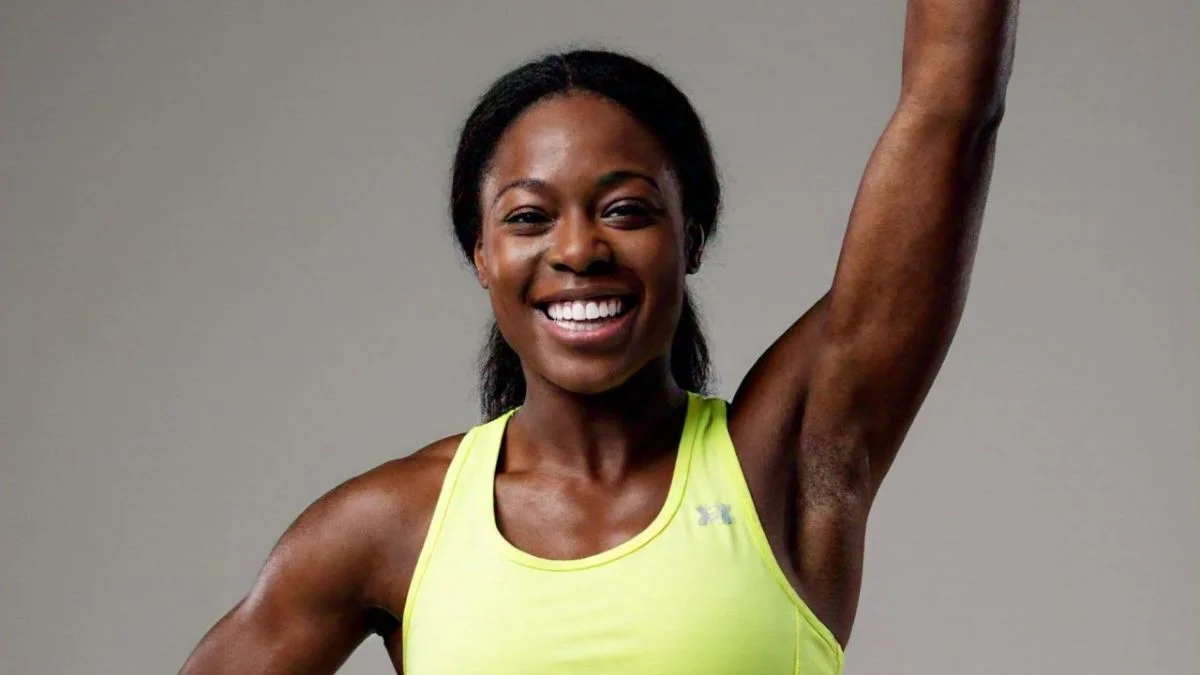
When athletes thrive mentally, the benefits ripple outward:
- Inspiring Fans: Mentally fit athletes encourage others to prioritize their well-being.
- Promoting Inclusivity: Open conversations challenge stigmas and build empathy.
- Mentoring the Next Generation: Healthy role models foster a supportive sports culture.
And the ultimate win? A future where medals aren’t the only measure of success—but also the positive impact athletes have on their communities.
The takeaway? Address mental health head-on, and we’re not just building better athletes. We’re shaping a healthier, more compassionate sports world for everyone.