
South Africa Cricket Captaincy: When it comes to the world of cricket, captaincy has always been a long-term and solid position. For decades, the position of the captain was usually held by one person, whose leadership was of the essence both on and off the ground. South Africa’s captaincy policy in recent years, however, has been far from traditional.
South Africa Cricket Captaincy Rotation
In the past, South Africa had some well-recorded captains: Graeme Smith, Hansie Cronje, and Shaun Pollock. Each of these captains was formative for periods in the South African history of cricket, captaining the side at highs or lows. The nature of how modern cricket has evolved, however, South Africa’s captaincy splits have now begun to change.
While by the time we reach the year 2025, South Africa will have had at least seven captains, which would be particularly unusual in periods of uniform and resourced leadership, there are multiple reasons for this, such as player injury, to much of the different formats of cricket.
Why Has South Africa Had So Many Captains?
There are various reasons for the frequent alterations in South Africa’s captaincy over the last few years.
Injury Issues
The primary reason for the frequent change of captaincy is the injury to players. South Africa’s Test and ODI captain, Temba Bavuma, has had several injuries and had to step down.
For instance, Bavuma was unable to captain the team in Zimbabwe because of injury, with Keshav Maharaj acting as captain. Maharaj himself, however, suffered injury setbacks, and Wiaan Mulder took over captaincy for the second Test.
Injury disruptions have resulted in a lack of continuity at the leadership level, compelling the management to turn to other players to rise and play the commanding role at important times.
Scheduling and Player Rotation
The contemporary calendar of cricket is unrelenting, with series and international games overlapping. South Africa’s calendar has had games played concurrently in various nations, including their Namibia and Pakistan series.
The busy calendar usually creates a situation where not every senior player is available to captain. In such situations, players like Donovan Ferreira, with only eight caps at the time, were given leadership roles for T20I games.
The unpredictable scheduling has created increased demand for player rotation, even leadership positions, with different captains coming in depending on availability.
Specialization across Formats
As T20 cricket gained prominence, the skill sets across different formats have changed. In the past, players such as Graeme Smith used to captain South Africa across all formats, but the game of today requires specialized captains across formats.
South Africa has taken a more strategic path, choosing captains who excel in one format. Aiden Markram, for example, is the obvious choice for T20Is, while Bavuma captains the Test and ODI teams. The change makes it possible for the players to specialize in their strengths in certain formats, enhancing performance and outcomes.
Is There a Right Way to Choose a Captain?
In regards to picking a captain, there are two major schools of thought. The first is that the greatest captain should be picked initially, and that the team should then be constructed around him or her. The second is that the greatest team should be picked and one of the best captains from the selected group chosen. Practically, a combination of these two methods is usually best.
Read More
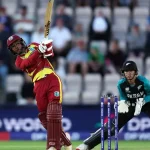
South Africa’s captaincy approach, if at times seemingly anarchic, appears designed to pick the most suitable leadership for each format. The selection of captains, such as Markram, Miller, and Ferreira, is evidence of an appreciation that a variety of formats demand different sets of skills and styles of leadership.
By distributing the leadership among different players, South Africa can ensure that every captain contributes with their personal strengths without burdening one player with the responsibility of leading in different formats.
What Does This Mean for South African Cricket?
While having seven captains in a year might seem too much, there is nothing wrong to say that there is not an advantage to South African cricket’s system of rotating captains. In fact, the advantages of this rotational captain model is:
Flexibility and Resilience: The ability to alternate, or rotate, captains ensures the team retains flexibility to adapt to injury or conflicts in scheduling. South Africa has strong depth, and this allows other players the opportunity to step up and lead when needed.
Creating Team Identity: Despite having almost a new captain every time, the team plays with a consistent philosophy and strategic approach.
Coach Shukri Conrad has created a specific game plan so that whoever the captain may be, the team is able to play with the same identity and style.
The pattern of play is consistent even with different captains
Leadership Development: The rotation of captains is an opportunity for young players like Aiden Markram, David Miller and Donovan Ferreira to get leadership experience which will make them available for the South African leadership in the future. This means that South Africa’s leadership currency remains stable with numerous ‘new’ players who can fill leadership places when called upon.
ALSO READ: Virat Kohli Set To Feature In India’s World Cup 2027 Plans, Confirms BCCI