
Day 2 of the SBC Summit Tbilisi 2025 lit up the venue with fresh energy. After the strong start on Day 1, attendees returned eager for deeper insights, new connections, and actionable ideas. The focus shifted toward sports and gaming partnerships, emerging trends in the Eastern Europe & Central Asia region, and how today’s tech is shaping tomorrow’s player experiences.
From the early morning coffee chats to the final networking cocktails, this day was about making waves, thinking big, and turning ideas into motion.
Morning Kick-off: Setting the Tone
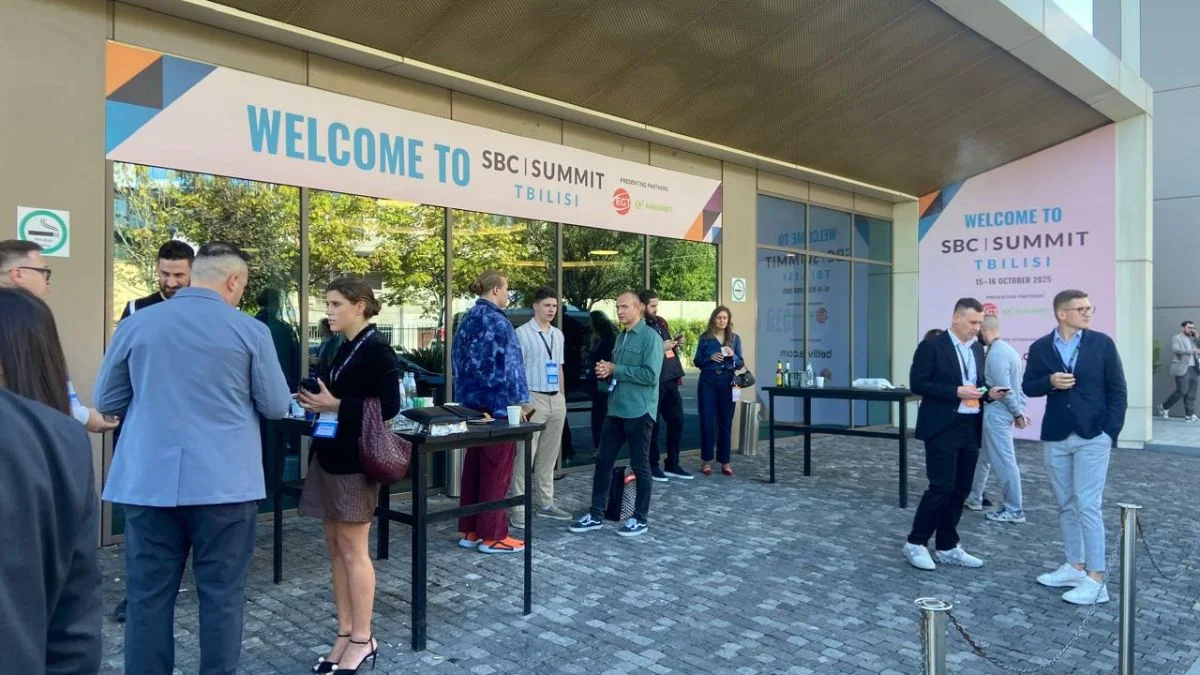
The morning buzz at the Sheraton Grand Tbilisi Metechi Palace started strong. Delegates gathered for the opening remarks, ready to dive into key themes like sports collaboration, broadcast integration, and gamification.
The legendary football player Alessandro Nesta was a familiar face on stage as he talked about how athletes can add trust and authenticity to gaming and entertainment. His attendance emphasised the event’s theme, which was fusing innovative gaming with sports heritage.
What was the takeaway? What you do in iGaming isn’t as important as who you collaborate with, how you interact with users, and why you care about the long run.
Sports Collaborations: An Emerging Field

“The Influence of Sports Icons in Gaming & Entertainment” was the topic of one of the most memorable sessions. Speakers discussed how misaligned partnerships can backfire and how carefully selected ambassadors can transform a brand from good to memorable.

This is what got stuck:
- Authenticity is provided by having a sports legend like Nesta. When they see someone they know and trust, audiences react.
- It all comes down to alignment: the values of the gaming brand and the athlete must coincide. The collaboration should be in line with the athlete’s reputation for self-control, daring, or volunteerism.
- There is no compromise on responsible gaming. Even though athletes have star power, the brand must still uphold fair play, transparency, and player protection.
- Emerging markets are hungry. A significant growth zone is thought to be the area surrounding Georgia, Eastern Europe, and Central Asia. This is where wise alliances can have an immediate effect.
In actuality, this means that local iGaming operators are adjusting partnerships to local culture, regional fandom, and market nuances rather than simply replicating the actions of large Western brands.
“Big Games, Bigger Bets”: Broadcast & Fan Engagement

The panel titled “Big Games, Bigger Bets: The Power of Sports Broadcasting in Fan Engagement & Betting” was another noteworthy event on Day 2. Simply put, this means that, if done correctly, gaming brands can capitalise on major sporting events like the World Cup, Olympics, and continental championships.
Important revelations included:
- It’s all about timing. Major events provide operators with an ideal opportunity to connect with highly engaged, talkative, and interactive fans.
- Broadcast + digital = hybrid power. Live TV has reach; mobile apps have engagement. Combining both gives a 360° experience.
- Content matters. It’s not enough to have a bet slip on screen audiences want context: athlete stories, behind-the-scenes, social features.
- Localising the experience. In regions like Georgia/Eastern Europe, knowing which sport has cultural pull (e.g., football, basketball, local leagues) makes all the difference.
This session reminded attendees that betting isn’t a side-offer anymore it’s part of the entertainment ecosystem, especially when you merge sports, media and tech.
Gamification & Emerging Formats: Changing the Game

While sports partnerships grabbed the headlines, the deeper undercurrent of Day 2 was innovation, specifically how gamification and non-traditional formats are reshaping player engagement.
From the panel “Gamification in iGaming: Creating Engaging & Rewarding Player Experiences”, participants explored things like leaderboards, missions, reward systems, and social mechanics. Highlights:
- Players aren’t just playing; they’re belonging. When you build a “community” around your game, retention jumps.
- Younger audiences are more adaptive. Esports, fantasy sports and niche sports were discussed as avenues to reach next-gen users.
- Formats are shifting. These formats interact differently, ranging from straight bets to skill-based competitions to “missions” within an app.
- Personalisation based on data is essential. Better results result from customising missions, offers, and rewards according to user behaviour.
To put it briefly, you will lose users if your website or app feels like everyone else’s. You will stand out if the platform has personality, mission, community, and smart technology.
Regional Emphasis: Central Asia and Eastern Europe

Day 2 put the regional angle front and centre. “How the region is making its mark on global iGaming” is the theme.
What this actually meant in practice:
- Language, payment methods, and cultural cues are being localised by operators in the area.
- Talent hub advantage: many companies mentioned that the region boasts skilled talent in tech, marketing and operations.
- The regulatory landscape is evolving. While this can be challenging, it also means first-movers can set the tone.
- Collaboration matters. Regional networks (affiliates, tech providers, operators) are tighter knit and agile which gives flexibility.
For those attending, it was a reminder: if you aim to expand in this region, treat it not as “Eastern Europe lite”, but as a unique ecosystem with its own rules, opportunities and culture.
Exhibition Floor & Live Demos
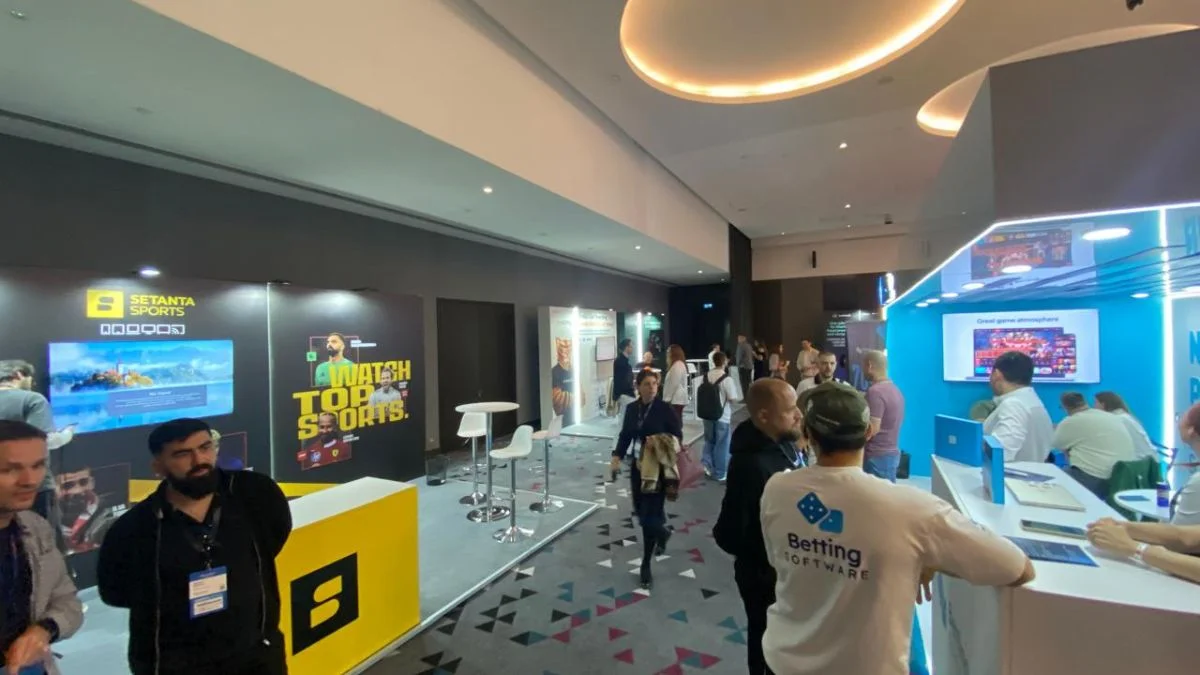
On the show floor, Day 2 was bustling. Tech vendors, platform providers, payment solution firms and affiliates all had a chance to showcase live demos.
Scenes included:
- Payment-tech tables where the question was: “How quickly can you onboard a new market?”
- New formats being demoed: skill-based competitions, community-driven game pools, esports betting engines.
- Operator lounges where informal chats turned into “we’ll work together” commitments.
The mood: pragmatic optimism. Attendees weren’t just there to listen they were there to buy, partner, explore. The expo floor helped convert ideas into concrete next steps.
Un-Conference Moments: Networking, Conversations & Deals

Some of the richest content happened away from the stage. Over coffee, in the corridors, at the lunch tables connections were formed, ideas bounced around, deals seeded.
Memorable moments:
- A casual chat between a Georgian operator and an affiliate from India that ended with “Let’s test a pilot in this region”.
- A payment-provider booth where someone asked “What’s your approach to KYC in this region?”, and the reply spawned a longer discussion about regulatory divergence and consumer trust.
- Two startups pitched each other in the hallway one had AI for personalisation, the other had gamified reward systems and they decided to explore a joint product.
These “hallway” conversations reaffirmed one thing: at events like this, business happens between sessions.
Closing Night: Wrapping Up with Style
As the sun set over Tbilisi, attendees gathered for the official closing networking party. The vibe was relaxed, celebratory and full of energy. Following two tense business days, people shook hands over late-night chats and laughter, and exchanged business cards for cocktails.
The summit was more than just a conference; it was a gathering of minds, the creation of new alliances, and a sneak peek at what lies ahead in this area. Venues such as the city’s creative centres hosted the event.
Conclusion

Day 2 of SBC Summit Tbilisi 2025 delivered in full. From sports-gaming partnerships to gamification, from regional insights to real-time deals, the day balanced thought leadership with actionable content.
If Day 1 set the stage, Day 2 made the play. And while the lights may dim on this edition, the connections and momentum will carry on.
Here’s to the future of iGaming in Eastern Europe & Central Asia bright, dynamic and full of promise.
Also Read: SBC Summit Tbilisi 2025 Day 1 Recap: Growth And Tech Focus