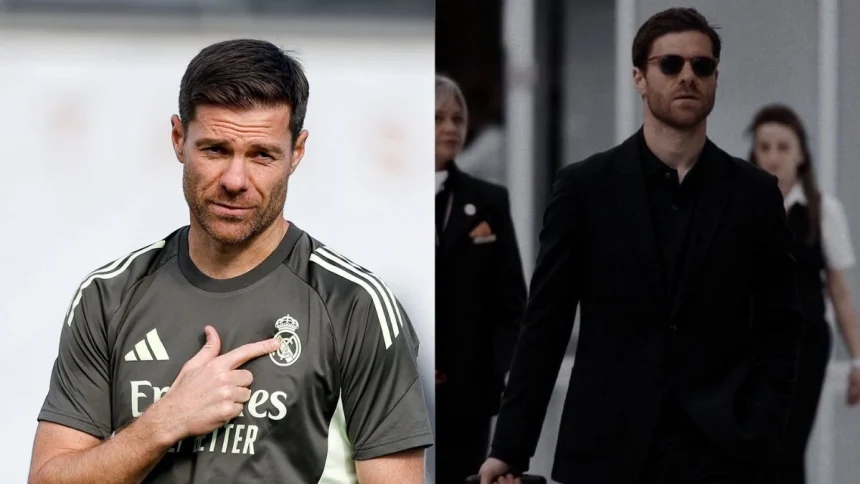
How Xabi Alonso Broke Down Barcelona’s Play to Win El Clásico
Xabi Alonso’s Real Madrid produced a measured, tactical performance to beat Barcelona 2-1 at the Santiago Bernabéu.
The victory owed much to Madrid’s ability to convert midfield control and quick transitions into clear scoring moments, Kylian Mbappé and Jude Bellingham combined for the goals, while Barcelona’s reply came after an error from Arda Güler that Fermín López punished.
Alonso’s gameplan mixed targeted pressing, smart use of wide channels and calm game management after taking the lead. Below is a focused analysis of the adjustments and match actions, using the match facts already available, that allowed Madrid to stifle Barcelona’s usual patterns and win the fixture.
The Central Idea: Control the Middle, Force the Errors
At the core of Alonso’s approach was control of the central areas. Jude Bellingham’s influence, both in creating Mbappé’s opening opportunity and in scoring the second, highlights how Madrid made the centre of the park their primary battleground. By dominating midfield moments, Real Madrid limited Barcelona’s creative players from finding rhythm and forced them into riskier plays that led to turnovers, such as the Arda Güler mistake which directly produced Barcelona’s goal for Fermín López.
Controlling central tempo had two benefits. First, it enabled Madrid to build quicker vertical transitions toward Mbappé and Vinícius Júnior, exploiting spaces behind Barca’s advanced lines. Second, it compressed the space available to Barcelona’s midfield link players, making their possession sterile more often than dangerous.
Pressing Triggers: Why Barcelona Couldn’t Build Comfortably
Alonso’s side selected pressing triggers carefully rather than pressing constantly. The key trigger moments were:
- When the ball was played out to Barcelona full-backs or wide positions.
- When there was a short pass out from defence aimed at restarting Barcelona’s rhythm.
In those moments Madrid’s forwards and midfielders stepped out aggressively to close down the receiver and cut off the obvious forward passing lane. The pressing was surgical, it aimed to force hurried clearances or sideways passes, increasing the chance of a mistake in a dangerous zone.
This strategy paid dividends: Barcelona were repeatedly pushed into long clearances or hurried passes that ended with Madrid regaining possession higher up the pitch. Those turnovers created the rapid vertical moments that Mbappé and Bellingham exploited.

The Bellingham-Mbappé Axis: Directness + Precision
The match underlined a simple truth, when Bellingham and Mbappé linked well, Madrid hurt Barcelona. Bellingham’s capacity to carry the ball into the final third, combine with teammates and make late runs created problems for Barca’s defenders.
Mbappé’s finishing and movement provided the focal point for Madrid’s attacks: the opener (Mbappé’s finish following Bellingham’s through-ball) was a textbook example of quick vertical link-up finishing the press-led turnover.
Bellingham’s movement also dragged Barca midfielders out of position at times, which opened channels for Vinícius and created the overloads that eventually led to the decisive moments. That blend of vertical directness and clinical finishing was central to Alonso’s plan.
Wide Play and Transition: Vinícius’ Role
Vinícius Júnior stretched Barcelona’s defence with direct wing runs and pace. By hugging wide areas and taking on defenders, Vinícius occupied defenders and created isolation situations where Madrid could either deliver crosses or cut inside on the counter.
The threat he posed forced Barca to keep an extra body on the flank, which in turn loosened their central compactness and allowed Madrid’s midfield runners to find more space between the lines.
After takeovers from pressing wins, Madrid transitioned quickly, often moving the ball in one or two passes to the feet of a forward runner. Vinícius’ timing and speed made him the most natural outlet in those transitions.
Read More

Forcing Barcelona Wide and Punishing the Mistakes
Rather than allowing Barcelona to play comfortably through the centre, Madrid often guided play toward the wings. That tactical funneling achieved two outcomes:
- It reduced the quality of Barcelona’s possession (more lateral passes, fewer incisive central passes).
- It increased the likelihood of turnovers in less dangerous locations that Madrid could immediately attack.
The match’s only Barcelona goal exemplifies the danger of such errors: an unforced error by Arda Güler was seized upon by Fermín López. That sequence underlines how a plan built on forcing and then punishing mistakes can produce both important opportunities and costly lapses for the opponent.
Game Management After the Lead
Once Madrid regained the lead before half-time, Alonso’s side showed clear game management. They combined disciplined defensive structure with selective pressing, pressing when necessary, but otherwise shifting into a compact block that made central penetration difficult for Barcelona. In practical terms this meant:
- Madrid protected the channels inside the box and remained narrow when defending transitions.
- They allowed Barcelona possession in non-threatening zones, minimising risk and protecting passing lanes into dangerous areas.
This approach reduced Barcelona’s ability to generate high-quality chances. Even when Madrid conceded a penalty opportunity later (which Mbappé took but Szczęsny saved), the side’s overall organisation meant Barcelona could not sustain momentum.
Discipline and the Impact of Cards
The match’s tension spilled into discipline: Pedri received a second yellow late on and was sent off, reducing Barcelona’s capacity to chase the result. That dismissal altered the final phase of the match and aided Madrid’s ability to see out the win. Alonso’s players remained composed enough not to invite further complications while protecting the scoreline, which is a hallmark of experienced game management.
What Alonso Adjusted Mid-Game
From the match facts available, the decisive aspects of Alonso’s in-game adjustments were:
- Increasing the vertical tempo immediately after regaining the lead, asking players to transition faster after turnovers.
- Encouraging Bellingham to make more forward runs into the box, runs that created the second (and that helped link play for Mbappé).
- Maintaining selective pressing on Barcelona’s outlets (full-backs and certain midfield receivers) rather than an all-out press, which conserved energy and reduced exposure to dangerous counters.
These tweaks sharpened Madrid’s threat without compromising defensive stability.
Why Barcelona Struggled to Respond
Barcelona’s issues in this match were a combination of forced errors, limited space in central areas and reduced options when regaining possession. Their dependence on intricate build-up was undermined by Madrid’s triggers and central dominance. Even when they kept possession, the passages lacked penetration; the key moments came from Madrid’s incisive counters rather than Barcelona’s constructed moves.
Barcelona’s penalty-saving moment from Wojciech Szczęsny and Fermín López’s opportunism were notable, but overall the team rarely created sustained high-quality sequences that threatened Madrid’s structure once the hosts took control.
Rooted in Control and Transition
Xabi Alonso’s plan succeeded because it married midfield control, selective pressing and rapid transitions. The Bellingham-Mbappé partnership supplied the cutting edge; Vinícius supplied width and pace, Madrid’s discipline after the lead allowed them to manage the game and limit Barcelona’s chances. Errors by Barcelona were punished, and the match proved how a controlled, adaptable tactical approach can overturn possession-based dominance.
This El Clásico was not decided by flair alone but by planning: pressing at the right moments, forcing mistakes, and exploiting the spaces created in transition.
FAQs
Q1. Which Madrid players were central to the tactical plan?
A1. Jude Bellingham (midfield control and goal), Kylian Mbappé (finish and movement) and Vinícius Júnior (width and transition threat) were the primary match-deciders.
Q2. How did Barcelona score their goal?
A2. Fermín López scored after an error from Arda Güler, capitalising on a defensive mistake.
Q3. Did penalties or red cards influence the game?
A3. Madrid missed a second-half penalty (saved by Wojciech Szczęsny). Barcelona’s Pedri received a second yellow late on, which reduced Barcelona’s ability to press for an equaliser.
Q4. What pressing triggers did Madrid use?
A4. Madrid pressed mainly when Barcelona played to wide defenders or attempted short build-ups from the back, forcing hurried passes or clearances.
Q5. What does this win say about Xabi Alonso?
A5. The result underlines Alonso’s tactical savvy: he prepared a focused plan, made targeted in-game tweaks and managed the match tempo to secure a vital El Clásico win.
Also Read- PKL 12 Playoffs: Full Schedule, Teams, Format, Where To Watch