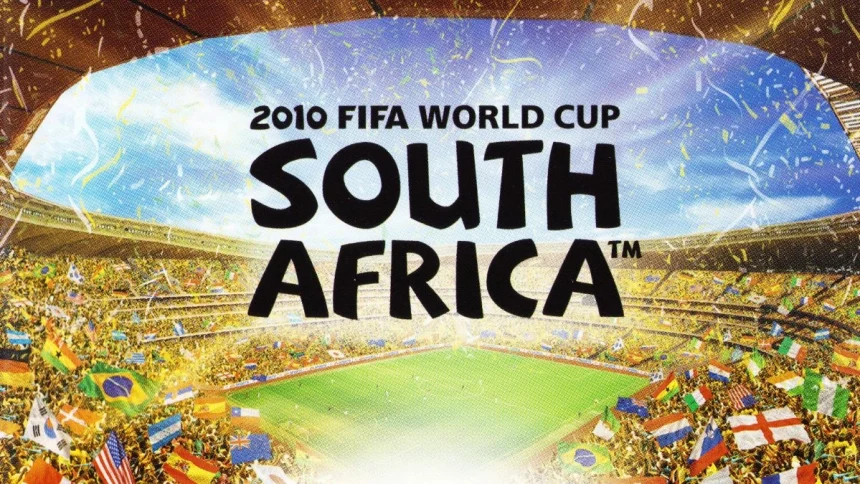
How the 2010 World Cup Changed Football Forever
The 2010 FIFA World Cup was more than a sporting event, it was a cultural milestone. Held in South Africa, it became a global celebration of unity, music, and identity. But beyond the noise of the vuvuzelas and the rhythm of “Waka Waka,” the tournament transformed football in ways that still resonate today.
Let’s explore how the 2010 World Cup changed football forever, tactically, technologically, and emotionally.
A Historic First for Africa
South Africa became the first African nation to host the World Cup, marking a symbolic victory for an entire continent. It showcased Africa’s passion for football to billions of viewers worldwide.
The tournament’s success proved that Africa could host a major global event with excellence, paving the way for greater representation in football governance and international tournaments.
Spain’s Tiki-Taka Revolution
The 2010 World Cup crowned Spain as champions, their first in history and changed the way the world understood football tactics.
Read More

Spain’s tiki-taka, led by Xavi, Iniesta, and Busquets, prioritized possession, precision, and patience over raw physicality. The style influenced clubs and national teams worldwide, especially Barcelona, who perfected it under Pep Guardiola.
It was a triumph of technique and intelligence and it inspired a generation of coaches to prioritize ball control and spatial awareness.
Rise of Defensive Organisation and Pressing
While Spain dominated possession, the 2010 World Cup also highlighted the rise of compact defending and counter-pressing. Teams like Germany, Uruguay, and the Netherlands introduced modern defensive systems that emphasized teamwork and structure.
The tournament served as a tactical laboratory, setting the stage for the pressing revolution seen in modern football with managers like Klopp, Tuchel, and Nagelsmann.
Goal-Line Technology and the Push for VAR
The infamous Lampard “ghost goal” against Germany, where a clear goal was not awarded, sparked a global debate about fairness and technology in football.
That single moment became a catalyst for introducing goal-line technology and later VAR (Video Assistant Referee) in international competitions. Without the 2010 controversy, football’s technological evolution might have taken years longer.
The Power of Global Culture and Music
“Waka Waka (This Time for Africa)” by Shakira and the unforgettable sound of the vuvuzela became cultural icons of the 2010 World Cup.
For the first time, the tournament blended sport with global pop culture in a way that transcended football. Fans around the world connected through music, rhythm, and emotion, proving that football was more than a game; it was a shared human experience.
The Emergence of New Stars
The 2010 tournament introduced a new generation of football stars. Thomas Müller, Mesut Özil, Luis Suárez, and Andrés Iniesta made global breakthroughs. Iniesta’s winning goal in the final remains one of the most emotional moments in football history.

The World Cup became a launchpad for careers that would shape the next decade of European football.
The Legacy of Unity and Representation
Perhaps the most lasting legacy of 2010 is emotional rather than tactical. South Africa’s World Cup represented hope, unity, and the power of inclusion.
It showcased how football could heal, inspire, and unite. The iconic scenes of Nelson Mandela’s appearance and fans celebrating across Africa symbolized a sport that truly belonged to everyone.
How Football Changed After 2010
- Technology: Goal-line tech and VAR became standard.
- Tactics: Possession football spread globally.
- Culture: Football became a platform for social expression.
- Representation: Greater belief in developing nations hosting global tournaments.
The 2010 World Cup didn’t just create memories, it redefined football’s future.
FAQs
Q1. Where was the 2010 FIFA World Cup held?
A. It was hosted by South Africa, the first time the tournament took place in Africa.
Q2. Who won the 2010 World Cup?
A. Spain won their first-ever title, defeating the Netherlands 1-0 in the final.
Q3. Why is the 2010 World Cup considered historic?
A. It changed football tactically, technologically, and culturally, from tiki-taka to VAR.
Q4. What song became the anthem of the 2010 World Cup?
A. “Waka Waka (This Time for Africa)” by Shakira became the tournament’s anthem.
Q5. What was the biggest controversy of the tournament?
A. Frank Lampard’s disallowed goal against Germany sparked the introduction of goal-line technology.
Also Read- Where To Watch Liverpool Vs Crystal Palace EFL Cup Match Live: TV And Streaming Guide