How Football Clubs Became Global Media Brands
Modern football clubs are no longer just about winning matches, they’re about winning audiences. In 2025, the biggest football clubs operate like global entertainment brands, producing digital content, launching fashion collaborations, managing streaming channels, and competing for fan engagement as much as trophies.
Clubs like Real Madrid, Manchester City, Barcelona, and Inter Miami are now digital-first organisations. Their business models depend not only on broadcasting deals or ticket sales, but on how successfully they build and monetize their global fanbases.
This transformation has redefined what it means to be a football club in the 21st century.
The Digital Transformation of Football
Over the last decade, football has undergone a complete digital evolution.
What began as basic social media promotion has turned into a multi-billion-dollar content ecosystem. Football clubs have become publishers, broadcasters, and influencers rolled into one.
- Real Madrid TV broadcasts 24/7 to millions globally.
- Manchester City runs a full in-house media studio producing hundreds of branded videos per month.
- Inter Miami uses Messi’s global presence to drive record-breaking social growth, surpassing 15 million followers within a year of his arrival.
This is not marketing, it’s media ownership. Clubs are now their own production companies, dictating how fans see their stories.
Social Media: The New Stadium
In today’s football economy, attention is currency.
Clubs have realized that a viral post can sometimes have more value than a match ticket. Social media platforms, Instagram, TikTok, YouTube, and X, have become digital stadiums, hosting billions of fan interactions every season.
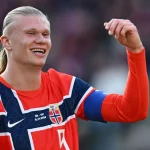
According to recent analytics:
- Real Madrid and Barcelona each generate over 2 billion annual social interactions.
- Premier League clubs collectively reach over 1.2 billion global followers.
- Clubs like Paris Saint-Germain and Inter Miami have seen explosive follower growth, largely due to superstar signings.
This digital reach translates directly into sponsorship value. Global brands now choose clubs not just for their trophies, but for their audience engagement metrics.
The New Content Economy
The biggest clubs have realized that they don’t just play football, they produce content.
From YouTube documentaries to behind-the-scenes series, clubs are investing in storytelling. Examples include:
- Manchester City’s “All or Nothing” on Amazon Prime, which redefined football documentary success.
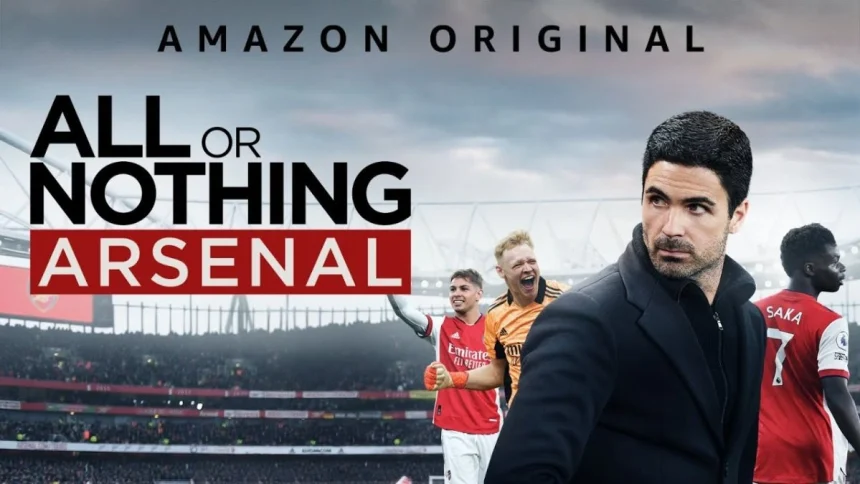
- Arsenal’s docuseries, giving fans an inside look at player relationships and management.
- Barcelona’s YouTube strategy, producing multilingual content for global fans.
Clubs have effectively become entertainment companies, turning fans into subscribers, data points, and loyal brand consumers.
Every training session, press conference, and player announcement is a media event, optimized for digital engagement and sponsorship exposure.

Globalization of Fanbases
Football’s global appeal has created fans in markets that never hosted professional leagues.
- Asia, Africa, and North America are now the biggest growth regions for European clubs.
- Manchester United has more followers in India than in England.
- Real Madrid’s content is localized in over 10 languages, including Hindi, Arabic, and Chinese.
This global focus is why clubs are touring new continents every pre-season, not just for fitness, but for market expansion.
Each summer tour doubles as a brand campaign, selling merchandise, memberships, and broadcast subscriptions to fans thousands of miles away.
Fashion, Music, and Lifestyle: The Crossover Era
Football culture has merged with fashion and lifestyle, making clubs central figures in youth culture.
- Barcelona x Spotify: A commercial partnership blending music and sport, with player playlists and artist jerseys.
- PSG x Dior: A luxury collaboration that turned a football team into a fashion statement.
- AC Milan x Off-White: A bridge between high fashion and Italian football heritage.
These collaborations aren’t just sponsorships, they’re identity alignments. Clubs now influence how fans dress, listen, and express themselves.
The rise of social media has accelerated this, players are now fashion icons, and clubs are platforms for cultural influence beyond sport.
The Power of Player Branding
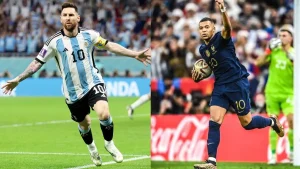
Superstars like Lionel Messi, Kylian Mbappé, Cristiano Ronaldo, and Jude Bellingham aren’t just athletes, they’re personal brands.
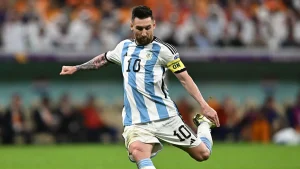
When a player joins a club, they bring millions of followers and global visibility. That’s why signings like Messi’s move to Inter Miami or Ronaldo’s to Al Nassr have transformed clubs overnight.
For Inter Miami, Messi’s signing turned the club into a global digital brand almost instantly, with shirt sales, streaming numbers, and social media engagement breaking all previous MLS records.
Clubs now evaluate signings not only for their football value, but also for their brand equity.
How Clubs Monetize Their Global Media Power
Modern football clubs use several digital revenue streams that didn’t exist a decade ago:
- Content Subscriptions – Exclusive interviews, training videos, and match replays available through official apps or membership tiers.
- Digital Sponsorships – Brands integrated into online content and social posts.
- E-commerce & NFTs – Selling exclusive merchandise, collectibles, and digital memorabilia.
- Streaming Partnerships – Clubs collaborating directly with platforms like Amazon Prime or Apple TV.
- Data Monetization – Using fan data to personalize advertising and engagement.
The future of football revenue is digital and clubs that master storytelling and content distribution will dominate both on and off the pitch.
What’s Next: The Future of Football as Media
The next stage of football’s evolution will be decentralized fan engagement.
Expect clubs to launch:
- In-house streaming apps (cutting out third-party broadcasters)
- Fan token programs for voting rights and exclusive access
- AI-driven personalization, offering fans tailored highlights and content based on their preferences
In the near future, clubs will act as global entertainment ecosystems, producing sports, fashion, film, and music content under one brand identity.
The transformation of football clubs into global media brands has rewritten the business of the sport. Clubs like Real Madrid, , PSG, and Inter Miami are no longer confined to 90-minute matches they are 24/7 content engines.
This evolution has expanded football’s global audience, merged it with entertainment, and turned clubs into billion-dollar cultural institutions.
As we head toward the 2026 World Cup and the next wave of football globalization, the line between sport and media will blur even further and the world’s biggest clubs will be at the center of it.
FAQs
Q1. Why are football clubs focusing on media and content?
A. Because digital engagement now drives revenue, sponsorship, and global fan growth more than ticket sales.
Q2. Which football club has the largest social media following?
A. Real Madrid currently leads globally, followed closely by Barcelona.
Q3. How has Lionel Messi changed Inter Miami’s brand?
A. Messi’s arrival turned Inter Miami into a global digital brand, driving record engagement and merchandise sales.
Q4. Are clubs replacing broadcasters with their own platforms?
A. Yes, many clubs are moving toward in-house streaming and subscription-based content models.
Q5. What’s next for football’s digital evolution?
A. AI-driven personalization, interactive fan experiences, and deeper integration with fashion and entertainment industries.
Also Read- Iconic Footballers Who Will Likely Play Their Last World Cup In 2026