Angola vs Zimbabwe Match Report: AFCON 2025 Group B Clash Ends Level
Angola and Zimbabwe shared the points in a tightly contested Group B encounter at the Africa Cup of Nations 2025, as the two sides played out a 1-1 draw in Marrakech. With both teams coming into the match after opening-day defeats, the fixture carried significant importance for their hopes of progressing to the knockout stage.
The match delivered intensity, tactical discipline, and moments of quality from both sides. Angola enjoyed greater control of the ball and dictated large spells of the game, while Zimbabwe showed resilience and composure to respond at a crucial moment. By full time, neither team could find a decisive second goal, leaving both with one point after two group matches.
Match Context and Group B Situation
This Group B fixture was crucial for both sides following difficult starts to their AFCON 2025 campaigns. Angola had suffered defeat in their opening match, while Zimbabwe also entered the contest without points. As a result, the game carried added pressure, with neither team able to afford another loss.
From the opening minutes, it was clear that both teams approached the match with caution. Angola aimed to control possession and build through midfield, while Zimbabwe focused on maintaining defensive shape and looking for opportunities on the counterattack. The balance between ambition and risk defined the overall rhythm of the contest.
First Half Overview: Goals and Momentum Shifts
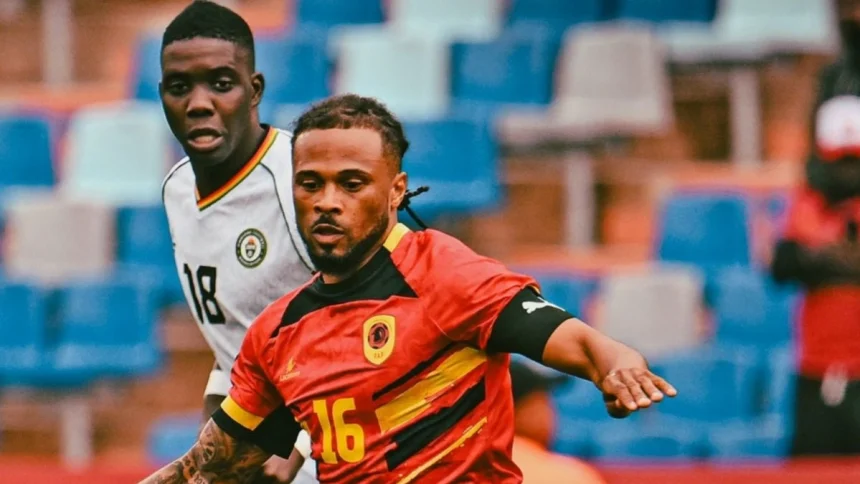
The first half produced both goals and set the tone for an evenly matched contest. Angola started strongly, pressing high and circulating the ball confidently across the pitch. Their approach paid off midway through the first half when they took the lead through Gelson Dala.
Read More

Dala showed composure inside the penalty area, finishing calmly to give Angola a deserved 1-0 advantage. The goal reflected Angola’s positive start and their ability to convert sustained pressure into a tangible reward. After taking the lead, Angola continued to dominate possession and looked capable of extending their advantage before the break.
However, Zimbabwe responded with determination and discipline. Rather than retreating, they gradually grew into the game and began to exploit spaces left by Angola’s advancing full-backs. Their persistence was rewarded in first-half added time when Knowledge Musona equalised. The goal came at a vital moment, ensuring Zimbabwe went into the interval level and shifting the momentum heading into the second half.
Second Half Analysis: Control Without a Winner
The second half saw a continuation of Angola’s control in terms of possession, but Zimbabwe’s defensive organisation made it difficult for clear chances to emerge. Angola attempted to increase the tempo, pushing midfielders higher up the pitch and committing more players forward.
Zimbabwe, meanwhile, remained compact and disciplined, absorbing pressure and breaking forward when opportunities arose. Their approach limited Angola to shots from less dangerous areas and reduced the number of clear-cut chances inside the box. Despite Angola’s territorial dominance, Zimbabwe’s defensive structure proved effective.
As the match progressed, both sides made tactical adjustments in search of a winning goal. Angola introduced fresh attacking options to maintain intensity, while Zimbabwe focused on managing the game and preserving energy for counterattacks. However, neither side was able to find the decisive moment, and the match ended in a 1-1 draw.
Tactical Breakdown and Team Approaches
Angola lined up in a 4-2-3-1 formation, which allowed them to dominate midfield possession and support their lone striker effectively. Their double pivot provided stability, while the attacking midfielders aimed to create overloads in wide areas. This setup enabled Angola to control the pace of the game, particularly in the first half.
Zimbabwe also adopted a structured approach, using a similar formation to maintain balance across the pitch. Their emphasis was on defensive solidity and quick transitions. By keeping their lines compact, Zimbabwe reduced the space available to Angola’s attackers and forced them into patient build-up play.
The tactical battle highlighted Angola’s technical quality and Zimbabwe’s organisational strength. While Angola controlled the ball for long periods, Zimbabwe’s game management and timely equaliser ensured they remained competitive throughout.
Key Performers and Influential Moments
Gelson Dala was a standout performer for Angola, not only for his opening goal but also for his movement and link-up play in the final third. His ability to find space and create opportunities made him a constant threat to the Zimbabwe defence.

For Zimbabwe, Knowledge Musona’s equalising goal was the defining moment of the match. His experience and composure under pressure proved invaluable, and his leadership helped Zimbabwe remain focused during difficult spells. The defensive unit also deserves credit for maintaining discipline and limiting Angola’s chances in the second half.
Midfield battles played a significant role in shaping the match. Angola’s midfielders worked hard to recycle possession and dictate tempo, while Zimbabwe’s midfield focused on disrupting rhythm and protecting the back line. This contrast contributed to a balanced and competitive encounter.
Discipline, Physicality, and Game Flow
The match featured a physical contest in midfield, with both teams committed to winning second balls and disrupting opposition play. Fouls were frequent, particularly in the second half, as the intensity increased and both sides pushed for a winner.
Despite the physical nature of the contest, the match remained controlled, with neither team losing discipline. This allowed the game to flow relatively smoothly and ensured that tactical structure remained central to the contest rather than emotional reactions or unnecessary disruptions.
Group Implications After the Draw
The 1-1 draw leaves both Angola and Zimbabwe with one point from two matches in Group B. While the result keeps qualification hopes alive for both teams, it also means that their margin for error has narrowed significantly.
With stronger teams still to be faced in the group, both Angola and Zimbabwe will likely need a positive result in their final group match to have a realistic chance of advancing to the knockout stages. Goal difference and overall performance could also play a decisive role in determining qualification.
What This Result Means for Angola
For Angola, the draw highlighted both strengths and areas for improvement. Their ability to control possession and create scoring opportunities is encouraging, but the inability to convert dominance into victories remains a concern. Defensive concentration, particularly late in halves, will need to improve if they are to progress further in the tournament.
Angola’s technical quality and tactical structure suggest they are capable of competing at this level. However, turning control into consistent results will be key in their remaining group fixture.
What This Result Means for Zimbabwe
Zimbabwe will take confidence from their resilience and ability to respond under pressure. Scoring at a crucial moment before half-time demonstrated mental strength and belief. Their defensive organisation and discipline were also major positives.
Moving forward, Zimbabwe may look to be more clinical when counterattacking and aim to create more clear chances. While their approach was effective in securing a point, a more assertive attacking display may be required in their final group match.
The Angola vs Zimbabwe clash at AFCON 2025 delivered a balanced and competitive contest that reflected the importance of the occasion. Angola’s control and attacking intent were matched by Zimbabwe’s resilience and tactical discipline, resulting in a fair 1-1 draw.
As Group B continues to unfold, both teams remain in contention but face decisive challenges ahead. This match served as a reminder that fine margins often define success at the Africa Cup of Nations, where organisation, composure, and timely moments of quality can shape tournament journeys.
Also Read- Ruben Amorim Explains Kobbie Mainoo’s Role At Manchester United Amid Loan Speculation