

In the 1990s, Indian football had a stronger identity and recognition, led by players like Bhaichung Bhutia, IM Vijayan, Jo Paul Ancheri, and Bruno Coutinho. India reached its best FIFA ranking of 94 in 1996, reflecting solid Asian competitiveness and regular regional success. By 2026, despite players such as
Sunil Chhetri, Sandesh Jhingan, and Gurpreet Singh Sandhu are carrying the team; India’s FIFA ranking dropped to around 142. While South Asian dominance continued, failures in World Cup and Asian Cup qualifiers exposed a gap between individual talent and overall footballing progress.
World Rankings Comparison: India Football
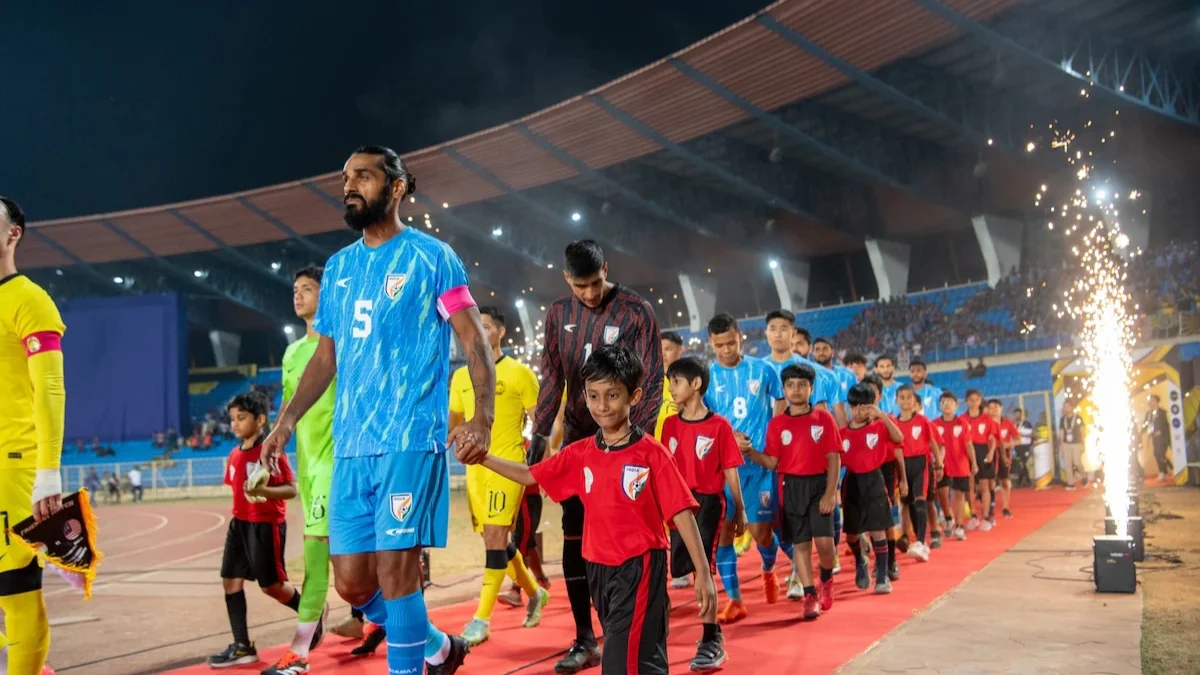
India’s football world rankings show a clear shift over time. In 1990, India stood around the 150 mark, yet remained competitive within Asia. The mid-1990s marked progress, as India reached its best-ever FIFA ranking of 94 in 1996, driven by strong regional performances. By 2000, rankings hovered near 120, maintaining stability.
However, by 2018, India slipped to the high 90s before a sharp fall. In late 2025 and early 2026, India ranked between 133 and 142. These trends raise a pressing question: Is Football a finished sport in India?
IPL vs ISL: Market Size, Money, and Fan Craze in India

Is Football a finished sport in India: Why?

Football in India is watched and played less today due to several interconnected reasons supported by clear trends and numbers. Cricket dominates the sports landscape, capturing nearly 90 percent of total sports viewership, while football remains under 10 percent. The IPL alone attracts over 450 million viewers each season, pushing football out of prime broadcast space.
On the performance side, India’s FIFA ranking fell from a high of 94 in 1996 to around 133–142 by 2025–26, reducing global relevance and fan excitement. Grassroots development also lags, with only about 20,000 to 25,000 registered football clubs compared to more than one lakh cricket academies nationwide.
Financial imbalance further hurts growth, as the ISL is valued below one billion dollars, while the IPL exceeds ten billion dollars, making cricket far more attractive for young athletes. Stadium attendance reflects this gap, with ISL matches averaging around 15,000 spectators, compared to 30,000 to 40,000 in the IPL. Together, these factors limit football’s reach, participation, and long-term momentum in India.
Steps to Revive Indian Football

Is Football a finished sport in India? The answer depends on the actions taken now. To uplift the game, the football federation must first strengthen grassroots and school-level football to expand the player base. Second, improving coaching education and referee standards will raise match quality.
Third, creating a clear pathway from youth leagues to professional clubs can prevent talent loss. Fourth, regular international exposure for age-group and senior teams is crucial for growth. Finally, transparent administration and long-term planning can attract sponsors and rebuild trust. Is Football a finished sport in India? Not if these practical reforms are implemented with commitment.
ALSO READ: Iconic Moments That Changed Golf