
India’s Olympic Preparation for Los Angeles 2028 has evolved into an ambitious national mission, blending grassroots talent hunts with elite athlete support systems, policy shifts, and fresh opportunities in the Olympic sporting arena. As the calendar edges closer to LA-28, stakeholders across federations, government bodies, coaches, and athletes are recalibrating strategies to convert potential into podium finishes on the Olympic stage. This piece examines how India’s preparations are shaping up, the disciplines where medal prospects are emerging, and why this Olympic cycle feels different from the ones before.
Building Blocks: India’s Olympic Preparation Takes Shape
The backbone of India’s Olympic Preparation has been a sustained push in structural support systems such as Target Olympic Podium Scheme (TOPS) and Khelo India programmes. TOPS identifies elite medal prospects and channels funding, coaching, performance science, and international exposure for athletes with proven potential on the world stage. By expanding to include promising juniors, TOPS ensures a pipeline that doesn’t dry up between one Olympics and the next. Meanwhile, the Khelo India Youth Games have become a fertile ground to unearth raw talent across regions previously overlooked, ensuring a larger base of athletes feed into elite training centers.
In tandem with these schemes, the 2025 National Sports Governance Act aims to professionalise sports administration with equitable governance standards across federations, a significant institutional move that underpins long-term Olympic Preparation.
Historic Sports and Trusted Medal Wellsprings
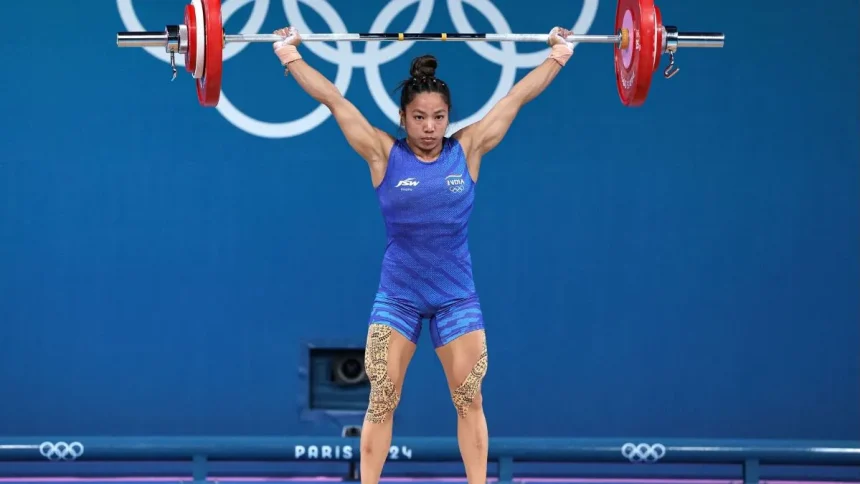
India’s Olympic Preparation has always leaned on certain sports where tradition meets talent. Wrestling, shooting, boxing, badminton, javelin throw, and weightlifting have been consistent contributors to India’s medal tally in recent global multi-sport events. Athletes like Mirabai Chanu, who has already stood on the Olympic podium, and top shooters and boxers remain strong medal contenders given dedicated resources and targeted preparation.
The wrestling circuit, for example, is now tapping grassroots clusters and rural talent spots, bringing forward athletes who might not have had access to high-performance environments previously. Reports suggest wrestlers from areas such as Uttar Pradesh could well be in the frame for Olympic medals, a direct outcome of systematic scouting and sustained competition exposure.
Fresh Frontiers: New Sports and Expanded Medal Routes
One of the most exciting elements of India’s Olympic Preparation for 2028 revolves around the expansion of the Olympic programme itself. Cricket, returning after a century, alongside compound archery and squash is set to make Olympic appearances. India’s deep cricketing culture and success across formats makes both the men’s and women’s teams plausible medal contenders in Los Angeles. Compound archery, where India has shown dominance at Asian and World Cup levels, could yield podium finishes too.
Squash’s Olympic debut, though presenting stiff global competition, represents a fresh branch of India’s Olympic Preparation tree, symbolizing how broader inclusion of sports can diversify potential gains and energize emerging talent pathways.
Event Format Shifts and Medal Opportunities
The LA-28 Olympic programme introduces changes that align with India’s emerging strengths. New mixed events and doubles formats, especially in table tennis, archery, and shooting, potentially increase medal opportunities by leveraging team cohesion and strategic pairings. Adjustments in shooting event formats also could play to the strengths of dynamic Indian shooters excelling under different pressure formats.
Science, Tech, and Talent Identification
Modernising India’s Olympic Preparation goes beyond traditional coaching. Federations are increasingly integrating sports science, biomechanics, nutrition, psychology, and performance analytics into training programmes. Early deployments of artificial intelligence in talent identification and fitness evaluation could help uncover athletes with rare physical and cognitive profiles ideal for Olympic success, especially in events where India hasn’t had a historical presence.
This blend of science and scouting offers a longer-term structural advantage, ensuring athletes develop on evidence-based protocols from junior levels to elite competition.
Hockey’s Resurgent Olympic Ambition
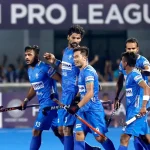
Field hockey remains an emblematic sport in India’s Olympic Preparation narrative. While the men’s team has shown glimpses of reclaiming top honours with robust performances in continental qualifiers and world competitions, the next three years are critical to nurturing squad depth and strategic robustness needed for a gold medal push on the Olympic stage.
Broader Vision for 2036 and Beyond
Strategic thinking around India’s Olympic Preparation isn’t confined to just 2028. Plans to host the 2036 Olympics and invest in a network of specialized high-performance centers underline a long-term vision where consistent medal hauls are a product of systemic excellence rather than episodic brilliance.
Also Read: The Forgotten Few: 4 Olympic Sports That Faded Away