
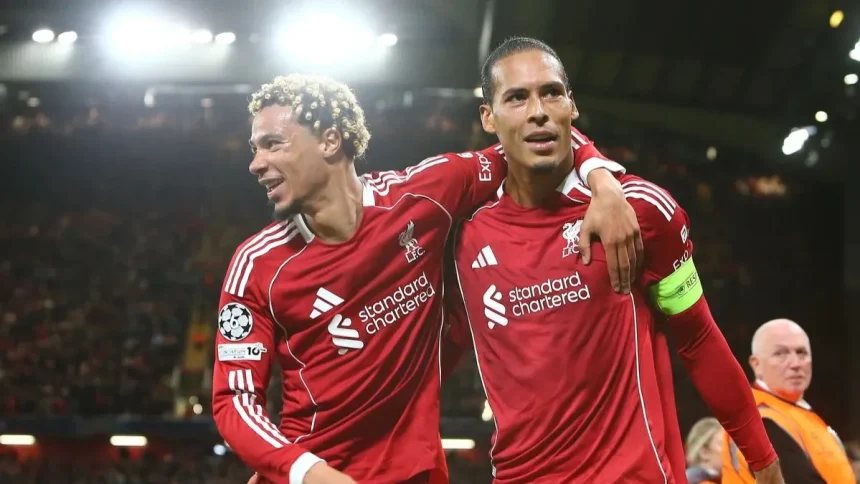
From the terraces of Anfield to tactical war rooms across Europe, Liverpool has become the blueprint for relentless, high-intensity pressing in modern football. The Reds’ brand of gegenpressing, perfected under Jurgen Klopp, reshaped how teams think about winning the ball back and attacking transitions. Yet with a managerial change and evolving tactical demands, the question looms large: can Liverpool’s signature pressing remain sustainable over the long haul without burning out players or diluting its effectiveness?
Liverpool’s Pressing DNA: What Made It So Fearsome?
At its core, Liverpool’s high-intensity press was about aggression and coordination. Klopp’s Reds aimed to win the ball within moments of losing it, suffocating opponents with waves of pressure across the pitch. Metrics from recent seasons showed Liverpool among the very top in pressures per 90 minutes and high turnovers, where regaining possession in dangerous zones directly translated into goals and scoring opportunities. The philosophy was simple yet brutal: disrupt, recover, and rip teams apart before they could settle into rhythm.
This demanding style required extraordinary levels of fitness, tactical intelligence, and cohesion. Every player had to buy into the press for it to function, from the forwards chasing every loose touch to midfielders squeezing passing lanes and defenses holding a high line to trap opponents. Liverpool didn’t just press, they forced errors and capitalised on them with lightning-quick counter transitions, earning them not only Premier League success but admiration as a benchmark for high-octane football.
The Arne Slot Era: Sustaining Intensity With Evolution
With Arne Slot now steering the ship, Liverpool’s commitment to pressing remains evident, but the implementation has evolved. Slot has publicly reaffirmed his belief in high pressing as part of the club’s identity, stating that Liverpool will continue to press high and build from the back, even when opponents come prepared to stifle tempo and disrupt rhythm.
However, the shift is subtle rather than seismic. Slot’s interpretation blends the old pressing ethos with strategic nuances, aiming for tactical flexibility that adapts to opponent behaviour. This means choosing when to press aggressively and when to temper intensity with possession control, especially when facing sides that thrive on drawing teams into an exhausting tactical chase. Such adaptability attempts to preserve Liverpool’s hallmark energy while managing physical demands across a grueling season.

Pressure Metrics: Cracks and Adjustments
Despite Liverpool’s continued dedication to high pressing, recent data suggests a drop in both the frequency and effectiveness of these actions. The team’s PPDA (Passes Per Defensive Action), a key indicator of pressing intensity, has risen compared to earlier seasons, suggesting opponents now enjoy more time on the ball before Liverpool engages. This shift reflects not only tactical adaptation but also the physical and mental toll of sustaining relentless pressure across fixtures.
Ball recoveries high up the pitch have also shown a downward trend compared to the days when Liverpool’s pressing machine functioned like a metronome. New players have struggled at times to fully assimilate the collective instincts required to press with synchronisation, and this has highlighted the delicate balance between individual quality and collective intensity.
Physical Demands and Squad Management
One inherent challenge of high-intensity pressing is the strain it places on player fitness. Covering ground, accelerating to close down opponents, and maintaining peak physical sharpness demands meticulous conditioning and squad rotation. Over a 38-game Premier League season, let alone domestic cups and European commitments, managers must guard against burnout and injury fatigue. While Liverpool’s training and sports science teams have been lauded for their work ethic, there are limits to how often players can sustain red-line intensity without compromising sharpness or risking physical breakdown over a long campaign.

Opposition Adaptation: Becoming Press-Proof
As Liverpool’s pressing became a benchmark, rival teams have studied and adapted to it. Tactical responses such as slower build-ups, targeted possession play, and structured low blocks are designed to sap the energy Liverpool seeks to impose. Some sides deliberately take the pace out of the game, forcing Liverpool to chase shadows rather than dictate play. Slot himself has acknowledged that certain opponents succeed by neutralizing tempo, challenging Liverpool to break games open without overextending physically.
This evolution in opponent strategies highlights a broader tactical arms race: pressing remains potent, but it must be paired with intelligence and adaptability. Against well-prepared teams, a rigid high press can be worn down or circumvented, exposing spaces and psychological frustration if not managed judiciously.
Youth, Rotation, and Long-Term Balance
One potential avenue for sustaining pressing intensity is integrating energetic youth and rotating intelligently. Slot’s faith in young talent, players accustomed to pressing from academy levels, points to Liverpool’s recognition that preserving energy and innovation is essential. Younger legs bring bursts of intensity, while rotation helps distribute load and sharpen collective focus.
At the same time, maintaining Liverpool’s identity means balancing pressing with strategic possession play. Slot’s emphasis on controlling play when necessary highlights a pragmatic evolution: pressing remains a core identity, but it’s no longer the sole determinant of success.
Discussing sustainability in this context goes beyond fitness, it encompasses tactical evolution, squad depth, and psychological resilience in the face of adaptation by rivals and the demands of elite competition.
Also Read: Cristiano Ronaldo Silences Doubts; Says, “I Belong To Saudi Arabia”