

Europe’s Elite Football clubs are at a pivotal moment in history. The UEFA Champions League has long been the ultimate arena where tactical sophistication, squad planning, and competitive ambitions collide. But in the post-Superstar era of continental competition, traditional blueprints for success are being reimagined. What worked for a decade may not guarantee glory in the next, and football’s greatest teams are asking themselves fundamental questions about identity, squad structure, youth development, and competitive balance.
From Galacticos to Team Architects: Shifting Building Blocks in Europe’s Elite Football
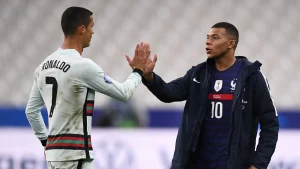
Not long ago, Europe’s Elite Football sides chased marquee names and household stars to fill trophy cabinets. The Galactico model, made famous in the early 2000s, emphasized headline signings as the route to European dominance. Today’s landscape, however, tells a different story. Recent performance-based rebuilds, particularly at clubs like Paris Saint-Germain, reveal a new priority: cohesion over celebrity. Following the exits of globally recognizable strikers, PSG pivoted towards a collective blueprint prioritizing disciplined tactical structure, defined roles, and young talent that fits a system rather than a brand image. This shift underlines a broader strategic reorientation: Europe’s Elite Football are investing in identity and adaptability as much as individual brilliance.
Smart Recruitment: Data, Discipline, and Long-Term Vision
Smart recruitment is now the currency of success. Clubs across Europe’s top competitions are employing a mix of advanced analytics, versatile player profiles, and developmental foresight to construct squads poised for sustained continental challenges. The blueprint increasingly favours players who are tactical chameleons, those equally at ease in intense pressing, positional play, and transition football, over one-dimensional stars. Such data-driven acquisition strategies have proven transformative especially for clubs like Bayern Munich and Liverpool, where analytic scouting and long-term planning underpin transfer decisions that extend beyond flashy headlines.
Youth and Experience: The New Duality in Elite Team Bringing
Europe’s Elite Football face a balancing act: integrating youthful exuberance with seasoned leadership. Strategic promoters of youth, like Barcelona’s surge of academy graduates into pivotal roles, reflect how elite clubs are harnessing internal pipelines to compete at the highest level while preserving financial balance. Meanwhile, success in Europe’s top competition increasingly depends on injecting experience into systems driven by pace and innovation. This duality, blending homegrown prospects with seasoned veterans, serves two functions: it accelerates development while offering stability in high-pressure scenarios where youthful optimism alone isn’t enough.
Tactical Evolution: Identity Beyond Individual Flair
Gone are the days when a superstar could mask structural weaknesses. Today, tactical coherence is paramount across Europe’s Elite Football. Coaches like Hansi Flick and emerging strategists are shaping teams around pressing mechanisms, fluid formations, and transitional efficiency. The new Champions League format, with more matches and a single league phase, demands adaptability, depth, and an ability to manage peaks and troughs throughout a longer campaign. Teams that prioritize tactical identity over individual flair tend to sustain performance over multiple competitions, highlighting the motivational shift in elite squad building.
Financial Caution Meets Competitive Ambition
Financial sustainability has moved front and center in roster building. Europe’s Elite Football clubs now operate under heightened fiscal scrutiny, with UEFA’s evolving revenue distribution and governance structures incentivizing smart budgeting and balanced books. Solidarity programs and financial reforms aim to reward clubs that consistently develop talent, giving elite sides a fresh incentive to invest in youth while safeguarding their long-term competitive standing. In this sense, club builders are not just planning for the next transfer window, they’re shaping institutions that can endure both success and challenge without jeopardizing future stability.
Psychological Culture: Less Pressure, More Purpose
Team building now integrates psychological resilience as a core pillar. As smaller clubs such as Bodø/Glimt demonstrate, emphasis on mental resilience, stress management, and collective mindset can propel teams with modest budgets into elite European competition. This cultural component, once relegated to the background, is now seen as essential for elite performance under Champions League pressure. Europe’s Elite Football clubs are adopting similar mental frameworks, acknowledging that tactical skill and physical prowess must be matched with psychological adaptability to thrive on the biggest stage.
Strategic Depth: Preparing for New Competitive Realities
With more games, tougher groups, and greater tactical diversity across Europe’s competitions, squad depth has become a defining factor. Elite clubs are pruning bloated rosters in favor of leaner, multifunctional teams capable of handling congested calendars. This approach enhances flexibility without compromising quality, a necessity in an era where injuries, rotation, and tactical surprises can swing tight Champions League ties.

Also Read: Why High-Press Football Is Losing Its Edge Across Europe’s Top Leagues?