
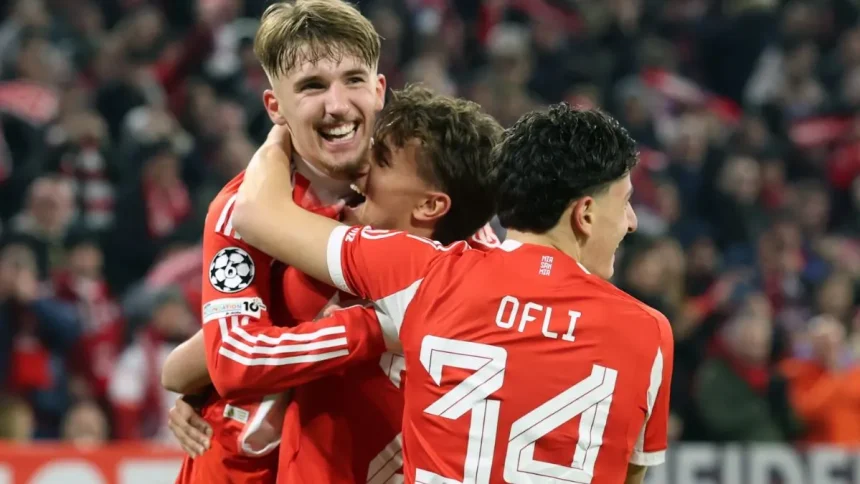
Bayern Munich’s European nights no longer feel like just physical duels where raw intensity decides winners. Instead, the Bavarian powerhouse is increasingly mastering the art of tempo control, a nuanced, possession-centric approach that dictates the rhythm, pace and psychological strain of high-stakes matches. From Champions League knockout ties to tactical battles against elite opposition, Bayern Munich’s latest evolution thrives on measured ball circulation, strategic tempo shifts and intelligent pacing that outmaneuvers opponents rather than racing them into submission.
Why Tempo Control Matters More Than All-Out Intensity
Traditionally, Bayern Munich’s identity was synonymous with relentless pressing, dynamic vertical runs and all-gas-full-throttle football that overwhelmed most Bundesliga opponents. However, Europe’s top clubs are too well-drilled and tactically flexible to be bullied by intensity alone. Instead, Bayern’s shift toward controlling tempo, the craft of managing possession phases, forcing opponents to chase the ball for longer periods, and choosing when to accelerate or slow down, has emerged as a core success driver on continental nights.
Focus on tempo control ensures that Bayern dictates the flow of play, preventing reactive ball turnovers and reducing opponent transition opportunities. This kind of possession psychology breaks opposition structure gradually, not just through force but through sustained authority on the ball.
Possession Supremacy: Bayern Munich’s European DNA
One of Bayern Munich’s most striking metrics in Europe is their dominant possession statistics. With average possession often well above 60 percent, a league-leading figure domestically that translates into controlled European ties, FCB uses the ball not merely to attack but to impose mental and tactical pressure on rivals.
By maintaining high possession, Bayern Munich forces opponents into uncomfortable defensive postures and creates strategic windows to exploit space. Rather than burning energy with constant high pressing, they pre-condition the match tempo, making it difficult for rivals to establish their own rhythm.

Transition Play Reimagined: Timing Over Energy
In the modern European game, explosive counterattacks are less about sprinting furiously and more about choosing the perfect moment to switch gears. Bayern Munich’s players, from midfield lynchpins like Joshua Kimmich to attackers like Harry Kane, now emphasize sharp transitions that emerge from controlled build-ups, not chaotic bursts of energy.
This means Bayern will often draw opponents forward before springing through balls or clipped switches that catch defenses off-balance. Tempo control, therefore, is not a passive strategy but an active one that blends patience with precision.
Pressure with Purpose: Intelligent High Pressing
While pure physical pressing remains in Bayern Munich’s arsenal, the emphasis is now on intelligent pressing linked to game tempo. Instead of sprinting after every turnover, players press in coordinated phases, often after drawing an opponent into a dangerous area or when a failed pass naturally disrupts opposition structure.

This method reduces unnecessary energy waste and increases pressing efficiency, allowing Bayern to regain possession in zones where they are likely to convert possession dominance into real goal threats. It’s a shift from random intensity sprees to focused, data-informed pressure moments.
Psychological Edge: Dictating Tempo for Control
One often overlooked benefit for Bayern Munich’s new approach is its psychological impact. Teams that chase the ball feel the weight of the clock more heavily, especially in knockout matches where time is a strategic factor. Holding the ball and controlling tempo forces rivals to react, increasing mental fatigue and tactical imprecision over time.
By managing tempo, Bayern creates a kind of match equilibrium where opponents are always a few steps behind rhythmically. This can be just as decisive as winning duels through sheer intensity.
Situational Tempo: When Bayern Accelerates
Controlling tempo does not mean playing slowly. On the contrary, Bayern Munich’s model is about measured acceleration: swift attacking bursts launched when spaces open up after deep possession phases. This quality in attack is enabled by Bayern’s technical superiority and tactical cohesion, allowing them to shift into faster modes at exactly the right moments — often resulting in decisive, high-quality goals.
Adaptation Against Europe’s Tactical Elite
European football requires adaptability as much as prowess. Bayern Munich’s evolving focus on tempo control allows them to tailor their pacing against different opposition styles, slowing down to suffocate possession-heavy rivals or accelerating to exploit gaps in teams that sit deep. This adaptability enhances Bayern’s tactical repertoire, reducing reliance on physical intensity that can diminish late in high-pressure matches.
Also Read: How Arsenal Made History in the First FIFA Women’s Champions Cup