If you thought F1 cars were all sipping the same petrol like buddies at a pit party, think again. The myth that all Formula 1 teams use identical fuel has been revving around for years, making fans believe it’s just plug-and-play across the grid. But in the high-stakes world of 2025 racing, fuel is a sneaky game-changer that adds real spice to the championship battles. So, let’s look at the truth, bust some myths, and see who’s fueling the frenzy right now.
Do All Formula 1 Teams Use The Same Fuel?
Short answer: Nope, not even close. Formula 1 teams partner with their own fuel supplier, crafting bespoke blends that meet strict FIA rules but pack unique punches. These aren’t your local gas station juices; these are sustainable E10 fuels (90% advanced fossil-free components, 10% ethanol) engineered for max power, efficiency, and reliability.
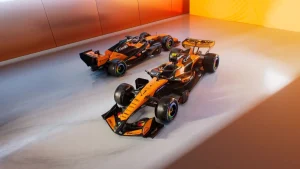
Formula 1 Teams tweak additives for better combustion, cooler temps, and that extra edge in overtakes or endurance. Max Verstappen’s Red Bull might guzzle something that lets him beast through corners, while McLaren’s papaya machines sip a mix optimised for their Merc power units. It’s all legal, but it’s far from uniform.
Busting the Myth
The myth exploded from the old days when fuel was more standardised, but in the post-2022 hybrid era? Forget it. Fans see identical spec engines from suppliers like Mercedes or Ferrari and assume fuel’s the same, wrong!
Regulations demand the same base energy density (about 43 MJ/kg), but suppliers like Aramco or Shell nerd out on molecular magic. No team swaps cans mid-season; it’s locked per contract.

This keeps the playing field level-ish, but clever chemistry can shave tenths off lap times. Remember Singapore 2024? Piastri’s win owed a nod to McLaren’s fuel tweaks, helping him nurse tyres. Pure cinema when one drop decides P1.
Who Supplies Fuel to Each Team Right Now?
Here are the fuel suppliers of the Formula 1 teams in 2026:
-
Red Bull: ExxonMobil.
-
Ferrari: Shell.
-
Mercedes: Petronas.
-
McLaren: Petronas.
-
Aston Martin: Honda.
-
Alpine: likely Petronas.
-
Williams: Petronas.
-
Haas: Shell.
-
Racing Bulls (VCARB): ExxonMobil.
-
Sauber (Audi in 2026): British Petroleum.
- Cadillac: Shell
Why This Rule?
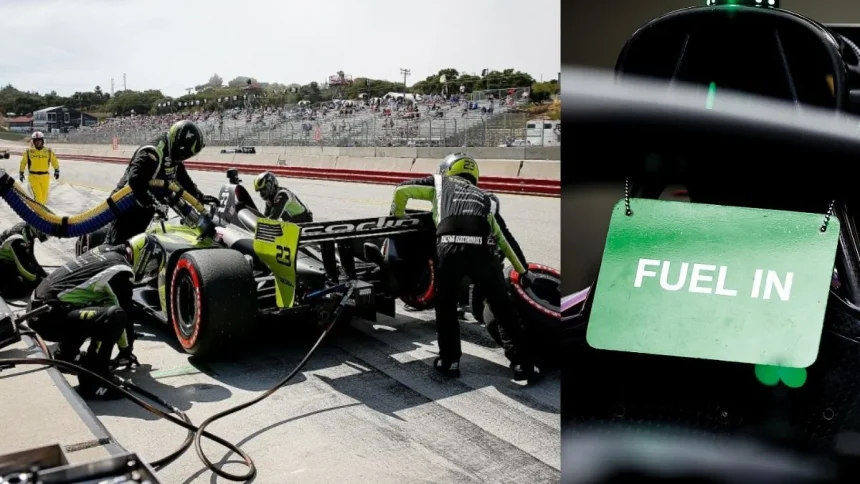
FIA mandates one supplier per team for fairness, no mid-race swaps or wild experiments that could turn Monaco into a fireball. It caps flow rates (100 kg max per race) and bans refuelling to cut costs and safety risks. But allowing custom fuels sparks innovation, rewarding R&D bucks. It’s the FIA’s way of saying “equal opportunity, unequal genius.”

Bottom line: Fuel’s no myth, it’s the silent hero (or villain) in F1’s drama. In 2026, as Verstappen hunts that fifth title, Norris tries to defend his title, and Piastri fights back. Watch those pit boards closely.
Also read: F1 Academy’s “Discover Your Drive” Campaign: How To Enter