

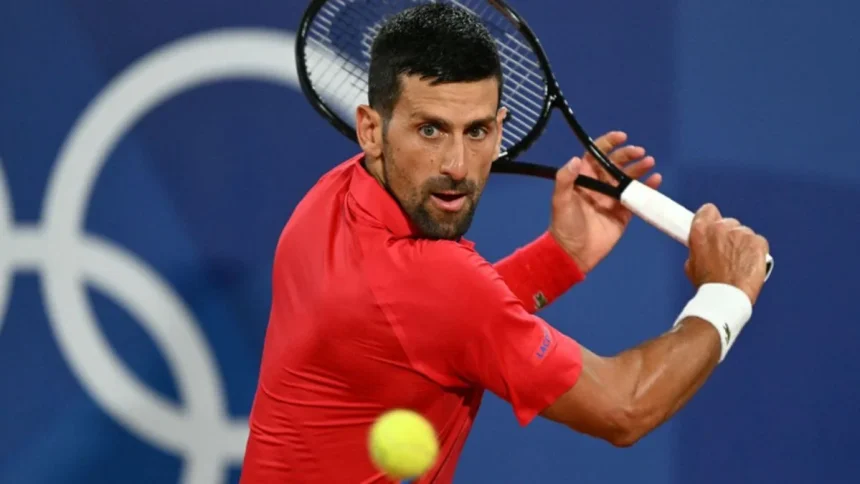
In elite tennis under the ATP Tour and WTA, the traditional idea that serve controls the point has been challenged by players who consistently win 30–40% of return points, effectively neutralizing serves that exceed 200 km/h. In matches structured as best-of-3 or best-of-5 sets to 6 games, breaking serve even 1–2 times per set is often enough to decide outcomes. That means return performance is not secondary. It is central. And it accumulates across time. With returns shaping the outcome of rallies, 1xBet app includes live betting features throughout the match.
Novak Djokovic built dominance on this principle, regularly winning over 35–40% of return points and converting more than 40% of break opportunities during peak seasons, which over a 3–4 hour match translates into multiple breaks. Instead of reacting, he redirects serves into deep neutral balls, forcing rallies from the first shot. It belongs to whoever stabilizes the point first. When return games become aggressive instead of defensive, app 1xBet offers access to match markets via mobile platform.
Why high-level returning systematically erodes serve advantage
When a returner consistently places the ball deep within 1–2 meters of the baseline, the server cannot execute an easy third shot, which removes the typical serve-plus-one advantage. That forces the server into a neutral rally instead of an attacking position. And over time, it shifts control of the point toward the returner.
The key mechanics behind this structure are clear:
- Matches played as best-of-3 or best-of-5 sets
- Sets built around 6 games with a 2-game margin
- Serve speeds often going beyond 200 km/h
- Return win rates around 30–40%
- Break conversion rates above 40%
- Match durations stretching from 2 to 4 hours
What this does is move the pressure away from single moments and spread it across every service game. It’s no longer about one decisive point, but about maintaining your level while waiting for small chances to appear. As matches stretch on, consistency starts to outweigh raw power. And even the smallest advantages begin to accumulate. Momentum doesn’t swing instantly. It builds step by step. Players have to stay mentally steady for long periods. And those who handle that pressure better usually take control by the end. And one drop in level can undo several games of solid play.
Read More


Also Read: IPL 2026 Playoffs Qualification Scenario Explained