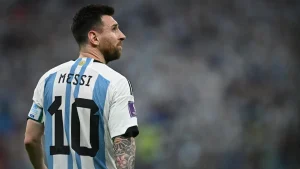

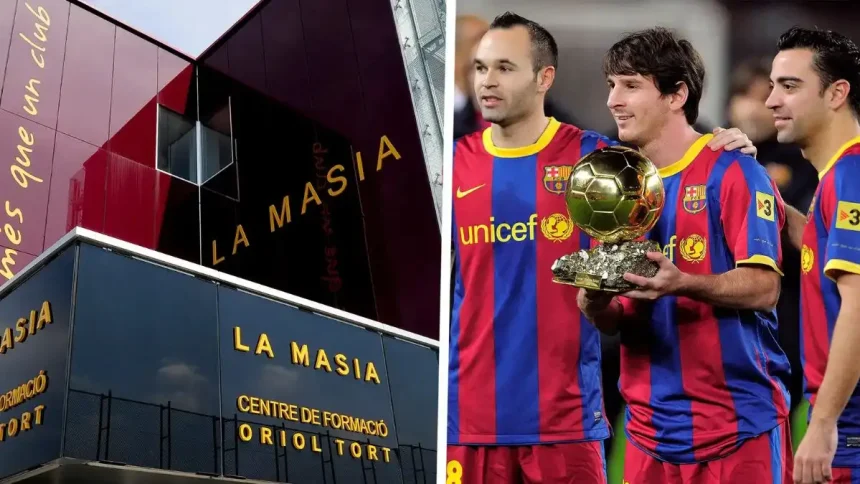
Few clubs on the planet have ever cultivated young talents with the consistency, prestige and impact that Barcelona has achieved through its famed La Masia academy. From the days of Lionel Messi, Xavi and Andrés Iniesta to the current crop of prodigies like Lamine Yamal and Pau Cubarsí, Barcelona’s investment in youth isn’t a nostalgic reminder of past glories, it’s a living, evolving philosophy that continues to influence how Europe’s elite clubs approach player development today.
The Barcelona Way: More Than Just an Academy
At the heart of Barcelona’s towering reputation is La Masia, the club’s youth development engine that produces technically gifted, tactically intelligent footballers in the mold of the Blaugrana identity. La Masia doesn’t simply train athletes; it instils a footballing DNA rooted in possession, spatial awareness and seamless transition play. This approach has made Barcelona synonymous with a unique brand of football that prioritizes football intelligence and adaptability from the earliest stages of a player’s career.
Unlike many clubs that rely heavily on transfer markets, Barcelona’s philosophy has consistently leaned toward ‘building’ rather than ‘buying’. This long-term strategy was born from both tradition and necessity, especially during financial tight spots that compelled the club to give opportunities to homegrown talent instead of expensive signings.
La Masia: The European Standard in Youth Output
Recent data underlines how effective Barcelona’s trust in youth has been. According to the CIES Football Observatory, Barcelona led all clubs in Europe in 2025 for the number of academy-trained players featuring in top-flight leagues across the continent, with 40 La Masia graduates appearing in major European competitions.
That impressive tally didn’t just reflect raw numbers; it demonstrated meaningful integration. Ten of those graduates were actively contributing to Barcelona’s first team, showing a commitment to giving these players regular minutes at the highest level, something few clubs outside the Catalan outfit are prepared to do.

This trend has had ripple effects beyond Spain. As clubs across the Premier League, Serie A, Bundesliga and Ligue 1 observe Barcelona’s model yielding results on and off the pitch, there’s increasing recognition that youth development isn’t just cost-effective but competitive in an age of inflated transfer fees and financial fair play constraints.
Philosophy Over Flash: How Barcelona Shapes the Modern Pro
The success of Barcelona’s youth isn’t accidental; it’s deeply philosophical. Players like Lamine Yamal, who has swiftly cemented his role in the first team, embody the kind of technical maturity that La Masia prioritizes: ball control, tactical awareness and the intelligence to read the game, not just physicality.
This emphasis on holistic development extends off the pitch, too. Barcelona has won recognition for its emotional education and personal development programs within La Masia, equipping young athletes with resilience, discipline and off-field maturity that modern football demands.

Influence Beyond Spain: Barcelona’s Blueprint in European Academies
Barcelona’s commitment has forced a broader conversation across Europe about youth systems. Clubs in France, Germany and England are increasingly tracking Barcelona’s methods, particularly the way Barca blends tactical identity with trust in young players. Rather than loaning talents out early, Barcelona frequently integrates its prospects into the first team environment, allowing them to mature tactically within the club’s system rather than in isolation.
This influence is particularly noticeable in how clubs are reviewing their development pipelines, scouting networks and coaching curricula. Rather than just targeting raw athleticism, more academies are adopting Barcelona-inspired models that focus on technical refinement, positional play and a shared tactical framework across all age groups.
Managerial Trust as a Catalyst for Youth
The culture at Barcelona also comes from the top down. Managers like Xavi Hernandez and Hansi Flick have shown a willingness to hand La Masia graduates their chance in big matches, not as token substitutions, but as integral contributors to the team’s tactical setup. It’s this managerial trust that turns potential into performance.
Such strategic faith accelerates development and sends a powerful message throughout European football: elite youth players deserve real opportunities, not just temporary exposure. That mindset is reshaping how other clubs balance experience with emerging talents, often bringing younger players into rotation far earlier than they would have a decade ago.
Also Read: Mbappe’s Fitness Under Cloud As La Liga Race Heats UP