



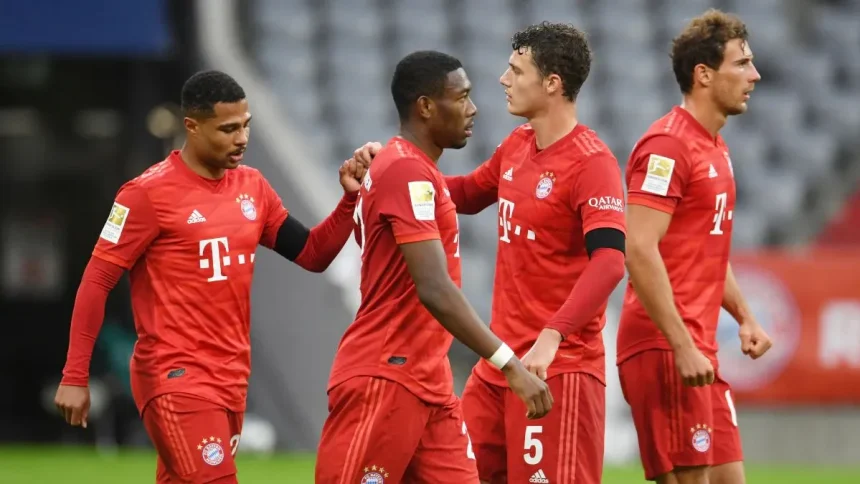
From Allianz Arena to global markets, Bayern Munich has become a constant headline, not just for winning Bundesliga titles but for redefining how football clubs operate financially in Europe. At a time when the football economy is changing faster than ever, driven by skyrocketing broadcast deals, spiraling transfer fees and the rise of digital revenue, Bayern Munich’s model is a masterclass in sustainability and strategic growth.
A Financial Powerhouse: Record Results in Volatile Times
In the 2024/25 fiscal year, Bayern Munich posted a record revenue of €978.3 million, marking continued financial dominance despite a transfer market that has blown past previous valuations. This achievement was driven by diversified revenue streams: matchday income reached €260.7 million, sponsorship brought in €240.4 million and merchandising posted €150.5 million, underscoring how Bayern’s commercial engine hums even louder than matchday receipts.
Critically, Bayern’s leadership sticks to a philosophy few clubs still embrace: they don’t spend more than they earn. That principle has kept the club stable, turning profits where others post losses and outpacing counterparts who chase short-term financial fireworks. This isn’t conservative accounting. It’s strategic foresight at its purest.
Diversify and Conquer: Beyond Broadcast and Matchdays
While the Bundesliga doesn’t command Premier League-level broadcast money, Bayern Munich has outmaneuvered this constraint with a smart commercial approach. Sponsorships from global brands like Adidas, Allianz and Deutsche Telekom provide a deep financial foundation that cushions the club from swings in media revenues.
Even with broadcast revenue gaps to the Premier League, the club is innovating aggressively, expanding international tours, boosting marketing exposure, and exploring new revenue pathways beyond traditional TV rights. The aim isn’t just more money. It’s global relevance.

Matchday Magnet: Allianz Arena’s Economic Pull
When you pack out Allianz Arena consistently, the bottom line feels it. Bayern Munich ranks among Europe’s top clubs in matchday revenue, pulling in figures that dwarf most Bundesliga peers. The atmosphere in Munich is not just flavor and tradition. It’s economic horsepower.
That steadfast attendance does more than boost revenue, it cements Bayern’s relevance in sponsorship negotiations, global fan engagement and brand leverage. For clubs aspiring to financial muscle, Bayern’s matchday model is a reminder that stadium nights still matter in the digital age.
Talent Management: Smart Transfers and Long-Term Value
The transfer market remains one of the biggest economic battlegrounds in European football. Bayern Munich understands this. While they spend to bring in top talent, the club’s net approach is calculated and centered on long-term value, balancing squad quality with financial prudence. Amid an era where agent commissions and transfer fees balloon, Bayern’s strategy is about smart investment, not reckless bidding wars.

This doesn’t always mean buying cheap. It means choosing players who add commercial value, on-pitch impact, and future resale leverage. It also means nurturing homegrown talent through youth pathways, ensuring a steady pipeline of affordable stars complementing marquee names, a principle once highlighted by boardroom strategists aiming to integrate academy products deeper into the squad.
Global Brand, Local Impact
Another piece of Bayern Munich’s economic success story is its influence far beyond football. A study found Bayern contributes about €4.5 billion annually to the Munich region’s economy, through jobs, tourism, matchday spending and wider commercial activity.
This ties back to a simple truth in modern football economics: a club’s impact isn’t just measured by goals and trophies but by cultural and regional dynamism. Sponsorship deals, global fanbases, digital engagement and local economic benefit collectively build a monetary ecosystem few clubs can rival.
The Resilience Philosophy: Leading While Others Fluctuate
In a landscape where some European giants report massive losses and untenable debts, Bayern Munich stands out for consistent profitability, posting profits for nearly three decades, a feat unmatched by most elite clubs. This resilience isn’t accidental; it’s rooted in disciplined financial governance and strategic diversification of income.
Whether adjusting for broadcast revenue gaps or navigating transfer market inflation, Bayern’s model has shown it can adapt without compromising financial health. This adaptability, coupled with a global brand, solid commercial partnerships and loyal matchday support, keeps Bayern Munich resetting financial standards in European football.
Also Read: Top 10 World’s Most Valuable Sports Teams