

In 2005, Stephan Weiler received a phone call that would alter the course of his life forever. The voice on the line asked, “Is Becky Zerlentes your wife?” Upon confirming, Weiler was urged to rush to the airport, his wife’s condition was critical after a sanctioned amateur boxing match.
At the time, no female boxer in the United States had ever died during a sanctioned fight. This changed with Becky Zerlentes, who passed away due to a severe head injury in the ring. Zerlentes’s death not only left a gap in her community, but it forced people within the fight community to start having meaningful conversations surrounding safety and awareness in combat sports.
Who Was Becky Zerlentes?
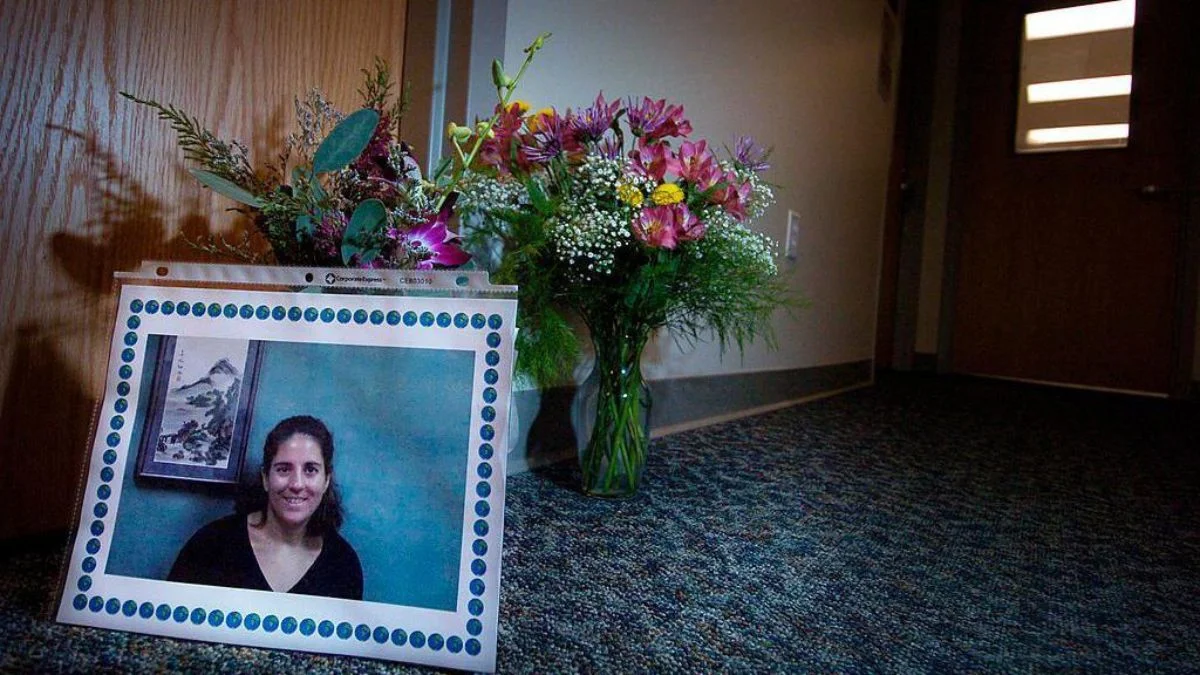
Becky Zerlentes was not only a boxer, but she was also a student, athlete, and dearly loved teacher. At 34, she was a PhD holder and taught economics and geography at Front Range Community College in Larimer County. Though she had academia as a career, her love of combat sports drove her private life.
Zerlentes had already won a local title at the regional level and was infamous for her grit in the ring and school. She was fiercely dedicated to her students, to her sport, and her community.
The Fight That Changed History
At the time of her last fight, Zerlentes was fighting in the Colorado State Boxing Senior Female Championships at the Denver Coliseum. She was facing Heather Schmitz in a bout in which both women used protective headgear.

The fight was clean and competitive for two rounds. However, in round three, a punch was thrown just above the left eye of Zerlentes. She stumbled, fell unconscious, and never regained consciousness.
Although it was a glancing blow, she was severely damaged in the brain. The doctors later found her pupils to be fixed and dilated on inspection. Her brain was so bruised, it no longer functioned.
A Husband’s Unthinkable Decision
By the time Stephan Weiler was in Denver, Becky Zerlentes was on life support, although physicians had assumed she had passed away in the ring. At around noon the next day, Weiler made the agonizing decision to remove life support, respecting Becky’s strong convictions regarding organ donation.

The succeeding days were inundated with sorrow, media coverage, and silence from the boxing commissions. Weiler, inundated with the surprise popularity of the Clint Eastwood movie “Million Dollar Baby” (a film about a female boxer), secluded himself for ten days before he returned home, only when he was prepared to confront the emotional wounds.
The Emotional Aftermath for the Opponent
Heather Schmitz, Zerlantes’ adversary, had her trauma. She was interviewed by police as part of a homicide investigation, though charges were never made. She called Weiler with genuine apologies and tears.
Weiler accepted this, with the concession that the accident was unintentional. The case ultimately got dropped, but the psychic burden was there on both sides.
Weiler Breaks His Silence
For more than a decade, Stephan Weiler spoke little about the disappearance of Becky Zerlentes. Today, a professor has finally opened up, hoping to caution others about the brutality of combat sports.
“It’s the most male bloodlust sport,” he said. “There’s gambling based on pounding your opponent. It’s not like ping pong, it’s someone’s life.”
Weiler’s warning is not anti-sport but pro-consciousness. He urges young boxers to know the risks before getting into the ring. The excitement of training must not overshadow life’s possibilities of changing consequences.

A Shared Grief: The Story of Davey Browne Jr.
Amy Lavelle, the partner of Australian boxer Davey Browne Jr., suffered the same tragedy in 2015. Browne died after collapsing during the final round of a fight in Sydney.
Lavelle remembers the nightmare:
“How are the boys going to grow up without their father? It was unimaginable.”
As with Weiler, Lavelle was given little help by boxing officials. The two grieving partners have since become friends, brought together by sorrow and dismayed at the failure of the sport to hold itself to account.
The Void of Governance in Boxing
Both Becky Zerlentes’ and Davey Browne’s fatalities point to a major flaw: there is no unified, international governing body for boxing. In contrast to the NFL or other professional sports, the regulation of boxing is disaggregated.
Zerlantes’ amateur bout was regulated by USA Boxing, whereas Browne’s pro fight was covered by the IBF, regulated by Australia’s Combat Sports Authority. Neither has made a public statement regarding questions of safety procedures.
Even inquests such as the one after Browne’s death have raised alarm about ringside training and intervention protocols. But the sport’s administration is mostly quiet.
The Medical Reality: Brain Trauma in Combat Sports
The risk of chronic head trauma in boxing and MMA has been extensively documented. Symptoms of Chronic Traumatic Encephalopathy (CTE), a disease that degenerates the brain, include depression, memory loss, and suicidal ideation. CTE can only be diagnosed after death.
In recent times, several fighters, such as world title challenger Heather Hardy, have been compelled to retire prematurely because of symptoms associated with CTE.
The dangers are similar to those in American football, where three concussions can lead to long-term injuries. The billion-dollar settlement in 2016 between the NFL and injured players highlighted this shocking trend.
A Call for Change: Educating the Next Generation
Both Lavelle and Weiler agree that change begins with education. Fighters need to be made aware of the dangers, way beyond the hype of TV fights or titles.
“It’s all bravado and toughness,” Lavelle said. “But athletes need to understand what they’re really signing up for.”
Weiler agrees, stressing informed consent. He doesn’t want to ban boxing, but promote awareness and reform.
Remembering Becky Zerlentes
Becky Zerlentes’ legacy extends far beyond the ring. She was a master teacher, a fierce competitor, and a devoted wife. Her passing was a call to action for a sport that too often ignores the price of fame.
Through her tale, Stephan Weiler wants to shield others from such heartache and to make certain that tomorrow’s fighters enter the ring with eyes wide open.
ALSO READ: Cricketers Who Played With An Injury Ft. Chris Woakes