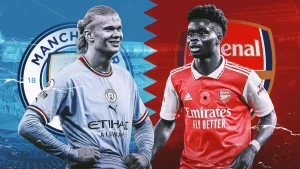

The Business of Football Kits: How Jerseys Became Culture and Cash Machines
Football kits have come a long way from simple team uniforms. What started as a way to distinguish players on the field has now become a multi-billion-dollar global business. Modern football jerseys are symbols of pride, culture, and commerce, connecting fans, brands, and clubs in powerful ways.
Today, a football shirt isn’t just about colour or design. It represents history, fashion, and emotion, all while driving massive revenue for clubs and sponsors.
The Evolution of Football Shirts
In the early decades of football, kits were plain, practical, and identical year after year. Most clubs simply wore cotton shirts in their traditional colours. But as television coverage expanded and fans’ passion grew, clubs realised the commercial potential behind their shirts.
By the 1980s, things changed dramatically. Sponsorship logos appeared for the first time, and brands like Adidas, Umbro, and Puma began shaping football fashion. Suddenly, a jersey wasn’t just sportswear, it became an international product.
The 1990s took it further. Bright colours, patterns, and new materials made football kits eye-catching and modern. Fans began buying them not just for match days, but as casual wear, making kits a core part of football culture.
Read More

The Billion-Dollar Industry Behind the Shirt
Today, the football shirt industry is worth billions of dollars annually. Top clubs like Manchester United, Real Madrid, and Barcelona sign record-breaking deals with global sports brands.
For example:
- Manchester United’s deal with Adidas is worth over $100 million per year.
- Real Madrid’s long-term partnership with Adidas is among the most valuable in sports history.
- Nike’s global presence through teams like Liverpool, PSG, and Barcelona keeps their shirts among the world’s best-sellers.
Beyond sponsorships, clubs also earn millions directly from shirt sales. A new kit release can generate massive queues, online traffic surges, and instant revenue boosts.

In short, the football shirt has become one of the most profitable products in world sport.
Football Kits as Fashion
In recent years, football shirts have moved beyond the pitch and into mainstream fashion.
Global brands and designers now collaborate with football clubs to create limited-edition kits and lifestyle collections. Examples include:
- Adidas x Arsenal retro ranges, celebrating North London’s football culture.
- Nike and PSG’s Jordan collaboration, blending streetwear with sport.
- Puma’s collaborations with AC Milan, mixing heritage with modern aesthetics.
Younger fans, influencers, and even non-football audiences wear these jerseys as fashion statements. Retro designs from the 1990s have also made a comeback, symbolising nostalgia and authenticity.
A football shirt today can be worn on the streets of Paris, Lagos, or Mumbai as easily as in the stadium, proving its cultural power.
Identity, Emotion, and Global Reach
Every football shirt tells a story. Whether it’s Argentina’s sky blue stripes, Liverpool’s deep red, or Brazil’s iconic yellow, these colours carry generations of memory.
Read More

Fans often describe buying a jersey as a personal connection to their club. For some, it’s an identity. For others, it’s an expression of loyalty, heritage, or hope.
Global fan bases amplify this further. Millions of supporters in Asia, Africa, and America wear European club shirts, making football one of the most visible and unifying global brands.
The Marketing Genius Behind Every New Kit
When clubs release a new kit each season, it’s not just about design, it’s about storytelling.
Each campaign now comes with cinematic videos, emotional slogans, and social media launches that target global audiences. A good kit launch can trend worldwide within minutes.
For example:
- Manchester City’s 125th-anniversary kit was marketed as “the shirt that tells a century’s story.”
- Barcelona’s mosaic-inspired kit reflected the art and architecture of Catalonia.
- Inter Milan’s black-and-blue digital print design was celebrated as a mix of tradition and innovation.
These marketing strategies turn simple shirt sales into global fan events, ensuring emotional engagement and commercial success.
Sustainability and the Future of Football Kits
As environmental awareness grows, football brands are focusing on sustainability.
Nike, Adidas, and Puma have begun producing kits made from 100% recycled polyester and ocean plastics. Clubs are also promoting ethical sourcing and reduced carbon footprints.
This shift reflects football’s wider responsibility, proving that the sport can combine style, performance, and sustainability for the future.
More Than Just a Shirt
Football kits today represent far more than a uniform. They blend sport, identity, business, and culture into one powerful product.
From billion-dollar brand deals to global fashion collaborations, the modern football shirt has become a cultural symbol of our times. Whether worn by players on the pitch or fans in faraway cities, it connects people through pride, memory, and belonging.
And as football continues to grow across continents, the shirt, simple yet iconic, will remain at the heart of the beautiful game.
Also Read- Miracle of Mjällby: How A Tiny Swedish Fishing Village Is About To Win The League