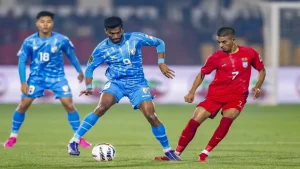
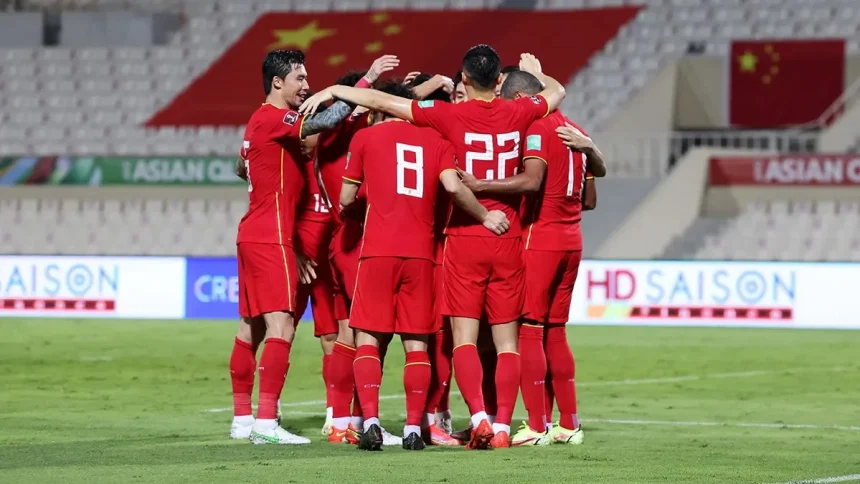
China Football continues to be one of the country’s biggest sporting struggles. Despite having a massive population, the sport has failed to grow at a strong level. Issues such as corruption, weak youth development systems, and excessive top-level control have slowed progress. Many schools give little importance to football, causing young talent to be overlooked early.
President Xi Jinping aims to make China a football power, but the results remain disappointing. The men’s national team usually ranks around 90th globally. Poor planning, a lack of skilled coaches, and weak domestic competition still block China’s football ambitions.
China Football: Systemic Corruption and Mismanagement
China Football has been deeply affected by long-term corruption and poor governance. Over the years, several match-fixing scandals and bribery cases damaged trust in the sport. High-profile investigations in recent years led to lifetime bans and long jail terms for officials and former coaches, showing how serious the problem became.
Corruption at administrative levels discouraged sponsors, hurt player development, and lowered fan confidence. Even today, rebuilding credibility remains difficult, as clean management is essential for attracting talent, investment, and long-term stability in Chinese football.
China Football: Lack of Grassroots Infrastructure
China Football struggles at the grassroots level, where young players are usually developed. Although China has a huge population, very few children play football regularly in schools or local clubs. Many schools still prioritize academics over sports, leaving little time for training. Youth academies are uneven in quality, especially outside big cities.
Read More

Past focus on expensive foreign players and quick success ignored long-term youth planning, resulting in a small talent pool and limited depth for professional teams and the national side.
China Football: Political Control Versus Creativity
China Football often suffers from excessive top-down control, which limits creativity and freedom on the field. Football needs flexible thinking, player expression, and strong local cultures, but strict administrative oversight can slow decision-making.
At times, the sport has been treated as a symbol of national pride rather than a game that grows naturally. Coaches and players may hesitate to take risks, affecting performance. This controlled environment makes it harder to develop instinctive, creative footballers who can compete at the highest international level.

China Football: Economic Pressure on Clubs
China Football has also been hit by serious financial problems. After the pandemic and the slowdown in the real estate sector, many corporate owners reduced spending or left football entirely. Several professional clubs folded or withdrew from leagues due to unpaid wages and debts. The collapse of well-known teams showed how fragile the league system had become. Reduced funding affects player salaries, youth programs, and facilities, making it difficult to maintain competitive and stable domestic competitions.
China Football: Cultural and Structural Challenges
China Football faces cultural barriers that slow its growth. Strong emphasis on exams and academic success leaves children with limited time for sports. Unlike Olympic disciplines that rely on centralized training, football needs community clubs, street play, and local leagues.
These elements take decades to build and cannot be created quickly by policy alone. Parents often see football as an unstable career choice, which reduces participation. This weak football culture makes sustained progress slow and uneven.
ALSO READ: Alpine A526 2026: Alpine’s Fresh New Era in Formula 1