
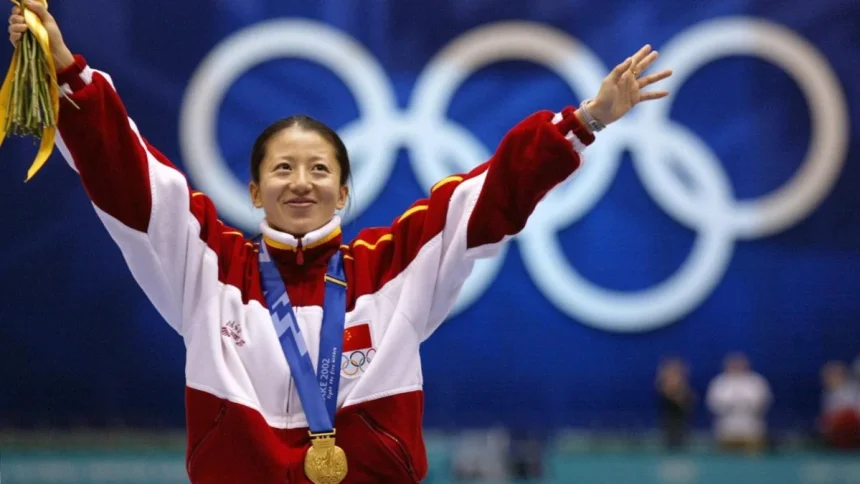
China’s Rise As An Olympic Powerhouse: China’s rise as an Olympic Powerhouse is one of the most remarkable transformations in modern sports history. From its modest beginnings in the mid‑20th century to becoming a dominant force across both Summer and Winter Games, China’s Olympic journey reflects not only athletic ambition but also national pride, global influence, and strategic investment in sports development.
China’s Path to Olympic Glory
China’s Olympic journey reflects a story of patience, planning, and long-term vision. The country first joined the Olympic Games in 1932 but stayed away for many years due to political challenges. Its return at the 1984 Los Angeles Olympics marked a major moment, where China won 15 gold medals and announced its arrival on the global sporting stage.
Over the next two decades, China followed a gradual and disciplined approach, investing heavily in training centres, specialized sports schools, and research-based coaching methods.
This structured system began producing consistent results, and by the 2000 Sydney Olympics, China had clearly emerged as one of the world’s leading sporting nations. The true turning point came at the Beijing 2008 Summer Olympics.
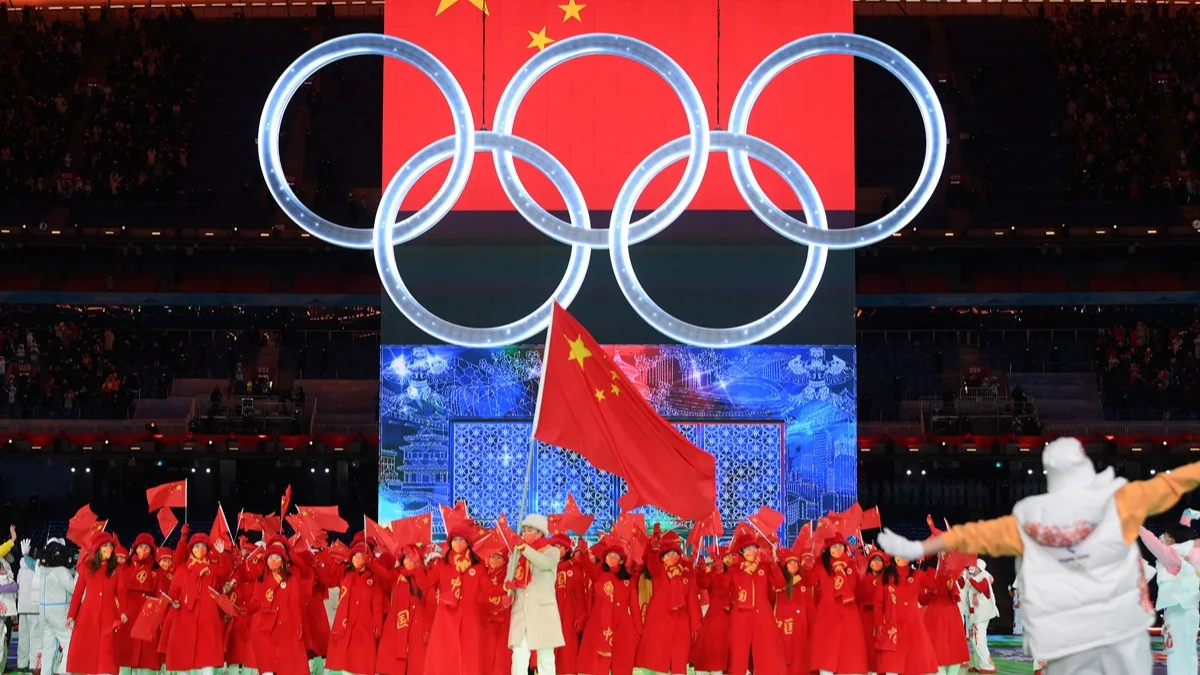
As host nation, China not only delivered a world-class event but also topped the medal table with 51 gold medals, proving its strength in athletic performance across multiple sports and cementing its position as a global Olympic powerhouse.

The Power Behind the Podium
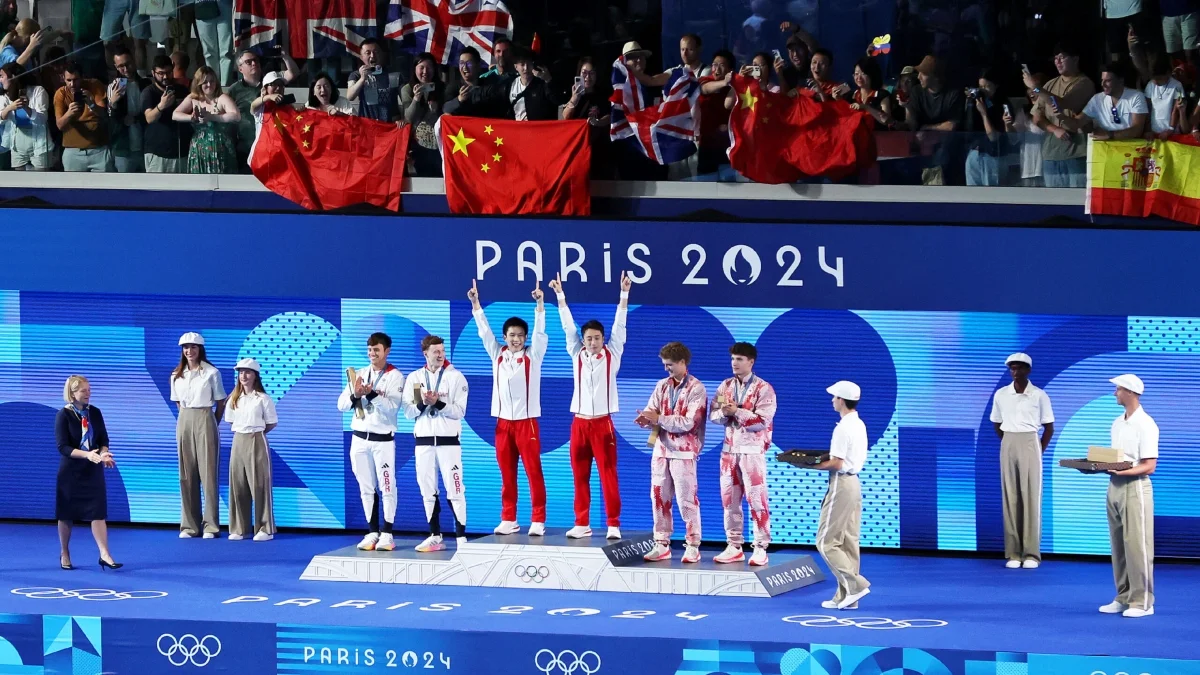
State funding helped China build a centralized and highly organized sports system that identifies talented athletes at a very young age and supports them through structured development programs. Special attention was given to sports with higher chances of winning medals, such as diving, table tennis, badminton, and gymnastics, where technical precision and long-term training offer clear advantages.
Olympic success has also played an important role in building national pride. When Chinese athletes win medals on the global stage, their achievements are seen as symbols of international respect and recognition. Sports success strengthens China’s global image and works as a form of quiet diplomacy, shaping perceptions through performance rather than political statements.
Every medal carries meaning beyond competition, adding to the country’s influence and reputation. Under the leadership of Xi Jinping, China has set clear goals to become a leading sports nation, linking athletic excellence with broader national development, unity, and long-term global presence.
Comparative Snapshot
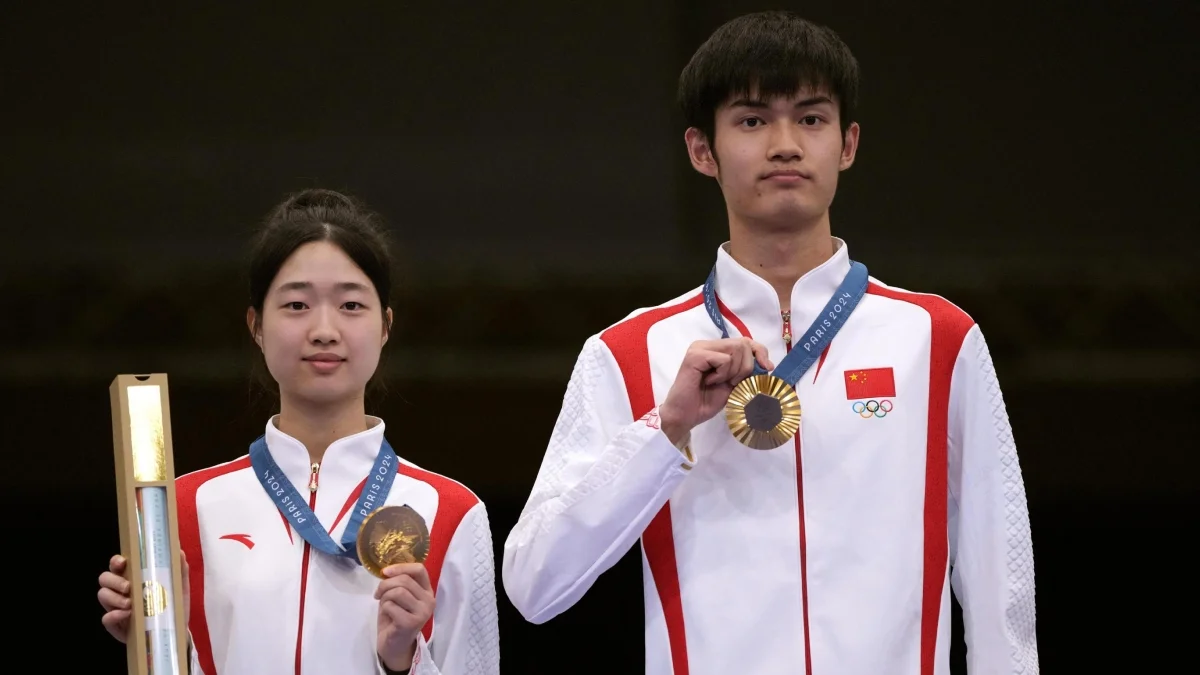
Between 1932 and 1980, China participated in the Olympic Games without winning a single medal, and its presence had a limited impact globally. The turning point came at the 1984 Los Angeles Olympics, where China won its first gold medal and collected 15 medals overall. This performance marked the beginning of China’s rise as a serious Olympic contender.
China reached a historic peak at the 2008 Beijing Olympics, finishing first on the medal table with 51 gold medals. The success reflected growing confidence, strong preparation, and the benefits of long-term investment in elite sports. Hosting the Games also showcased China’s organizational strength and athletic depth across multiple disciplines.
At the Tokyo 2020 Olympics, China secured 38 gold medals, finishing second overall. The focus began shifting toward expanding success into newer sports rather than relying only on traditional strengths. Looking ahead to Paris 2024, China is expected to remain among the top two nations, emphasizing consistency and long-term Olympic leadership.