

Cricket Superstitions date back to the game’s inception. Cricket is not only skill and strategy it’s also an emotionally charged sport. A number of players depend on private rituals or habits that they feel will bring them good fortune or assist them in playing better on the pitch. Since its inception, the game has witnessed some intriguing and even weird superstitions that remain a source of interest among fans across the globe.
What Are Superstitions in Cricket?
Cricket Superstitions are individual assumptions or rituals that players or even umpires adopt, typically without any rational reason. They are believed to have an impact on performance or alter the result of a match particularly in high-pressure situations. From the alteration of bails to carrying a lucky charm, generations of players have demonstrated that mental confidence at times is as crucial as physical preparation.
List of cricket superstitions
1. Bails Change: A Tactical Lucky Charm
One of the most peculiar superstitions of cricket is tampering with the bails at the non-striker’s end to “break the flow” or achieve a much-needed wicket. This has been in the limelight during an Ashes match in England when Stuart Broad had replaced the bails when Usman Khawaja was batting. In a rather amusing turn of events, a wicket was taken on the next ball to reinforce the belief among many players and supporters.
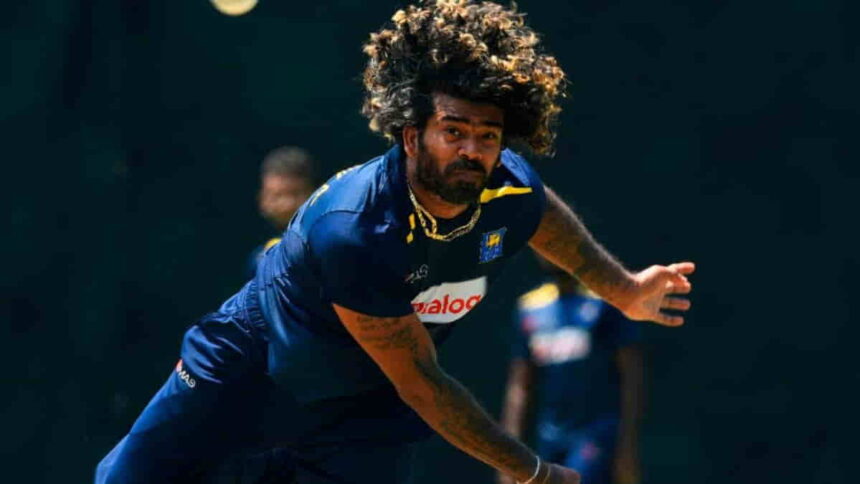
2. Lasith Malinga’s Ball-Kissing Ritual


Legendary Sri Lankan bowler Lasith Malinga is famous not just for his unconventional bowling style but also for his very own superstition kissing the ball before every ball. Malinga used to feel this ritual brought luck and accuracy into his bowling.
During his career, he took:
338 ODI wickets
Read More

97 T20I wickets
101 Test wickets
170 IPL wickets
His superstition never inhibited him rather, it was a part of his larger-than-life on-field image.
3. Steve Waugh’s Red Handkerchief: A Gift of Fortune
Australian legend Steve Waugh used to carry a red handkerchief with him to the game, which was a gift from his grandmother. He thought of it as a good luck charm and source of inspiration. Waugh, who led Australia to World Cup victory in 1999, had a remarkable Test career with:

10,927 Test runs
Average of 50.57
Match-saving strokes, including his farewell 80* against India in 2004
This little red piece of cloth became a good luck charm in one of the greatest careers in cricketing history.
4. Virender Sehwag: No Jersey Number, No Problem
India’s firebrand opener Virender Sehwag, recognized for his aggressive playing style, once used jersey number 44. But realizing the unusual trend in his performance, he chose not to wear any jersey number. The strategy seemed to pay off Sehwag went on to score some of his most mythical innings, including:
Two triple centuries in Tests
219 vs West Indies in ODIs, shattering Tendulkar’s existing record
More than 8,000 runs in ODIs and Tests with scorching strike rates
Sehwag’s superstition was unusual but, as with his batting, it worked.
5. Nelson: The Infamous Number 111
The number 111, or Nelson, is one of the most talked about cricket superstitions. Cricket superstitions are based on the belief that the number 111 looks like wicket stumps without bails, making it an exposed target. The late, great umpire David Shepherd introduced this superstition to the general public.
Shepherd would literally stand on one leg for any ‘Nelson’, which he considered an unlucky score; any time the score got to 111, 222, etc. Many one-legged moments occurred during his time as an umpire and even went viral in some cricket circles.
ALSO READ: Most Sixes In T2OI: Jos Buttler On The Verge Of Breaking Guptill’s Record