
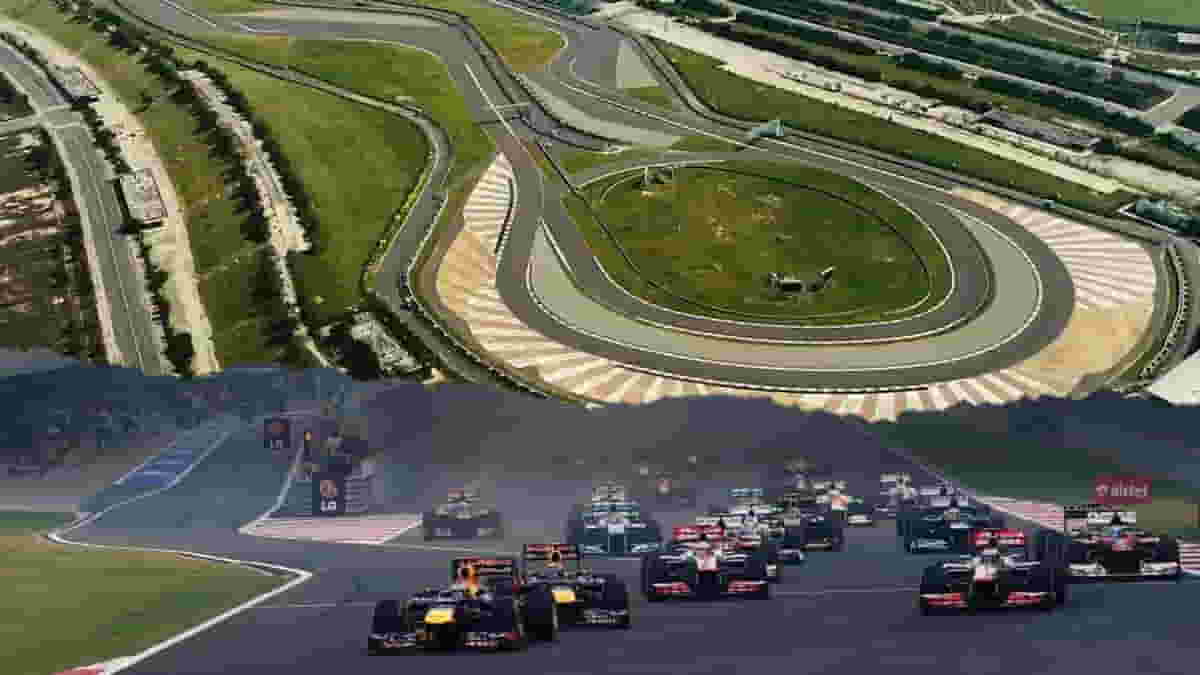
Formula 1, the pinnacle of motorsport, captivates millions of fans worldwide with its high-speed racing, cutting-edge technology, and glamorous events. Each year, the FIA (Fédération Internationale de l’Automobile) meticulously selects host countries for the Formula 1 races. This article aims to explore the intricate process behind the FIA’s selection and shed light on the key factors that influence the choice of host countries.
Historical Significance
The rich history of a country in Formula 1 plays a vital role in the selection process. Nations with a longstanding tradition of motorsport and a passionate fan base are often favoured. Countries like Italy, Monaco, and the United Kingdom, which have been hosting races since the inception of the championship, possess a historical significance that adds prestige to the event. The FIA acknowledges the importance of maintaining a connection to the sport’s roots and continues to prioritize such venues.
Infrastructure and Facilities
The suitability of a host country’s infrastructure and facilities is another crucial aspect considered by the FIA. The circuit itself needs to meet specific standards in terms of safety, track layout, and amenities for teams, spectators, and media. The FIA assesses the quality of the racetrack, pit lanes, medical facilities, paddock, and grandstands to ensure they meet international standards. Moreover, factors such as accessibility, transportation networks, and accommodation options also influence the decision-making process.
Economic Viability
Economic viability is a significant factor in selecting host countries for Formula 1 races. The FIA seeks to strike a balance between expanding the sport’s global footprint and ensuring financial sustainability. Potential host countries must demonstrate strong financial backing and a viable plan to cover the considerable costs associated with organizing a Formula 1 event. This includes not only the construction and maintenance of the circuit but also the ability to attract sponsors, generate ticket sales, and facilitate tourism.
Geographic Diversity and Expansion
Formula 1 has evolved into a truly global sport, and the FIA aims to maintain geographic diversity in its race calendar. The selection process considers the desire to reach new markets and engage with a wider range of fans worldwide. By exploring new territories, the FIA can tap into emerging economies and expose the sport to untapped audiences. This strategy has led to the inclusion of races in countries such as Bahrain, China, Russia, and Abu Dhabi, expanding the global appeal and commercial potential of Formula 1.

Political Stability and Government Support
Political stability and government support are vital factors when considering host countries for Formula 1 races. The FIA requires assurance that the event will not be affected by political turmoil or unrest. The host country’s government plays a crucial role in providing the necessary support and cooperation for a successful event. This includes granting permissions, ensuring security, and facilitating the smooth operation of the race. Nations with a stable political environment and a keen interest in promoting their country as a tourist destination are often favoured by the FIA.
Environmental Responsibility
In recent years, environmental sustainability has gained significant prominence across various industries, including motorsport. The FIA now places increasing emphasis on host countries’ commitment to reducing the environmental impact of Formula 1 races. Factors such as energy efficiency, waste management, carbon footprint reduction, and the use of renewable resources are considered during the selection process. The FIA encourages host countries to adopt eco-friendly practices and aims to make Formula 1 a leading force in sustainable motorsport.
Conclusion
The process of selecting host countries for Formula 1 races involves a meticulous evaluation of numerous factors. The FIA seeks a balance between tradition, economic viability, geographic diversity, political stability, and environmental responsibility. The rich history, infrastructure, and facilities, along with financial and government support, play significant roles in determining the host countries. Furthermore, the FIA’s desire to expand into new markets and engage with a global audience drives the inclusion of races in emerging economies. As Formula 1 continues to evolve, the FIA’s selection process will adapt to ensure the sport’s continued success and global appeal.

Also Read: How can MotoGP help in a return for F1 to India?
“Get more sports news, cricket news, and football updates, log on to sportsdigest.in. Follow us on Facebook or Twitter and Subscribe to our YouTube Channel.”