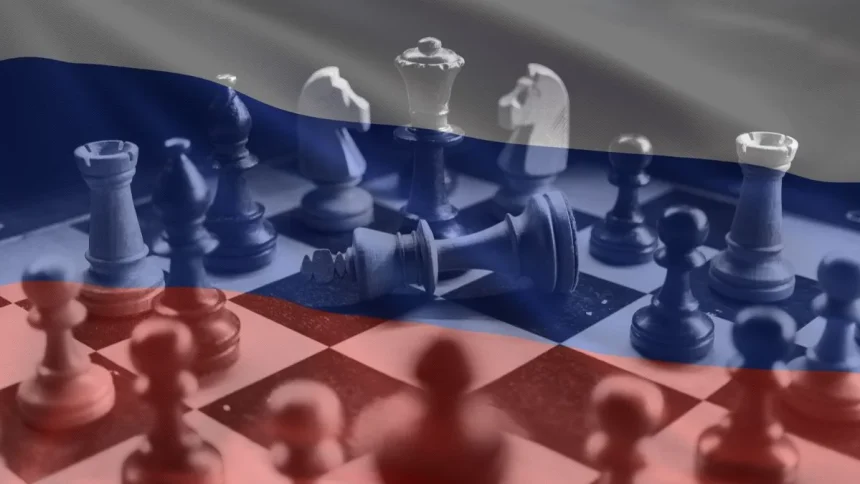
If you follow chess closely, you know the board has been tense since 2022. The International Chess Federation, or FIDE, just made a big move at its General Assembly on December 14, 2025. They voted to let youth teams from Russia and Belarus compete internationally under their national flags, ending a long restriction for young players.
FIDE Allows Russia And Belarus To Compete Worldwide
This decision came after careful votes on two key proposals. The Russian Chess Federation pushed for full restoration of national symbols right away, earning 61 votes in favour, 51 against, and 14 abstentions. The FIDE Council’s plan, which focused on youth and juniors first, passed stronger with 69 yes votes, 40 no, and 15 abstentions. Together, these allow Russian and Belarusian kids under 18 to join team events, use flags, anthems, and uniforms, as long as their federations stay in good standing. It also clears the way for official FIDE tournaments in Belarus.
When Was The Ban Introduced
The backdrop traces back to February 2022, when FIDE suspended teams from both nations due to the invasion of Ukraine. Individual players could compete as neutrals under the FIDE flag, but teams stayed out. Over time, rules eased for vulnerable groups like youth and those with disabilities. This latest step aligns with recent International Olympic Committee guidance, which supports youth participation without restrictions. Adult teams, however, must still use neutral symbols for now, pending more talks with the IOC.
What Does It Mean For The Game?
Young talents from Russia and Belarus can now chase titles without neutral flags holding them back. It adds more firepower to international youth events, potentially raising the level of competition. Fans might see fiercer rivalries and fresh faces on the podium. Yet, the chess community watches closely, knowing adult team events could spark the next debate.
Norway’s Chess Federation and others voiced concerns before the vote, pushing delegates to reject full reinstatement. Still, the assembly moved ahead, balancing sport and politics. FIDE stressed that it follows IOC standards to stay neutral. As chess pushes into 2026, this ruling tests how the game unites players across borders.
Read More
Also read: Global Chess League 2025 Day 1: Full Results And Highlights