


Footballers Who Played For Two Or More National Teams
In today’s football world, FIFA rules make it nearly impossible to play for two different national teams once you’ve appeared in a competitive match. But back in the day, international football was a little wilder. Players switched allegiances due to geopolitical changes, new citizenships, or simply because the rules were more relaxed. And some left behind a truly unique legacy.
Here’s a list of footballers who pulled off the rare feat of representing two or more nations.
1. Robert Prosinečki (Yugoslavia & Croatia)
The midfield magician is the only player in World Cup history to score for two different countries.
- Scored for Yugoslavia at Italia 1990.
- Scored for Croatia at France 1998.
Prosinečki’s flair, vision, and iconic dribbles made him unforgettable, but this stat makes him a trivia legend.
2. Alfredo Di Stéfano (Argentina, Colombia & Spain)
The legendary Real Madrid forward was truly international.
- Represented Argentina in 1947.
- Played unofficial games for Colombia during a FIFA dispute.
- Later became a key figure for Spain in the 1950s.
Sadly, he never played at a World Cup, but he remains one of the greatest to wear multiple national shirts.
3. Ferenc Puskás (Hungary & Spain)


The Galloping Major, one of the best strikers in history:
Read More


- Starred for Hungary’s Golden Team in the 1950s, scoring 84 goals in 85 matches.
- After defecting following the Hungarian Revolution, he returned to football with Spain, even playing in the 1962 World Cup.
4. José Altafini (Brazil & Italy)
Altafini had a split international career:
- Won the 1958 World Cup with Brazil, playing alongside Pelé.
- Later switched to Italy, where he played at the 1962 World Cup.
Few players can say they lifted the World Cup and then represented another country at the same tournament.
5. László Kubala (Czechoslovakia, Hungary & Spain)
Kubala might just be the king of multi-national football.
- Played for Czechoslovakia early in his career.
- Later represented Hungary.
- Finally became a legend with Spain, where he even appeared at the 1962 World Cup.
On top of that, Kubala played for a “Catalonia XI” in unofficial games. Truly, a man of many jerseys.
6. Diego Costa (Brazil & Spain)
A more modern example.

- Made his debut for Brazil in friendlies in 2013.
- Switched allegiance to Spain, representing them at the 2014 and 2018 World Cups.
- This sparked controversy in Brazil, but Costa stuck with La Roja.
7. Thiago Motta (Brazil & Italy)
Another Brazilian-born player who made the switch.
- Represented Brazil at youth level.
- Later played for Italy, including at Euro 2012 and the 2014 World Cup.
8. Wilfried Zaha (England & Ivory Coast)
Zaha played two friendlies for England, but since they weren’t competitive, he was allowed to switch.
- Chose to represent his birth country, Ivory Coast, in 2016.
- Became a key figure for the Elephants at AFCON tournaments.
9. Declan Rice (Republic of Ireland & England)
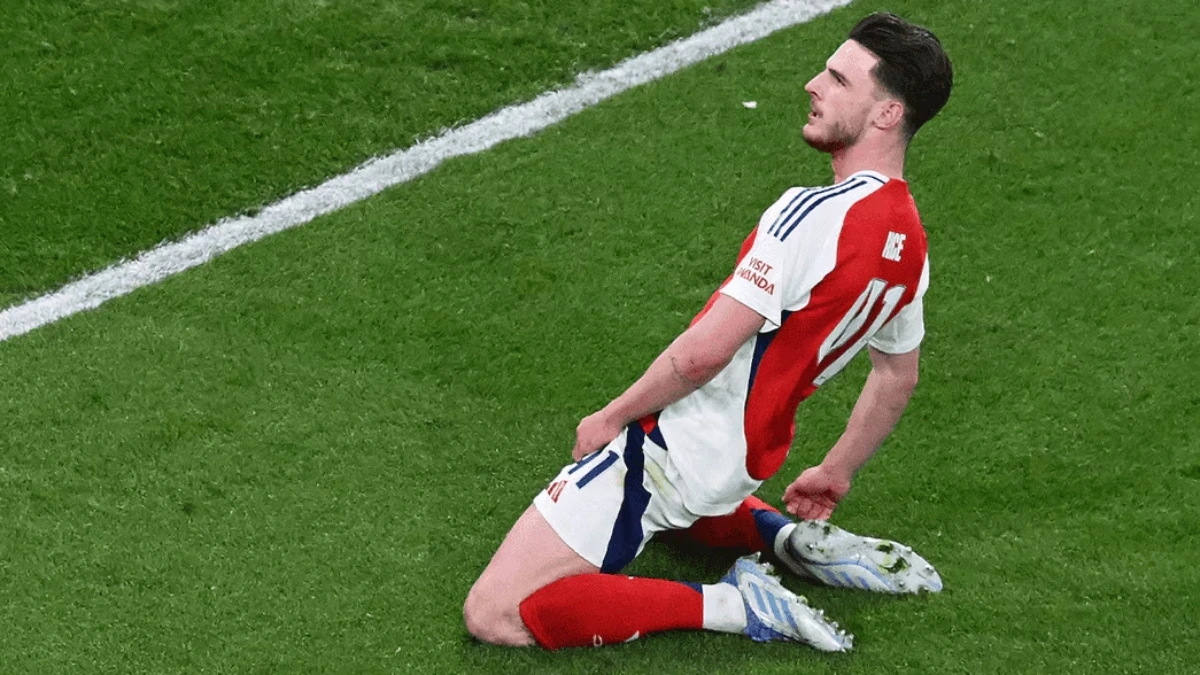
Rice represented Ireland in youth teams and even played three senior friendlies.
- Later switched to England in 2019.
- Now a crucial part of Gareth Southgate’s midfield.
10. Jack Grealish (Republic of Ireland & England – (youth level)
Though not at senior level, Grealish represented Ireland in youth categories before choosing to play for England. He’s now one of the most talked-about players in the Premier League.
Football is full of unique stories, and representing two nations is one of the rarest. From legends like Di Stéfano and Puskás, to modern-day switches like Rice and Zaha, these players remind us that international football is shaped as much by politics and identity as it is by goals and trophies.
Also Read- Top Football Players Who Have Played For Both Arsenal And Liverpool