
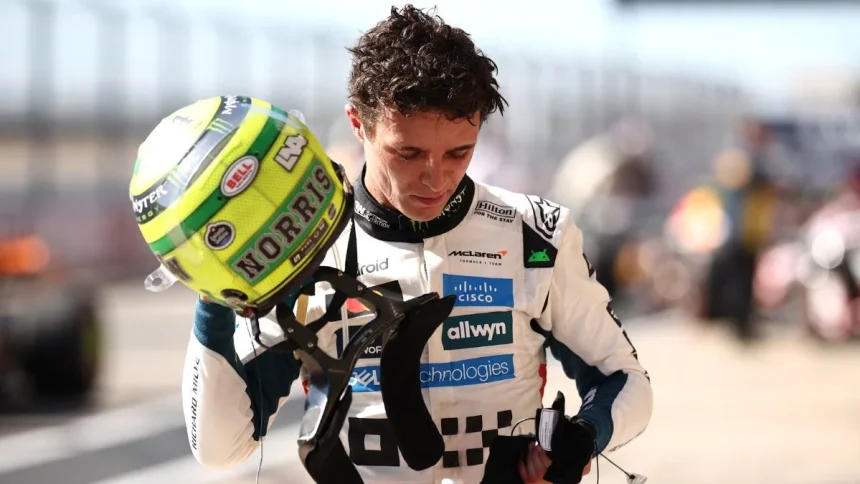
If you’ve ever wondered how F1 drivers stay cool under insane pressure, literally, then buckle up. Those F1 safety gear suits aren’t just flashy outfits; they’re high-tech shields that battle scorching cockpit heat while keeping drivers sharp. In a sport where temperatures can hit 50°C inside the car, these suits make the difference between peak performance and heat exhaustion. Let’s dive into how they pull off this magic.
F1 Safety Gear: Breathable Magic in Every Layer
F1 safety gears start with lightweight Nomex, a flame-resistant fiber that’s also a heat wizard. Coated thinly on the fabric, it lets sweat escape while blocking fire up to 800 degrees for over 11 seconds, plenty of time in a crash. Modern F1 safety gear suits weigh just 750g, down from 2kg beasts of old, so drivers like Lando Norris or Max Verstappen move freely without feeling bogged down. Breathable panels in stretchy spots, think elbows, knees, and crotch, wick moisture away, keeping body heat in check during those gruelling 2-hour races.
The design is genius: close-fitting wrists, ankles, and a high collar seal out flames but allow air flow. Zips and flaps are fireproof too, with no heavy embroidery, sponsors get printed directly. Tailor-made for each driver, the back runs longer for seated comfort, preventing bunching under seatbelts. It’s all about balance: ultimate protection without turning the cockpit into a sauna.
Under Layers That Fight the Fire
Beneath the F1 safety gear suit lies fireproof underwear, a full kit of long-sleeve top, long johns-style bottoms, socks, and balaclava. Made from moisture-wicking Nomex, these layers overlap for extra defence, covering every inch flames might lick. The balaclava, now with a single eye hole for a better seal, hugs the face tight, leaving just room for a hydration tube. In brutal heat, this setup pulls sweat off the skin fast, dodging dehydration that could fog a driver’s focus mid-overtake.
Drivers feel the relief immediately. No more sticky discomfort; instead, regulated temps let them push pedals harder, lap after lap. Post-race, you’ll see them peel off layers like pros, proof that the system works without compromise.
Read More

Evolution Born from Chaos
This heat-beating tech didn’t appear overnight. Sir Jackie Stewart’s 1960s safety crusade sparked it all, full suits mandatory by 1975, standards ramped up via FIA’s 8856-2018 rules. Today’s gear builds on horrors like early fire traps, blending fire resistance with cooling smarts. Expiry dates embroidered in the neck ensure peak condition, no faded protection mid-season.
Comfort matters as much as survival. Bags or slim fits? Driver’s call, Jacques Villeneuve went baggy for ease. FIA tests rigorously: suits endure extreme heat without melting or trapping drivers. It’s why Romain Grosjean‘s Bahrain escape, hands scorched but alive, led to glove tweaks, but suits held strong.
In the end, these F1 safety gear suits are unsung heroes. They let drivers like Charles Leclerc defend P2 wheel-to-wheel, minds clear amid the inferno. Next time you watch an F1 thriller, tip your hat to the gear that makes it possible. Pure engineering cinema on four wheels.

Also read: Highest Paid F1 Drivers Of 2025 After Season Finale In Abu Dhabi