How Mercedes F1 Built a Dynasty: Mercedes-Benz is one of the strongest and most successful teams in Formula One history. When Mercedes returned as a full factory team in 2010, they did not win instantly. Instead, they slowly improved year by year. Their big breakthrough came in 2014, when Formula One entered the new hybrid engine era. From that moment, Mercedes became the team to beat and stayed at the top for many seasons.
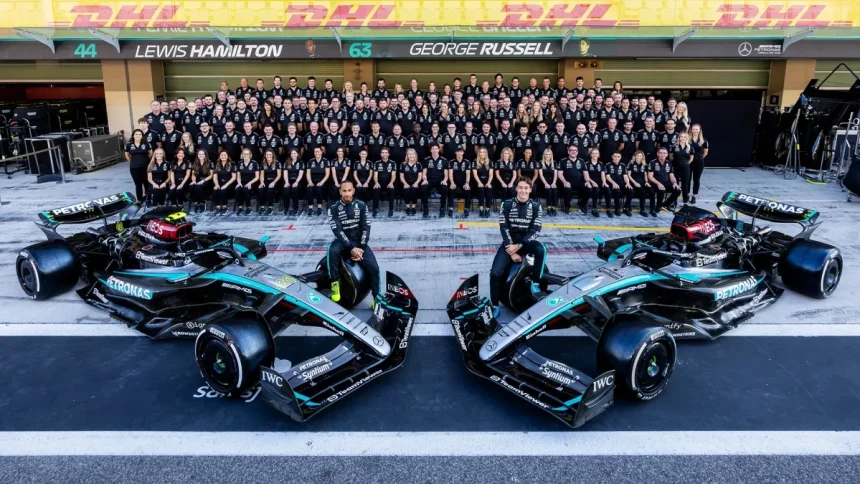
The team was led by Toto Wolff, who became team principal in 2013, and driven by top drivers like Lewis Hamilton and Nico Rosberg. Together, Mercedes won eight Constructors’ Championships in a row from 2014 to 2021, which means they were the best team every season during that time. Their success came from powerful hybrid engines, smart planning, calm leadership, and excellent teamwork, looking at reasons that became an important factor in Mercedes F1’s rise to dynasty status.
Winning the Rules Before Racing Began
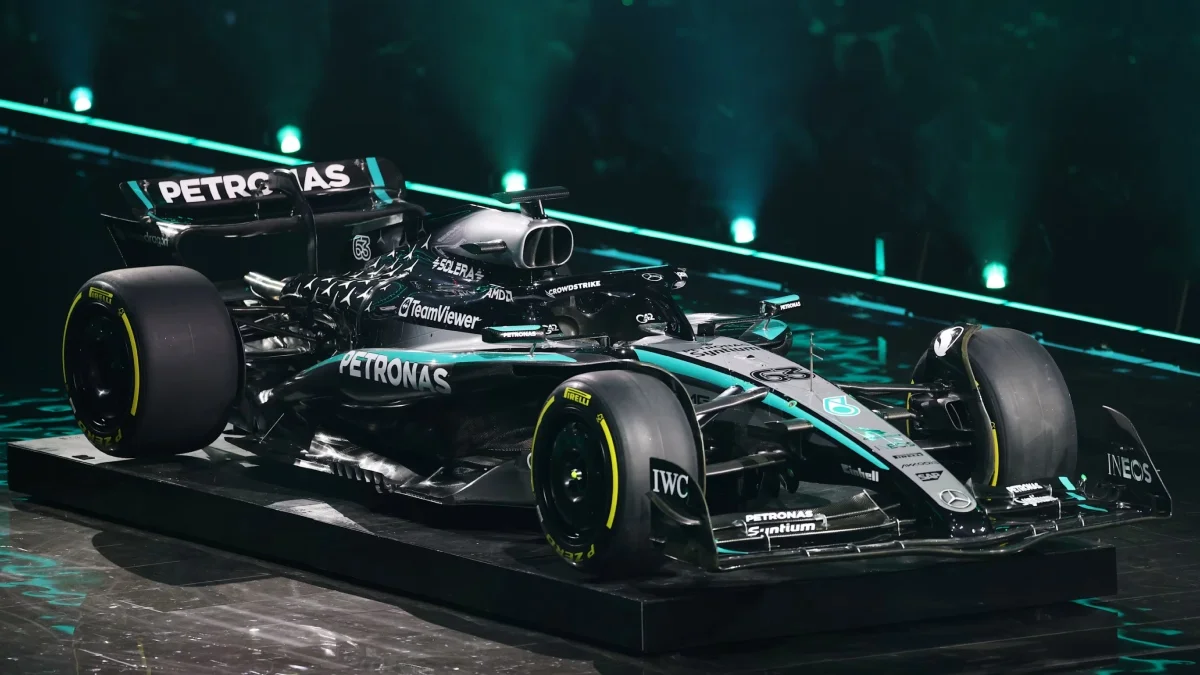
Mercedes gained a huge advantage by understanding the 2014 engine rules earlier than other teams. While many teams were still focused on old V8 engines, Mercedes started working years earlier on the new V6 turbo-hybrid engine. This gave them extra time to test, improve, and perfect their design.
Mercedes also created a special split-turbo system, where the turbo and compressor were placed on different sides of the engine. This helped the engine stay cooler, run more smoothly, and fit better inside the car. When the hybrid era began, Mercedes already had an engine that was powerful, reliable, and fuel-efficient, giving them a big head start over teams like Ferrari and Red Bull. This played a great role in helping Mercedes F1 to build a Dynasty

Leadership Built on Trust and Stability
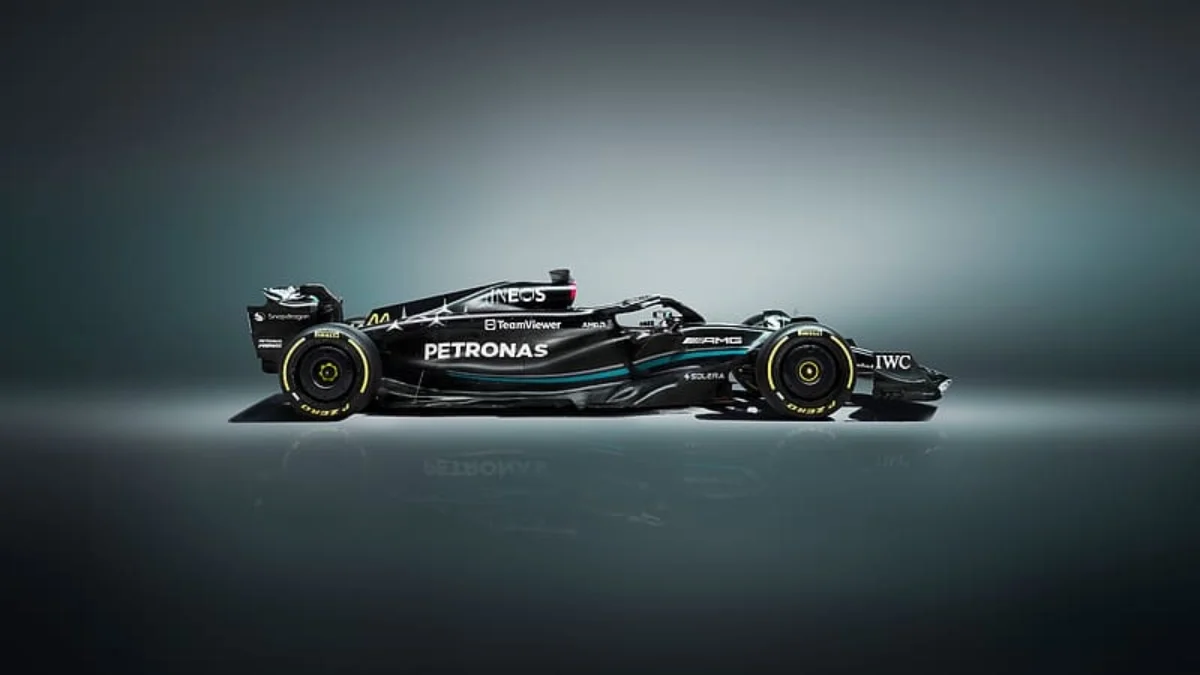
When Toto Wolff took charge, he changed how the team worked. He believed in honesty, trust, and learning from mistakes. Instead of blaming people when something went wrong, the team focused on fixing problems together and improving for the next race.
Wolff also handled difficult situations calmly, especially during the intense rivalry between Lewis Hamilton and Nico Rosberg. Even though both drivers wanted to win badly, Wolff allowed them to race freely while keeping the team united. His calm and steady leadership helped Mercedes stay strong during stressful moments. This was one of the key reasons behind Mercedes F1 building a dynasty.

Mental Strength Through Team Unity

Mercedes built a team culture where everyone felt comfortable sharing ideas and problems. Engineers, mechanics, and staff were encouraged to speak up early if something was not working. This helped the team fix issues faster and avoid bigger problems later.
The team believed in improving small details every weekend, often calling it “the extra one percent.” This mindset helped Mercedes stay ahead even when other teams started improving and getting closer. This contributed heavily to Mercedes F1 building a dominant dynasty.
Building a Strong Foundation Through Infrastructure
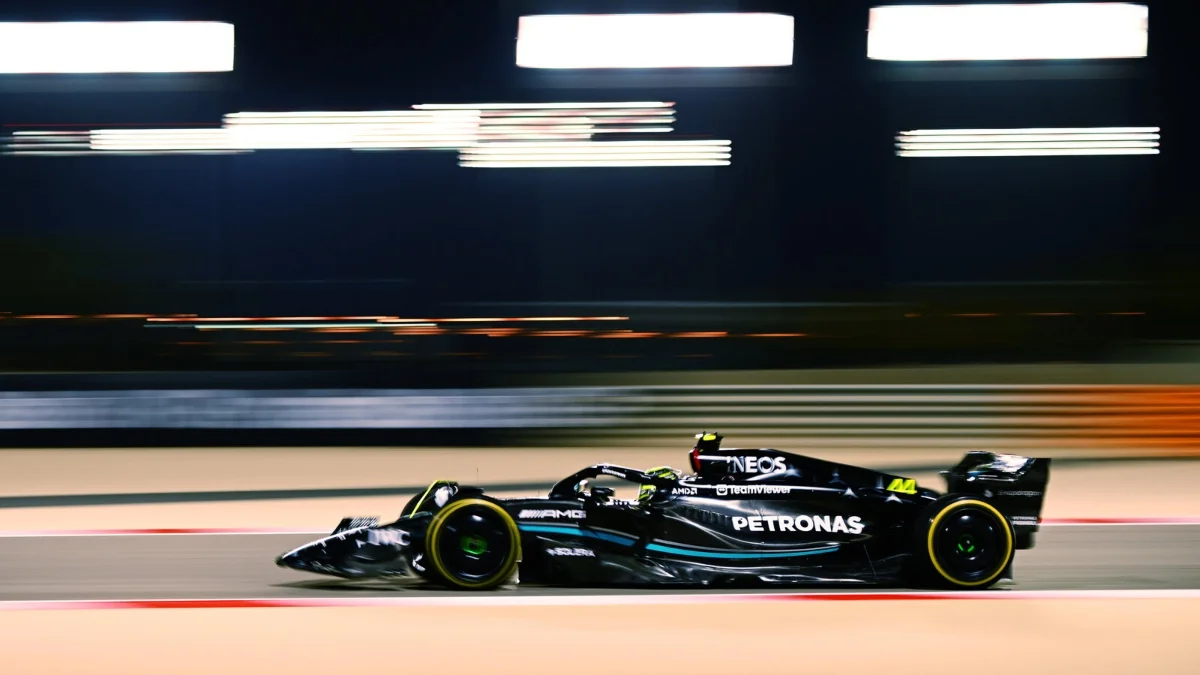
Mercedes invested a lot of money and effort into building top-class facilities. Their Brackley factory focused on car design, while the Brixworth factory developed the engines. Having both centers working closely together helped Mercedes build better and faster cars.
They also improved data systems, simulators, and technology, and hired more skilled staff. This strong setup helped Mercedes grow far beyond their earlier days as Brawn GP and become a long-term winning team. This greatly helped Mercedes F1 create a long-lasting dynasty.

Building Success Through the Right Talent
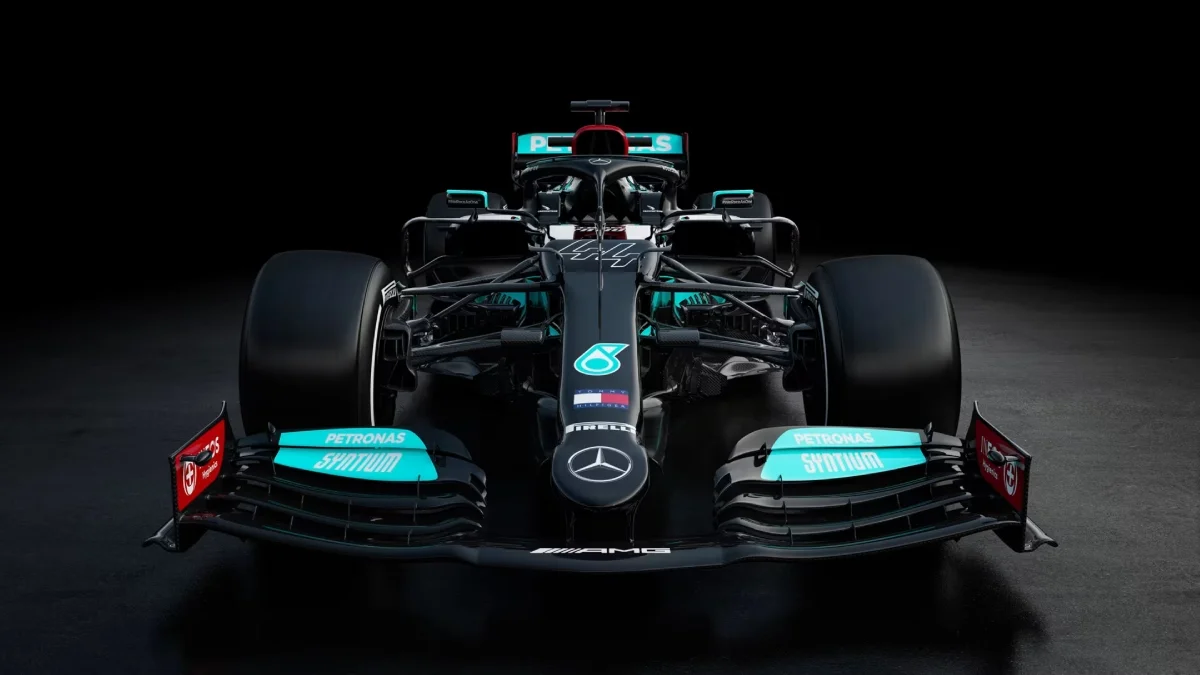
Mercedes made smart choices when signing people. Bringing Lewis Hamilton into the team in 2013 was a key moment. He went on to win six world championships with Mercedes. The team also kept experienced engineers and supported young talent.
By having the best driver, a strong car, and a stable team working together, Mercedes created a winning formula that allowed them to dominate Formula One for almost ten years. This played a major role in helping Mercedes F1 build a dynasty.
ALSO READ: Top 4 WWE Superstars Who Reinvented Their Gimmicks Successfully