
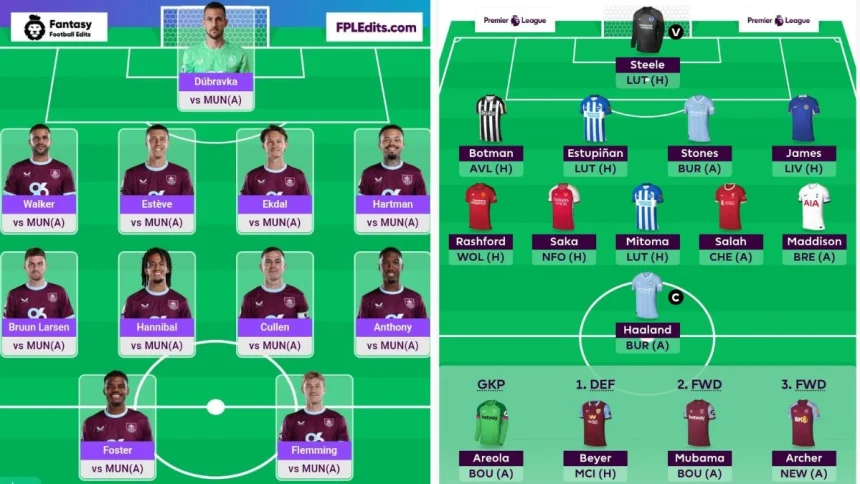
How to Build the Perfect Fantasy Football Team
Fantasy football isn’t just a game of luck, it’s a game of strategy. Millions of fans compete every season to build the ultimate team, balancing star power, value, and form.
Creating the perfect fantasy football team requires planning, analysis, and discipline. Whether you’re a beginner or a seasoned manager, understanding the right steps can give you a winning edge.
Step 1: Understand the Rules and Scoring System
Every fantasy league has slightly different scoring rules. Before building your squad, read the scoring criteria carefully. Points can vary for goals, assists, clean sheets, and bonus metrics like key passes or saves.
Knowing what earns or loses points helps you select players who provide consistent returns, not just headline moments.
Step 2: Set a Balanced Budget
Budgets are limited, so balance is key. Avoid spending too heavily on big-name attackers at the expense of midfielders and defenders.
Read More

A smart approach is to invest in reliable performers rather than unpredictable stars. Choose a few premium players and surround them with budget picks who play regularly.
Step 3: Prioritize Consistent Performers
Consistency wins leagues. Look for players who start every week and contribute across multiple categories, such as assists, tackles, or clean sheets.
Players like full-backs or attacking midfielders who are involved in both defense and attack often bring steady returns.

Step 4: Research Fixtures and Team Form
A strong player can struggle if their team faces a tough run of matches. Study fixture schedules and identify periods when certain clubs have easier opponents.
Rotating your squad based on fixtures ensures you maximize points each week. Many top managers plan transfers at least three to four gameweeks in advance.
Step 5: Choose the Right Captain
Your captain earns double points, making the choice crucial. Pick reliable players who perform consistently rather than those who depend on occasional brilliance.
Some managers rotate captains based on fixtures, while others stick with a proven scorer. The key is balancing form and opponent difficulty.
Step 6: Build Squad Depth
Injuries, suspensions, and rotations are inevitable. Strong bench players can save your gameweek when key stars don’t play.
Invest in low-cost players from teams that regularly start them. Squad depth ensures you always have active players on the pitch.
Read More

Step 7: Monitor Player Statistics and Transfers
Keep track of player form, injury news, and upcoming matches. Following official team updates and press conferences helps you make informed decisions.
Avoid impulsive transfers after one bad week, patience often brings long-term rewards.
Step 8: Use Wildcards and Chips Strategically
Fantasy football leagues often allow special boosts like wildcards, triple captains, or bench boosts. Use them wisely, especially during double gameweeks or fixture congestion.
Timing these chips correctly can give you a huge jump in the standings.
Step 9: Follow Reliable Football News and Insights
Stay updated with team lineups, tactical shifts, and injuries. Trusted football news outlets and match analysis platforms can help you predict player performance trends.
Information is power in fantasy football, knowing before others gives you a critical advantage.
Step 10: Stay Patient and Consistent
Fantasy football is a marathon, not a sprint. Some weeks will go perfectly; others will disappoint. The best managers remain consistent, plan ahead, and avoid emotional decisions.
Stick to your strategy and trust the data, over time, it always pays off.
Building the perfect fantasy football team takes preparation, smart decision-making, and constant analysis. The balance between star quality and squad depth defines success.
With the right strategy, patience, and awareness, anyone can master fantasy football and compete for the top spot.
FAQs
Q1. How many premium players should I include in my fantasy team?
A. Ideally two or three, balance them with budget players to maintain flexibility.
Q2. When should I use my wildcard?
A. Use it during fixture congestion or when injuries heavily affect your squad.
Q3. Should I pick players from my favorite club?
A. Only if they perform consistently; avoid emotional choices.
Q4. What’s the best captain strategy?
A. Choose reliable performers who regularly contribute goals or assists.
Q5. How often should I make transfers?
A. Limit transfers to once per week unless essential, too many changes waste points.
Also Read- Sérgio Conceição Appointed As New Al-Ittihad Manager