Can La Liga’s New Generation Replace the Galácticos Era
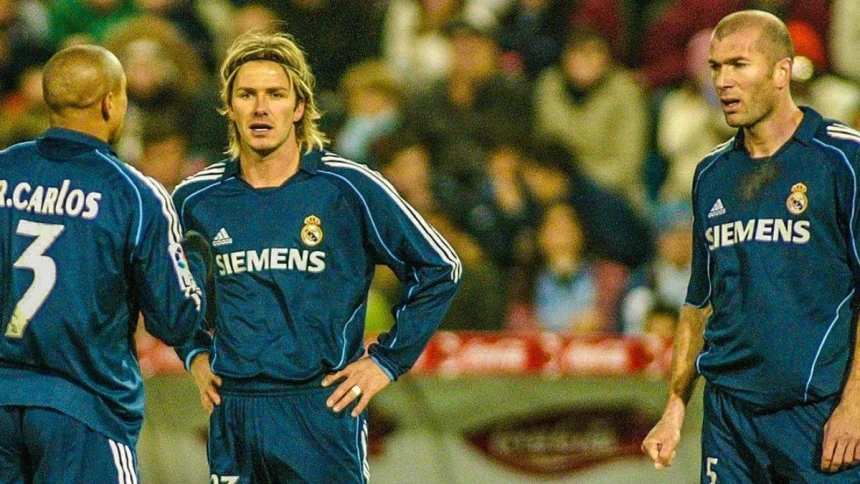
For many football fans around the world, La Liga’s identity was once inseparable from the Galácticos era. Global superstars, record-breaking transfers, and weekly spectacles defined Spanish football for years. The league became a destination for the world’s best players and a benchmark for elite football.
That era has now passed. La Liga is entering a phase shaped by youth development, financial control, and long-term planning. This feature examines whether the league’s new generation of players can realistically replace the influence, impact, and global appeal of the Galácticos era.
Understanding the Galácticos Era
The Galácticos era was built on star power. Clubs invested heavily in established global icons who delivered both sporting success and commercial growth.
This approach turned La Liga into a global product. Television audiences expanded rapidly, sponsorship values increased, and Spanish clubs dominated international conversations.
However, this model depended on financial flexibility and constant access to elite talent, conditions that no longer exist in the same form.
Read More

Why the Galácticos Model Is No Longer Sustainable
Modern football economics have changed dramatically. Stricter financial regulations and increased competition from other leagues have limited spending freedom. La Liga’s salary cap system prioritises sustainability over spectacle. Clubs can no longer absorb financial risks to secure global stars.
This shift has forced a move away from short-term glamour toward long-term squad planning.

The Rise of a New Generation in La Liga
La Liga’s new generation is defined by youth, versatility, and development potential. Clubs are investing heavily in academies and scouting rather than expensive transfers.
Young players are being trusted with key roles earlier in their careers. This creates opportunities for growth but also places pressure on development pathways. The focus is now on building teams rather than assembling collections of stars.
Youth Academies as the Backbone of the Future
Spanish academies have always been strong, but they are now central to survival and success. Clubs rely on homegrown players to maintain competitive squads within financial limits.
Academy graduates provide technical quality and tactical intelligence shaped by Spanish football culture. This system produces consistent talent, even if it does not always create instant global icons.
Read More

Global Recognition Versus Footballing Quality
One of the biggest challenges facing La Liga is the difference between quality and recognition. Many young players perform at high levels but lack global visibility.
In the Galácticos era, star status often preceded performance. Today, recognition must be earned gradually through consistency. This slower process affects the league’s international appeal but strengthens its footballing foundation.
European Competition as a Measuring Stick
European tournaments play a key role in determining whether La Liga’s new generation can match the past. Strong performances against elite opponents increase credibility and exposure. Success in these competitions helps transform promising players into recognised stars. However, limited squad depth and financial restrictions remain obstacles at the highest level.
Tactical Maturity of the New Generation
The modern La Liga player is tactically flexible. Young players are trained to adapt to different systems and game situations.
This tactical maturity allows teams to compete collectively even without dominant individuals. While this approach may lack the spectacle of past eras, it often produces balanced and disciplined teams.
Fan Expectations in a Post Galácticos Era
Supporters have had to adjust their expectations. Success is now measured through development, competitiveness, and sustainability rather than star signings. Local fan engagement often remains strong, but global audiences are more difficult to capture without familiar names.
Managing these expectations is a key challenge for clubs and league officials.
Can Collective Identity Replace Individual Stardom
La Liga is attempting to shift its narrative from individual brilliance to collective identity. Rivalries, tactical quality, and youth development are now central themes.
This model values team success over personal fame. While it may not replicate the commercial impact of the Galácticos era, it offers long-term stability. The question is whether this identity can resonate globally in the same way.
The Risk of Talent Drain
One major threat to the new generation is early player departures. Wealthier leagues often attract La Liga’s best young talents before they reach peak recognition. This makes it harder for the league to build long-term stars who define an era. Retention strategies remain limited by financial constraints.
Measuring Success Beyond Star Power
Replacing the Galácticos era does not necessarily mean recreating it. Success can be defined by competitive balance, financial health, and consistent European presence. La Liga’s future may be less glamorous but more resilient.
This represents a philosophical shift rather than a decline. La Liga’s new generation is unlikely to replicate the global spectacle of the Galácticos era. However, it offers a different kind of strength based on development, discipline, and sustainability.
The league is redefining success in modern football. Whether this approach can build new global icons over time will shape La Liga’s long-term legacy.
FAQs
Q1. What was the Galácticos era in La Liga?
It was a period defined by signing global superstars who drove both sporting and commercial success.
Q2. Why has La Liga moved away from that model?
Financial regulations and competition from other leagues made it unsustainable.
Q3. Who are La Liga’s new generation of players?
Young, versatile players developed through academies and smart recruitment.
Q4. Can this generation match past global appeal?
Football quality can match the past, but global recognition takes longer to build.
Q5. Is La Liga weaker without superstars?
Not weaker, but different. The focus is now on collective strength and sustainability.
Also Read- Rebuild Or Evolve: How Premier League Clubs Shape Their Long-Term Identity