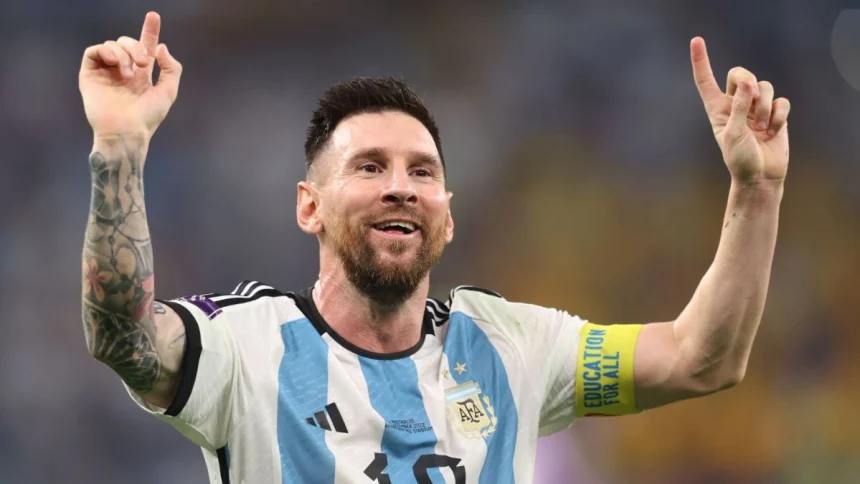
Lionel Messi’s Leadership Evolution: From Silent Genius to Argentina’s Emotional Anchor
Lionel Messi’s leadership was never loud, commanding, or theatrical. From the beginning of his career, he influenced games through skill and consistency rather than words. This quiet approach often caused misunderstanding, especially when compared to more vocal captains and national icons.
Over time, however, Messi’s leadership evolved. Shaped by repeated failures, criticism, and personal responsibility, he developed into an emotional anchor for Argentina. His journey from silent genius to trusted captain reflects how leadership in football can take many forms.
Leading Without Words in His Early Career
At Barcelona, Messi was not expected to lead vocally. The dressing room was controlled by experienced figures such as Carles Puyol, Xavi, and Andrés Iniesta. Within this environment, Messi focused solely on football performance.
His leadership came through example. He trained consistently, performed under pressure, and delivered in decisive moments. Teammates followed him not because he demanded authority, but because his actions set the standard.
This style worked effectively at club level, where structure and leadership were already established.
Read More

The Weight of Argentina’s Captaincy
Messi became captain of Argentina in 2011, a role that carried enormous emotional and cultural expectations. Unlike Barcelona, the national team lacked long-term stability, and leadership responsibility fell heavily on him.
Criticism followed quickly. Many questioned whether a quiet personality could lead a football-obsessed nation. Comparisons with Diego Maradona intensified scrutiny, placing Messi under pressure that went beyond football performance.
Despite this, Messi accepted the responsibility, even as results failed to meet expectations.

Leadership Under Repeated Defeats
Between 2007 and 2016, Argentina lost several major finals. Messi stood at the centre of each defeat, absorbing both blame and disappointment.
The 2016 Copa América final against Chile was particularly painful. After another penalty shootout loss, Messi missed his penalty and later announced his retirement from international football. This decision reflected emotional exhaustion rather than lack of commitment.
That moment marked a turning point. Leadership, for Messi, was no longer just about playing well. It became about handling failure and responsibility.
A New Emotional Presence After His Return
When Messi returned to the Argentina team, his approach began to change. He remained reserved, but became more expressive on the pitch.
He communicated more with teammates, protected younger players, and engaged more actively during difficult moments. Rather than carrying pressure alone, he helped create unity within the squad.
This shift did not change his personality. It expanded it.
Read More
Copa América 2021: Leadership Rewarded
The 2021 Copa América represented the first real reward for Messi’s leadership evolution. As captain, he guided Argentina through the tournament with consistency and calmness.
Although he did not score in the final against Brazil, Messi finished the tournament as top scorer and top assist provider. Argentina’s 1–0 victory at the Maracanã ended a long trophy drought.
More importantly, it changed how Messi was perceived. His leadership was no longer questioned. It was respected.
World Cup 2022: Complete Captaincy
The 2022 World Cup showcased Messi as a complete leader. He led Argentina tactically, emotionally, and psychologically throughout the tournament.
In the final, he scored two goals and converted his penalty in the shootout. Beyond goals, he guided the team through pressure, setbacks, and momentum swings.
Teammates consistently highlighted his calming influence and belief. Messi was no longer carrying the team alone. He was carrying them together.
Leadership in the Later Club Career
In the later stages of his career at Paris Saint-Germain and Inter Miami, Messi adopted a mentor role. He guided younger players through decision-making and example rather than authority.
He did not seek to dominate leadership structures. Respect came naturally, built on experience and consistency. This mature leadership style reflected confidence rather than obligation.
Redefining What Leadership Looks Like
Messi’s journey challenges traditional ideas of leadership in football. He did not become louder. He became stronger emotionally.
His leadership grew through adversity, not instant success. It matched his personality rather than fighting against it. This evolution showed that captains do not need to conform to one model to be effective.
Messi led by being himself, and in doing so, became one of football’s most trusted leaders.
Lionel Messi’s leadership evolution is a story of patience, resilience, and growth. From a silent genius to Argentina’s emotional anchor, his journey proves that leadership is not about volume, but responsibility.
Through failure and triumph, Messi learned how to lead in a way that suited both his character and his team. In the end, his leadership became as defining as his football ability, completing one of the most remarkable careers the sport has ever seen.
Also Read- Filipe Luís Signs New Flamengo Contract: Club Confirms Long-Term Deal Until 2027