MotoGP fans, there’s a big buzz going around about a possible major change in the 2026 season. The subject? MotoGP leg wings on MotoGP bikes might be banned. If you’ve been following the sport, you know leg wings have stirred up plenty of debates. So, what’s the full story behind this possible ban, and why is it happening? Let’s find out.
Why Are MotoGP Leg Wings A Problem?
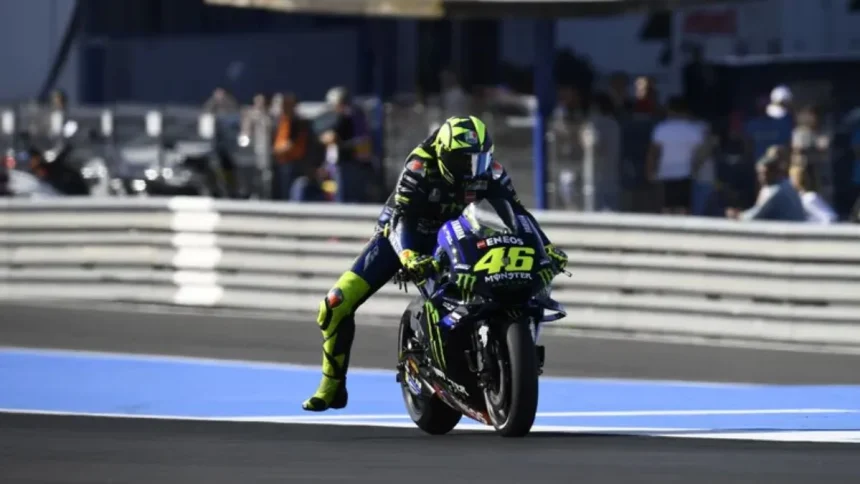
MotoGP leg wings are aerodynamic appendages attached to the sides of the MotoGP bikes. They might look small, but their role is huge. These wings help improve downforce, meaning the bike sticks better to the track during high-speed turns. That extra grip can give riders an edge as they lean in and take corners at jaw-dropping speeds. But while leg wings help performance, they have also raised safety concerns.
In recent seasons, some riders and teams have voiced worries about the wings’ size and sharp edges. In close racing situations, these wings could cause damage if bikes touch or crash. The risk isn’t just about bike damage, it’s about rider safety too. Crashes with protruding parts can lead to serious injuries. The MotoGP governing body, FIM (Fédération Internationale de Motocyclisme), has to balance innovation and safety, and that’s where the ban talks come in.
Are MotoGP Leg Wings Getting Banned?
Sources close to MotoGP suggest that FIM is seriously considering banning MotoGP leg wings starting in 2026. The reasoning? The wings pose safety risks that outweigh their benefits. And there’s also a push to keep the sport visually cleaner. Fans and officials want the bikes to look more streamlined without oversized fairings and attachments.
So, What Does This Ban Mean For Teams And Riders?
It’s going to shake things up. Teams will have to rethink their bike designs because these wings affect how bikes perform in corners, stability, and speed. Engineers will go back to the drawing board, trying to find new ways to generate downforce without leg wings. That’s a challenge, but also an opportunity for fresh innovation.

Riders will feel the difference on race days, too. The way a bike handles might change, and they’ll need to adapt their riding style. Some riders who excel in tight, twisty circuits might find this ban impacts their performance more than others.
To wrap up, the possible ban on MotoGP leg wings in 2026 is driven by safety concerns and a desire for cleaner bike design. While it means change and adaptation, the spirit of competition and innovation in MotoGP will surely keep the sport thrilling. Stay tuned as the official decisions come out, because the world of MotoGP never stays still for long.
Also read: Types Of F1 Tracks Explained: A Comprehensive Guide To Formula 1 Circuits